IDM Phone_DUP Telephone Channel Mutual Backup
1-to-2 automatic optimal selection, dual criteria of ringing and incoming number, cascading expansion
Some important remote dispatch and control sites (such as subways, airports, and military) often require high system reliability and frequently use services over more than 2 transmission networks (for example, leasing channels from China Unicom and China Mobile separately, or mutual backup between satellite and terrestrial networks).
The IDM Phone_DUP Telephone Channel Mutual Backup Switching Equipment is a telephone channel optimal selection and switching device developed by Beijing Ruiguang Jiyuan Digital Technology Co., Ltd. It is a professional telephone channel mutual backup switching device, used to split one telephone channel into 2 transmission paths, automatically detect the link quality of these transmission channels at the remote end, and then automatically select 1 path with normal transmission.
Remote dispatch and control sites such as subway dispatch, airport ground dispatch, and military remote command have high requirements for system reliability, and often place the same service on 2 or more transmission networks, for example, leasing channels from China Unicom and China Mobile respectively, or using satellite and terrestrial networks for mutual backup. Subscriber terminals need to be able to automatically select a normal transmission network and channel. As a professional command and dispatch system manufacturer, Raytrans can provide subway dispatch telephone channel mutual backup solutions, military emergency communications vehicle solutions, and government private network optical fiber communication solutions for such scenarios, building highly reliable communication links based on SDH transmission networks and SDH equipment, and meeting the dispatch requirements of different users through the SDH equipment manufacturer solutions in the product showcase.
Key Specifications at a Glance: 1-to-2 mutual backup · 3U dual power supply redundancy · automatic network management switchover · manual switchover priority · cascading expansion for more channels · channel-associated signaling integrity detection
How Does the Telephone Channel Mutual Backup Switching Equipment Reduce Dispatch Dropouts Caused by Link Failures?
Splitting one telephone channel into 2 paths and automatically selecting the optimal one at the receiving end is a common practice for remote dispatch sites to prevent dispatch voice from being interrupted along with a single link. The splitting, detection, and optimal selection of the IDM Phone_DUP are all completed within the device, without requiring subscriber terminals to make judgments themselves. As a professional SDH equipment manufacturer, Raytrans has accumulated rich experience in SDH transmission and telephone channel protection. The device can be deployed together with SDH equipment to provide reliable link redundancy for dispatch voice.
- Splitting: one telephone channel is split into 2 paths after entering the device and sent to 2 different transmission networks respectively; when more than 3 paths are required, cascading multiple devices expands more paths.
- Detection: the remote end continuously detects the transmission link quality of these transmission channels, identifying both line disconnection and cases where the line is still online but the channel-associated signaling is already incomplete.
- Optimal selection: the 1 path with normal detection results is selected as the output, and subscriber terminals remain connected to the available channel without the need to change wiring on site.
The TDM series products support multi-path transmission and active optimal path selection transmission for E1 channels, telephone channels, pure audio channels, and RS232/RS485 channels. The same optimal selection approach can cover multi-path bearing for both telephone and data. In engineering configuration, a 1-to-2 telephone channel mutual backup device is generally installed on the subscriber interface side; after services are accessed from the switch or telephone side, the device completes splitting and optimal selection. In the government private network optical fiber communication solution, the device can be embedded as a telephone channel mutual backup switching device into existing optical transmission links to improve the continuity of private network dispatch.
Remote stations can also use the telephone channel mutual backup switching device as telephone line detection equipment, reporting channel status such as ringing and incoming number in the manner of an IoT terminal. Unattended sites therefore do not need to wait for user fault reports to learn that a channel has degraded.
What Does the Telephone Channel Mutual Backup Switching Equipment Rely on to Judge Telephone Channel Integrity?
The IDM Phone_DUP Telephone Channel Mutual Backup Switching Equipment judges whether a telephone channel is available from two levels: channel-associated signaling and voice content. The criteria are taken directly from the ringing information and calling number of the voice channel, and the interpretation results also serve as the switching basis for automatic optimal selection.
- Ringing monitoring: monitor the integrity of the channel-associated signaling system by monitoring ringing information; if signaling cannot be delivered normally, this telephone channel is unavailable.
- Calling number detection: detect the integrity of the voice channel by detecting the calling number; if the number cannot be delivered normally, there is a problem with the voice path.
- Result interpretation: if either of the two criteria is abnormal, the path is judged unavailable, and the other normal channel continues to carry the call.
Channel-associated signaling integrity detection addresses hidden failures such as "the line is still connected but the service is already down," which cannot be found by looking only at transmission alarms. The telephone channel automatic optimal selection and switching device combines the two criteria, identifying both optical fiber or cable disconnection and call failures caused by equipment failure or signaling loss, reducing repeated switchovers caused by misjudgment of the switching device. In the subway dispatch telephone channel mutual backup solution, this dual-criteria mechanism can effectively avoid dispatch call interruption caused by hidden degradation of a single link.
How Do Automatic Switchover, Network Management Switchover, and Manual Switchover Work Together?
The device supports three modes: automatic switchover, network management switchover, and manual switchover. The mode indicator light on the front panel indicates the current mode. The mode can be set by network management or controlled by the mode switching button on the front panel, and manual forced switchover takes priority over automatic switchover.
- Automatic switchover: automatically select the path with normal transmission according to preset switching conditions; daily operation requires no intervention from on-duty personnel.
- Network management switchover: monitoring and switchover of telephone channels are implemented through Ethernet network management; switching conditions are set by network management and can be delivered remotely according to channel status.
- Manual switchover: manual forced switchover can be performed through network management or the DIP switch on the device; manual switchover has higher priority, making it convenient to directly designate a channel on site according to the command relationship.
The division of labor among the three modes is "automatic in normal times, remotely changeable, on-site overridable," and the mode indicator light shows the current mode directly on the front panel. When on-duty personnel see the automatic switchover indicator light on, they know the device is performing optimal selection by itself; when manual intervention is needed, first switch the mode to manual using the front panel mode switching button or network management, and then perform forced switchover.
What Scenarios Are the Centralized 3U and Desktop Devices Respectively Suitable For?
The centralized device has a 3U architecture, a unified Ethernet network management card, and dual power cards in mutual backup. Channel monitoring and switchover can be implemented through network management, and switching conditions are set by network management. It is suitable for deployment with centralized management in the equipment room and unified duty for multiple telephone channels.
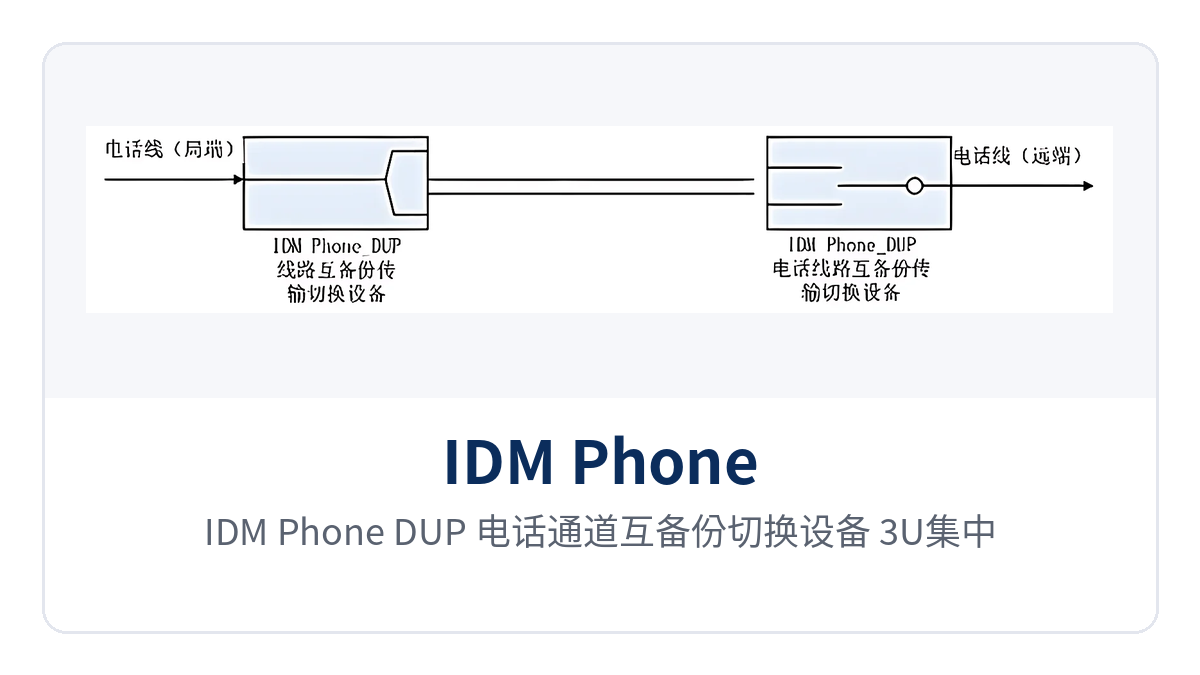
Figure 1: Close-up of the front panel mode indicator lights and dual power cards of the 3U centralized chassis of the IDM Phone_DUP Telephone Channel Mutual Backup Switching Equipment
The 3U centralized telephone mutual backup device consolidates the splitting and optimal selection of multiple telephone channels into the same chassis. Dual power cards in mutual backup prevent the power supply from becoming a new single point, while the network management card centralizes the setting of switching conditions and viewing of channel status, so on-duty personnel do not need to check each device on site. For scenarios requiring rapid deployment and centralized management, such as the military emergency communications vehicle solution, the 3U centralized form factor facilitates unified management of multiple channels within limited cabinet space.
The desktop device provides 4 sets of phone mutual backup channel selectors. The 4-bit DIP switch on the device controls manual switchover of channels 1 to 4 respectively, and manual switchover is possible only when the manual switching indicator light is illuminated. It is suitable for sites with few locations that require on the spot operation and rapid verification.
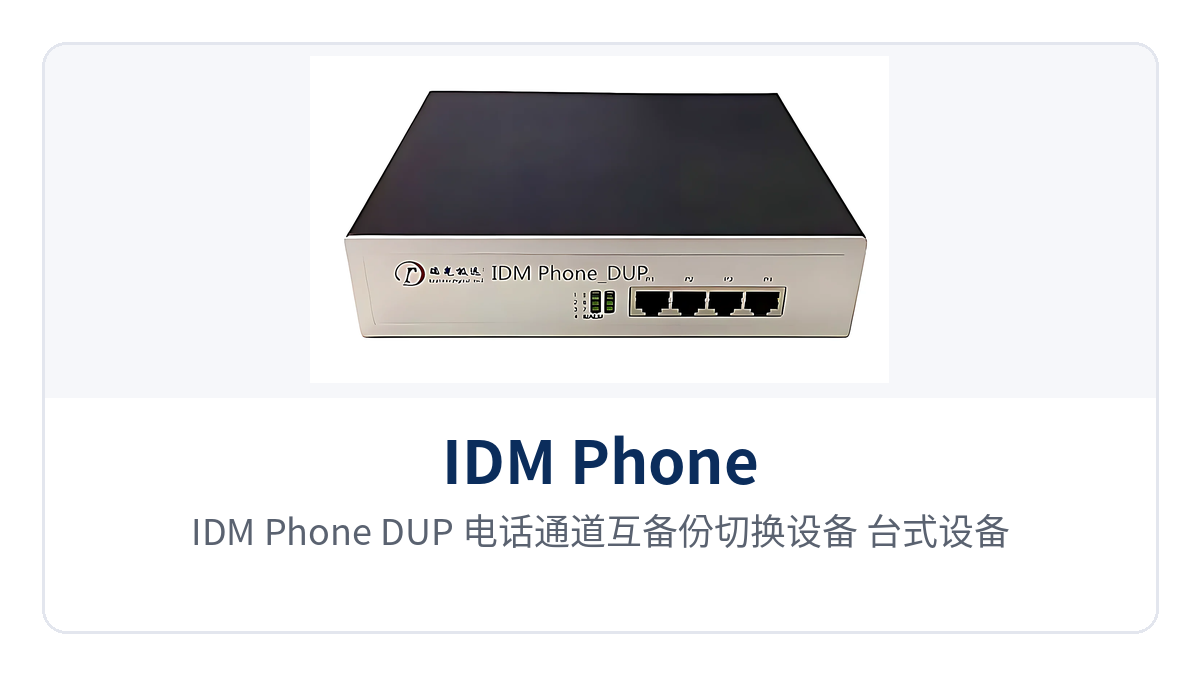
Figure 2: Close-up of the 4-bit DIP switch and channel indicator lights of the desktop device of the IDM Phone_DUP Telephone Channel Mutual Backup Switching Equipment
Form factor selection depends on two things: number of channels and O&M approach. If channels are concentrated in the equipment room and under unified network management duty, choose the 3U centralized form factor; if there are only a few sites and direct operation on the device front panel or link disconnection verification is required, the desktop device is more convenient.
What Are the Main Functions?
The functions of the Telephone Channel Mutual Backup Switching Equipment revolve around four main lines: splitting, detection, optimal selection, and indication. The functions and their purposes are listed in the table below for checking the configuration according to on-site dispatch services and O&M approach. During verification, check item by item according to service interfaces and operation modes; any missing item is configuration content that needs to be confirmed with the manufacturer.
| Function | Description |
|---|---|
| 1-to-2 transmission | Split one telephone channel into 2 paths and send them to 2 different transmission networks respectively; cascading expands to more paths |
| Remote link detection | Automatically detect the transmission link quality of these transmission channels at the remote end, providing a basis for optimal selection |
| Channel-associated signaling monitoring | Monitor the integrity of the channel-associated signaling system by monitoring ringing information, identifying cases where the line is still connected but signaling is lost |
| Voice channel integrity detection | Judge the integrity of the voice channel by detecting the calling number, identifying voice path abnormalities |
| Automatic optimal selection and switchover | Automatically select 1 path with normal transmission, reducing service interruption caused by transmission path failure or equipment failure |
| Network management switchover | Monitoring and switchover of telephone channels are completed through Ethernet network management; switching conditions are set by network management |
| Manual forced switchover | Manual forced switchover can be performed through network management or the DIP switch; manual switchover has higher priority |
| Mode indication and control | The three modes of automatic, network management, and manual are indicated by the front panel mode indicator lights and can also be controlled by the front panel mode switching button |
| Line detection reporting | Can serve as telephone line detection equipment at the remote end, reporting monitoring data in the manner of an IoT terminal |
Key Specifications and Performance Specifications
The form factor, splitting capability, and switchover modes of the IDM Phone_DUP are listed item by item in the table below; the parameter basis is subject to the product documentation. Power supply, power consumption, and mechanical dimensions not listed in the table are subject to the manufacturer's technical documentation. The items in the table are used for solution configuration and on-site verification, and do not serve as the basis for acceptance upon delivery.
| Item | Parameter/Specification | Description/Applicable Conditions |
|---|---|---|
| Device model | IDM Phone_DUP | Telephone channel mutual backup switching equipment |
| Splitting capability | One telephone channel split into 2 transmission paths; more paths supported after cascading | Configure according to the number of transmission networks simultaneously carrying services on site |
| Detection criteria | Ringing information (channel-associated signaling integrity), calling number (voice channel integrity) | If either criterion is abnormal, the path is judged unavailable |
| Centralized form factor | 3U architecture, unified Ethernet network management card, dual power cards in mutual backup | Suitable for centralized deployment in the equipment room and unified duty for multiple channels |
| Desktop form factor | 4 sets of phone mutual backup channel selectors | The 4-bit DIP switch controls manual switchover of channels 1 to 4 respectively; manual switchover is possible only when the manual switching indicator light is illuminated |
| Switchover modes | Automatic switchover, network management switchover, manual switchover | Manual switchover takes priority over automatic switchover |
| Network management capability | Channel monitoring and switchover are implemented through Ethernet network management; switching conditions are set by network management | The centralized form factor is managed uniformly through the network management card |
| Applicable services | E1 channels, telephone channels, pure audio channels, RS232/RS485 channels | The TDM series supports multi-path transmission and active optimal path selection transmission |
| Applicable sites | Subway dispatch, airport ground dispatch, military remote command, multi-carrier link leasing organizations | Remote dispatch and control sites and unattended remote stations |
| Power supply and power consumption | Not yet recorded in the knowledge base | Subject to the manufacturer's technical documentation |
As a command and dispatch system manufacturer, Raytrans provides complete solutions around SDH transmission, product showcase, and dispatch communications. The IDM Phone_DUP Telephone Channel Mutual Backup Switching Equipment can coordinate networking with SDH equipment and command and dispatch systems, serving various application scenarios such as government private network optical fiber communication solutions, subway dispatch telephone channel mutual backup solutions, and military emergency communications vehicle solutions.
Differentiation Point
| Differentiation Point | Customer Value |
|---|---|
| 1-to-2 mutual backup: one telephone channel split into 2 transmission paths | One telephone channel split into 2 transmission paths; cascading expands to more paths; automatic optimal selection upon link failure; critical circuits with services uninterrupted |
| 3U dual power supply redundancy: 3U centralized dual power cards in mutual backup | Dual power cards in mutual backup with a unified Ethernet network management card; switching conditions settable via network management; neither power supply nor monitoring is a single point |
| Automatic network management switchover | Channel monitoring and switchover are completed through Ethernet network management; switching conditions are set by network management; automatic optimal selection requires no waiting for personnel to arrive on site |
| Manual switchover priority | Manual forced switchover through network management or the DIP switch takes priority over automatic switchover; the front panel mode indicator lights are intuitive and visible |
Typical Application Scenarios
The reason remote dispatch and control sites need such telephone channel mutual backup switching equipment is that the services themselves must not fail along with a single link; delivering the same telephone channel over two links and automatically selecting the optimal one at the receiving end is a cost-controllable approach with little construction work. During networking, one device is configured at each end: the splitting side sends out 2 paths, the optimal selection side receives 1 path, and the two hops in between traverse different transmission networks.
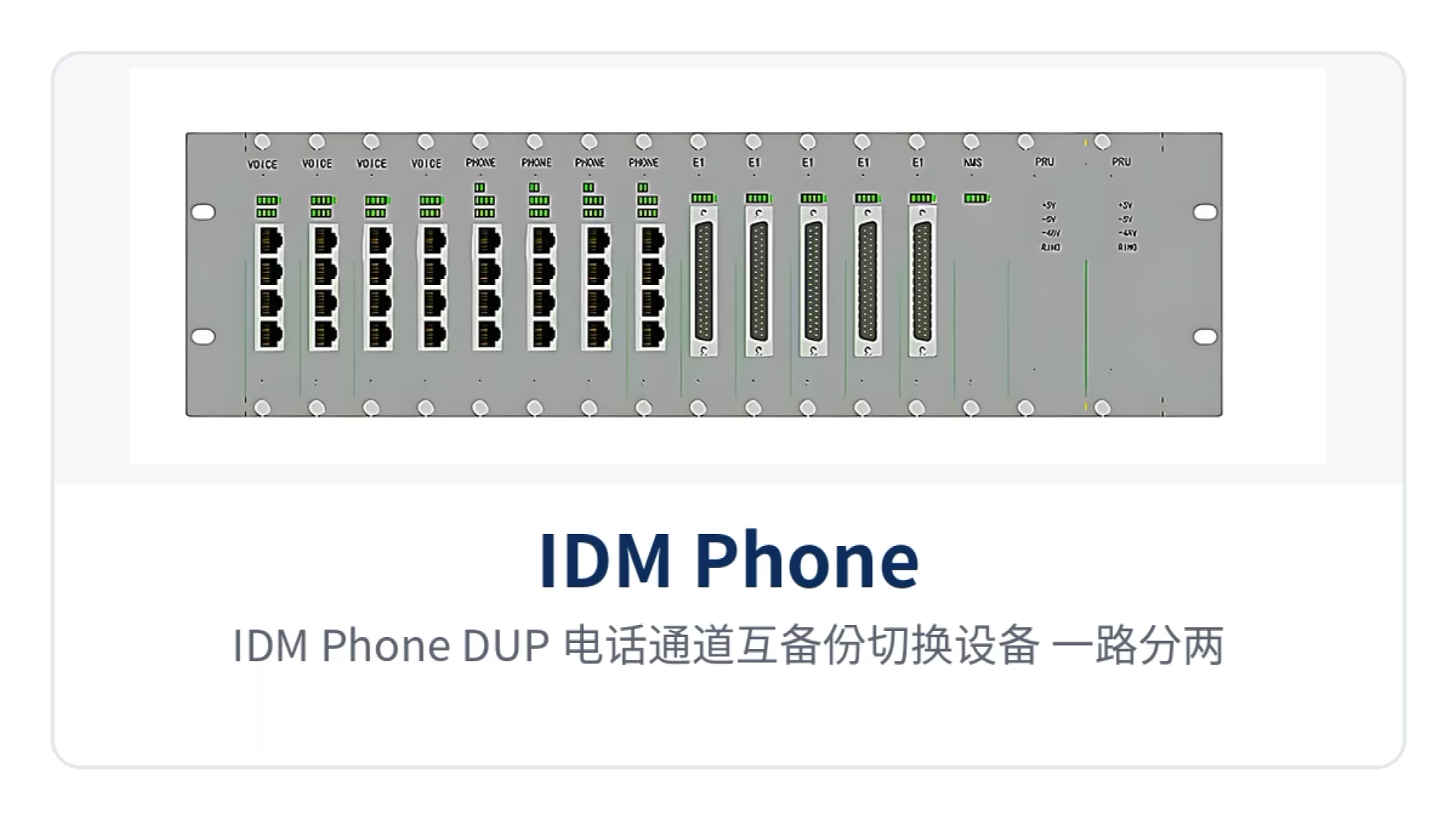
Figure 3: IDM Phone_DUP Telephone Channel Mutual Backup Switching Device One-to-Two Telephone Channel Mutual Backup Networking Topology Diagram
Subway Dispatch Private Network
Subway dispatch carries the voice of train dispatch, power dispatch and environment control dispatch, and multi-network redundancy is a standard requirement. Subways often lease channels from two carriers at the same time, sending dispatch telephones to stations and depots over two networks respectively; the telephone channel mutual backup switching device splits one dispatch telephone into 2 paths at the station side, and the remote end determines which path is available based on ringing information and the calling number and automatically selects the preferred one, forming a typical subway dispatch telephone channel mutual backup solution.
The centralized 3U device is installed in the communications equipment room, with dual power cards in mutual backup and switchover conditions set uniformly through the network management. On-duty personnel can view the status of each telephone channel on the network management system. For lines with many stations that require unified management, carrying multiple channels on one centralized device makes routine maintenance easier.
Airport Ground Dispatch
Airport ground dispatch covers telephones and PA for job roles such as apron guidance, passenger services and ground support, and interruption of any channel affects the pace of flight support. Airports usually have both a self-built transmission network and leased channels, and in some scenarios satellite links are used as a supplement; the telephone channel mutual backup switching device feeds the same dispatch telephone into two links at the same time, and the remote end automatically detects and selects the normal path for output.
Sites with higher requirements can cascade multiple devices to expand more paths and retain a manual forced switchover entry, so that on-duty personnel can directly designate the path when disputes arise. The switchover process requires no on-site wiring changes, and duty operators can see channel status on the network management system.
Military Remote Command
Military remote command has high requirements for redundancy and controllability, and often uses mutual backup between satellite and terrestrial networks to carry command telephones. The telephone channel mutual backup switching device performs splitting and transmission at the command post side and preferred-path reception at the remote end, judging channel integrity based on the detection results of channel-associated signaling and the calling number, so that command calls can still be delivered when link quality changes. It can serve as the telephone channel assurance element in a military emergency communications vehicle solution.
The device supports three switchover modes: automatic, network management and manual. Manual forced switchover has higher priority, making it easy to directly designate channels according to the command relationship under combat readiness conditions; the desktop device has 4 built-in channel selectors, suitable for field or mobile command sites that require on-the-spot operation.