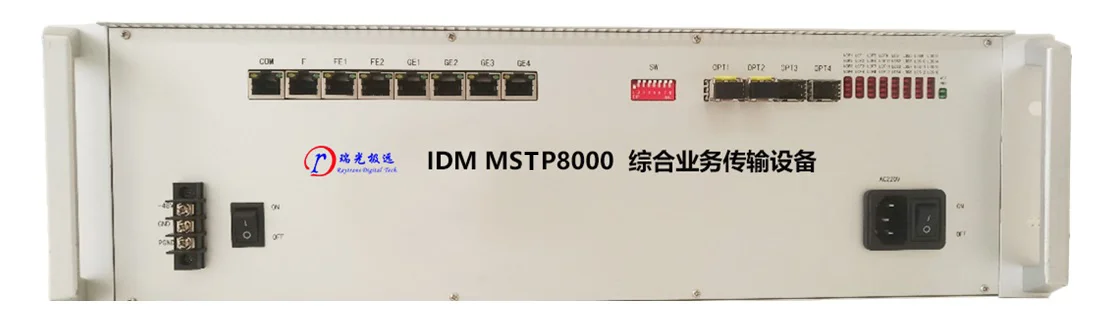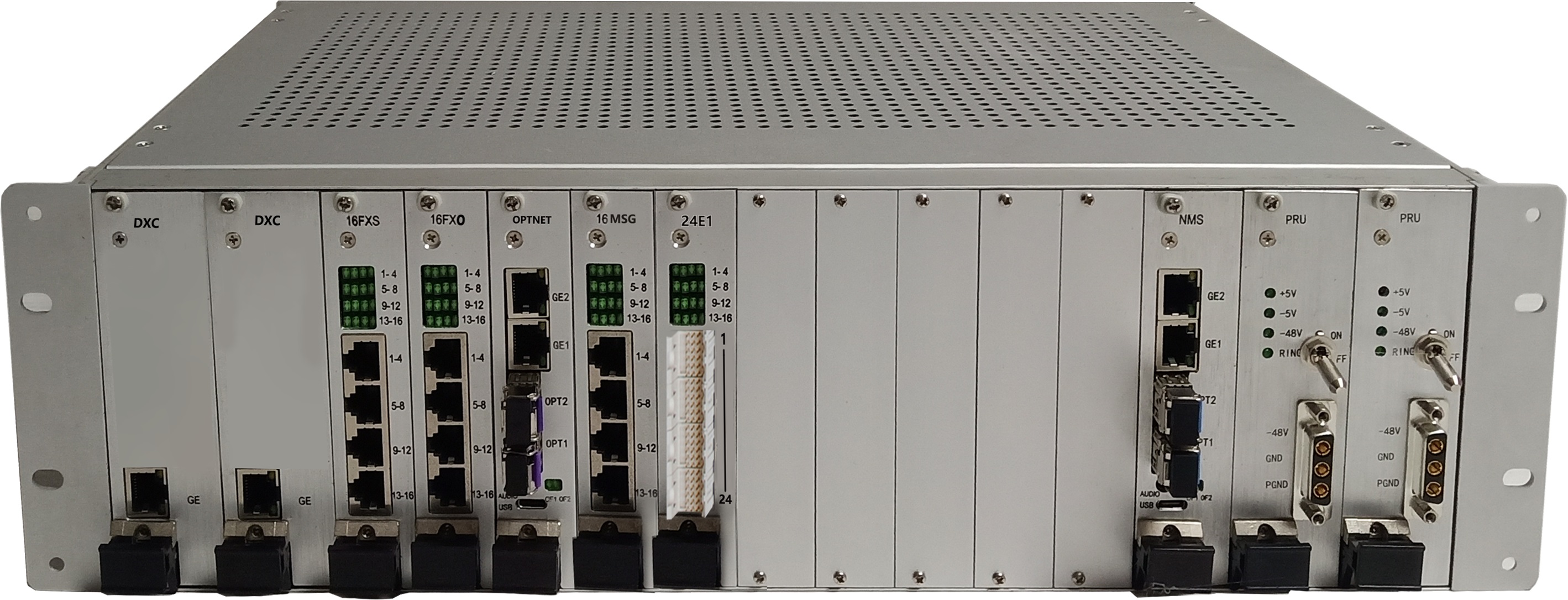
Multi-Service Optical Transmission System Dual-Network Hot Standby System
In critical remote dispatch and control environments (such as subways, airports, and military facilities), high system reliability is often required. Services are frequently transmitted over two or more networks, with user terminals capable of automatically selecting the normal transmission network.
1 Overview
In critical remote dispatch and control environments (such as subways, airports, and military facilities), high system reliability is often required. Services are frequently transmitted over two or more networks, and user terminals must be able to automatically select the normal transmission network and channel. This necessitates the provision of an automatic service switching system that offers high reliability, strong maintainability, and the ability to accept independent network management control from multiple networks, as well as automatic switching based on service interface status. Therefore, the switching equipment should minimize the use of active components to reduce its own failure rate, and must feature multi-network switching interlock functionality!
Common methods for enhancing system reliability include dual-interface (e.g., dual optical ports, or optical/electrical mutual backup) mutual backup, dual-card mutual backup, dual-unit mutual backup, and dual-network mutual backup. Dual-card mutual backup is typically used within equipment, such as dual power supply cards, dual main control cards, etc. Dual-unit mutual backup includes both cold standby and hot standby. Dual-network backup requires that each service be transmitted over two networks, with the receiving end selecting the optimal reception, usually accomplished through user interfaces connected to selection/switching equipment.
Common user service interfaces include Ethernet interfaces, narrowband data ports (such as V.24/V.35/RS422/RS485), audio interfaces, and telephone interfaces. The backup methods employed are dual-interface mutual backup, dual-card mutual backup, dual-unit mutual backup, and dual-network mutual backup. To achieve optimal selection switching and manual forced switching of user ports, different interface types require different handling approaches.
For dual-interface mutual backup, dual-card mutual backup, dual-unit mutual backup, and dual-network mutual backup, Ethernet interfaces typically employ simultaneous transmission and reception over both networks. When one network fails, the bandwidth is automatically reduced by half. For narrowband data switching, both networks typically transmit identical content simultaneously, and the receiving end automatically accepts data from the first network that has data. For these data channels, line bit errors are not considered; when bit errors occur on the line, switching commands are issued through the network management system. For voice channels, the signaling status is prioritized for judgment. When signaling statuses are identical, the presence of voice data is then checked. If both signaling and data are identical, the default network is preferred. Typically, these judgments are implemented on digital lines.
2 Backup Switching Mechanism
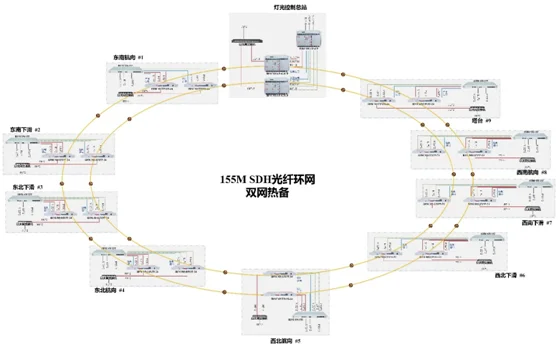
The dual-network hot standby switching equipment primarily provides hot standby protection for E1, telephone, and V.22 services. When a fault occurs in the primary ring equipment or when channel alarms are generated for services (E1, telephone, and V.22), the hot standby switching equipment automatically switches the corresponding channel services to the standby ring transmission equipment based on the monitored alarm status.
When the fault in the original primary equipment is resolved or the channel alarms for services (E1, telephone, and V.22) disappear, it can be placed on standby as backup equipment, ready for use during the next fault switching event.
FAQs
What are the features of SDH technology and MSTP products?
I. Development Directions of Next-Generation SDH Technology and Products Regarding the development direction of…
View answerWhat is the difference between PDH and SDH?
I. PDH PDH is the Plesiochronous Digital Hierarchy, which is divided into the European standard and the…
View answerWhat is an E1 line? What are the core knowledge points?
E1 Basics Frame Structure of the E1 Channel In an E1 channel, 8 bits form one timeslot (TS)…
View answerLow-Cost SDH Is an Inevitable Choice for Access Network Construction in the Near to Medium Term
The current status of metropolitan optical networks is that SDH/MSTP (DWDM) optical networks have become the mainstream…
View answerIntroduction to Ethernet Over SDH Technology
Interface specifications: On the SDH side, provides 1 x 155.52Mbps LVDS interface, supporting STM-1.
View answer