Multimedia Dispatch Terminal
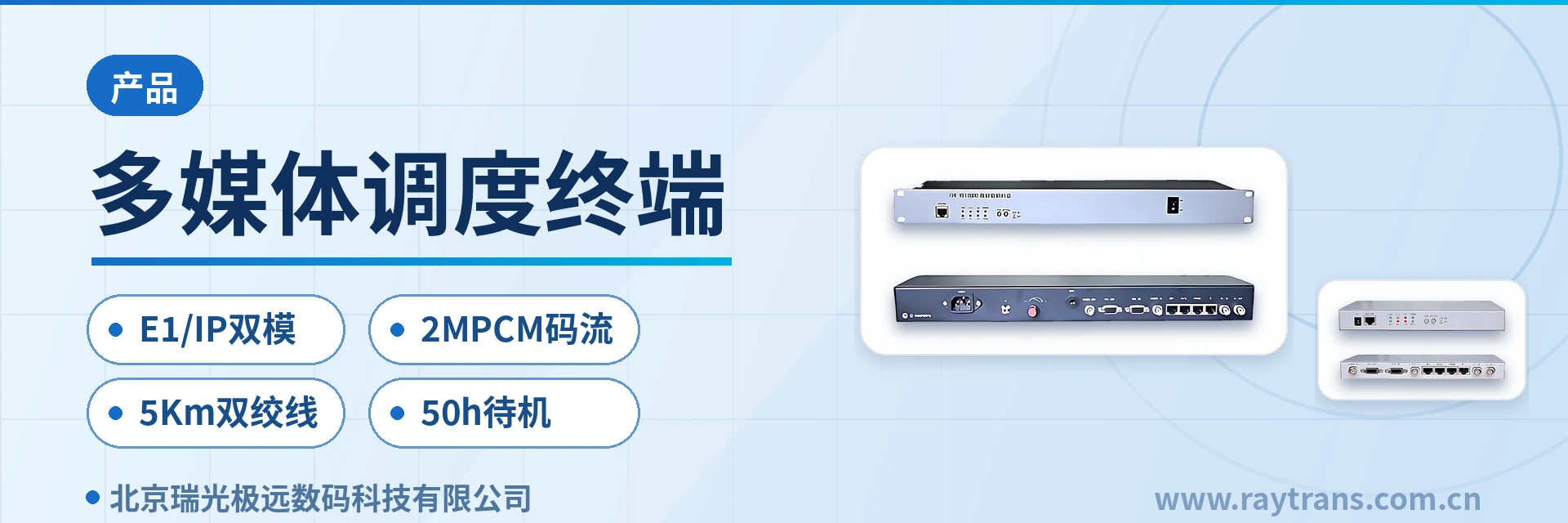
Full coverage of E1, IP, and dual-mode terminal forms, 5Km over telephone line, automatic answering and amplification, satellite
All terminals are either E1-based subscriber terminals or IP-based SIP softswitch terminals. E1-based terminals have dedicated transmission resources and stable performance, but their scalability is inflexible; IP-based devices are compatible with multiple bandwidths and can access a variety of new media services.
Multimedia dispatch terminals are the collective name for a class of dispatch communication terminals developed by Beijing Ruiguang Jiyuan Digital Technology Co., Ltd. They consist of audio and video terminals based on E1 transmission, SIP softswitch terminals based on IP transmission, automatic answering and amplification terminals connected to the subscriber telephone ports of a PBX/IP PBX, and wireless terminals such as portable, vehicle-mounted, radio set, and satellite terminals. As a professional command and dispatch system manufacturer, Raytrans builds multimedia dispatch terminals that extend the voice, video, command, and broadcast services of the command and dispatch center from the equipment room to private network nodes, rail stations, and uninhabited areas in the field, enabling efficient audio and video dispatching and product showcase.
Key specifications at a glance: E1/IP dual-mode · 2M PCM stream · 5Km twisted pair · 50h standby · H.264 audio and video compression · SIP softswitch access
Multimedia dispatch terminals fall into two major categories by transmission mode: E1 and IP
E1 and IP are the fundamental dividing line between the two types of dispatch terminals. During selection, first determine the transmission mode, then the terminal form. Terminals based on E1 transmission exclusively occupy transmission resources and offer stable performance, at the cost of inflexible scalability; devices based on IP transmission are compatible with multiple bandwidths and can access a variety of new media services.
The two types of terminals serve different parts of the same dispatch network: where private network and SDH resources are already in place, E1 terminals make full use of existing channels; where rapid capacity expansion and access to new multimedia services are required, IP terminals take over.
Audio and video terminals based on E1 transmission
Audio and video terminals based on E1 transmission are 19-inch 1U chassis devices designed around E1 transmission channels. They use H.264 encoding and provide instant image capture and image compression. The device compresses and mixes input video, audio, and data into a 2M-rate PCM stream, which is sent through the E1 interface to transmission equipment for long-distance transmission. Audio and video terminals based on E1 transmission meet the needs of systems such as remote video surveillance and video conferencing, improving the utilization of E1 line resources in private network/SDH networks.
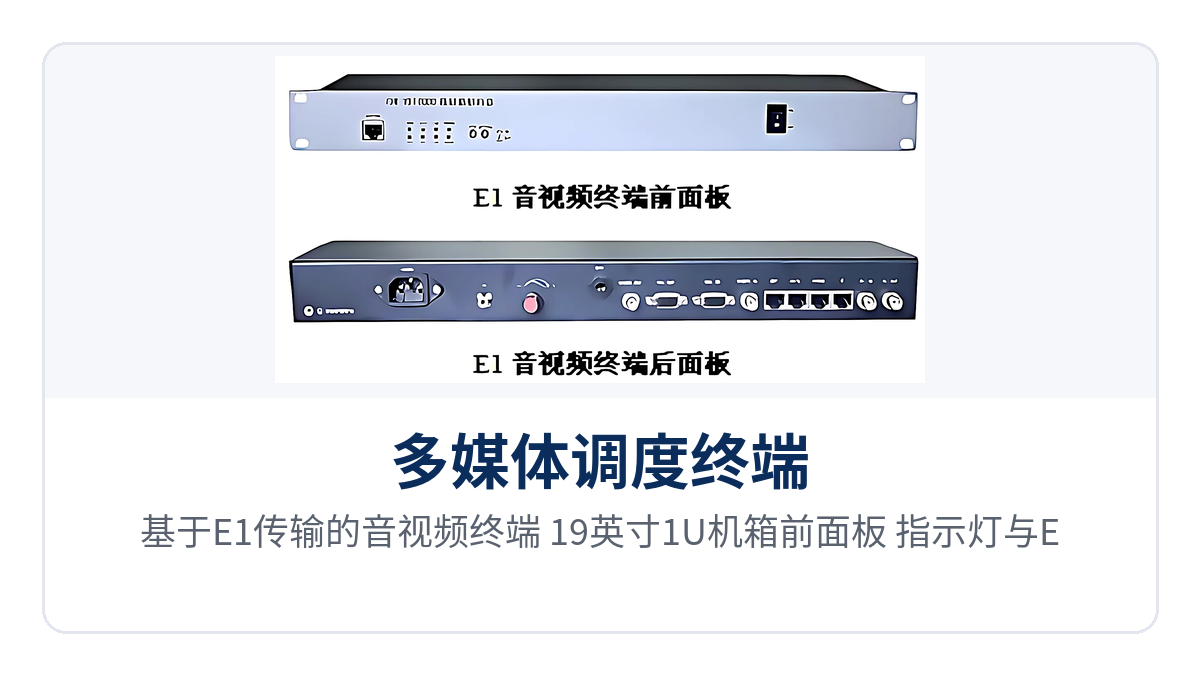
Figure 1: Close-up of the front panel, indicator LEDs, and E1 interface of the 19-inch 1U chassis of an audio and video terminal based on E1 transmission
Audio and video intercom terminals based on IP transmission
Audio and video intercom terminals based on IP transmission also use a 19-inch 1U chassis and are designed around IP transmission channels. They use H.264 encoding and provide instant image capture and image compression. The device compresses and mixes input video and data into a PCM stream at 2.048Mb/s, which is sent through the IP interface to transmission equipment for long-distance transmission, meeting the needs of systems such as remote video surveillance.
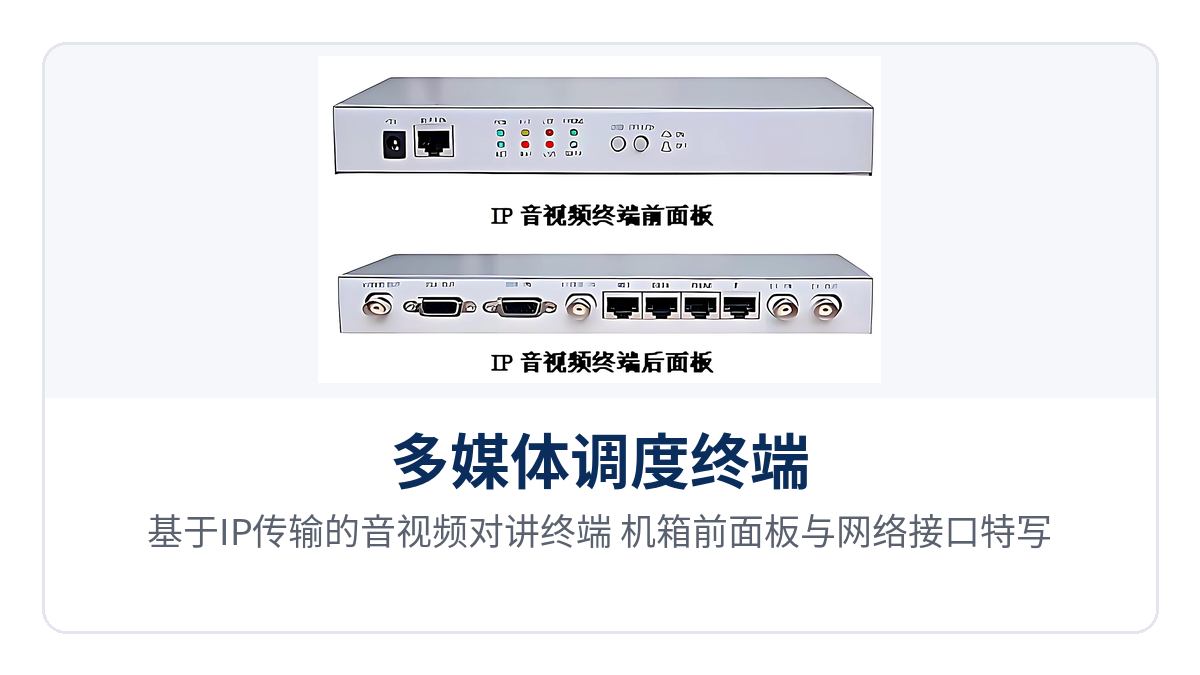
Figure 2: Close-up of the chassis front panel and network interface of an audio and video intercom terminal based on IP transmission
Telephone-side terminals: automatic answering, IP amplification, and visual terminals
Telephone-side terminals connect to the subscriber telephone interfaces of a PBX or IP PBX switch, replacing line modification with terminal-side modification. These terminals deliver broadcast, announcement, and visual calls to every telephone point, so on-site telephone lines do not need to be re-laid.
Automatic answering terminal
The automatic answering terminal can automatically go off-hook when a call rings multiple times without being answered, providing an emergency response function and enabling PA announcements; when receiving broadcast, multicast, or conference commands from the dispatching exchange, it automatically goes off-hook and performs amplified intercom. The automatic answering terminal is connected to the subscriber telephone interface of a PBX or IP PBX switch and can transmit up to 5Km. The two modes of automatic off-hook and command answering are selected at the factory, and existing telephones can also be upgraded.
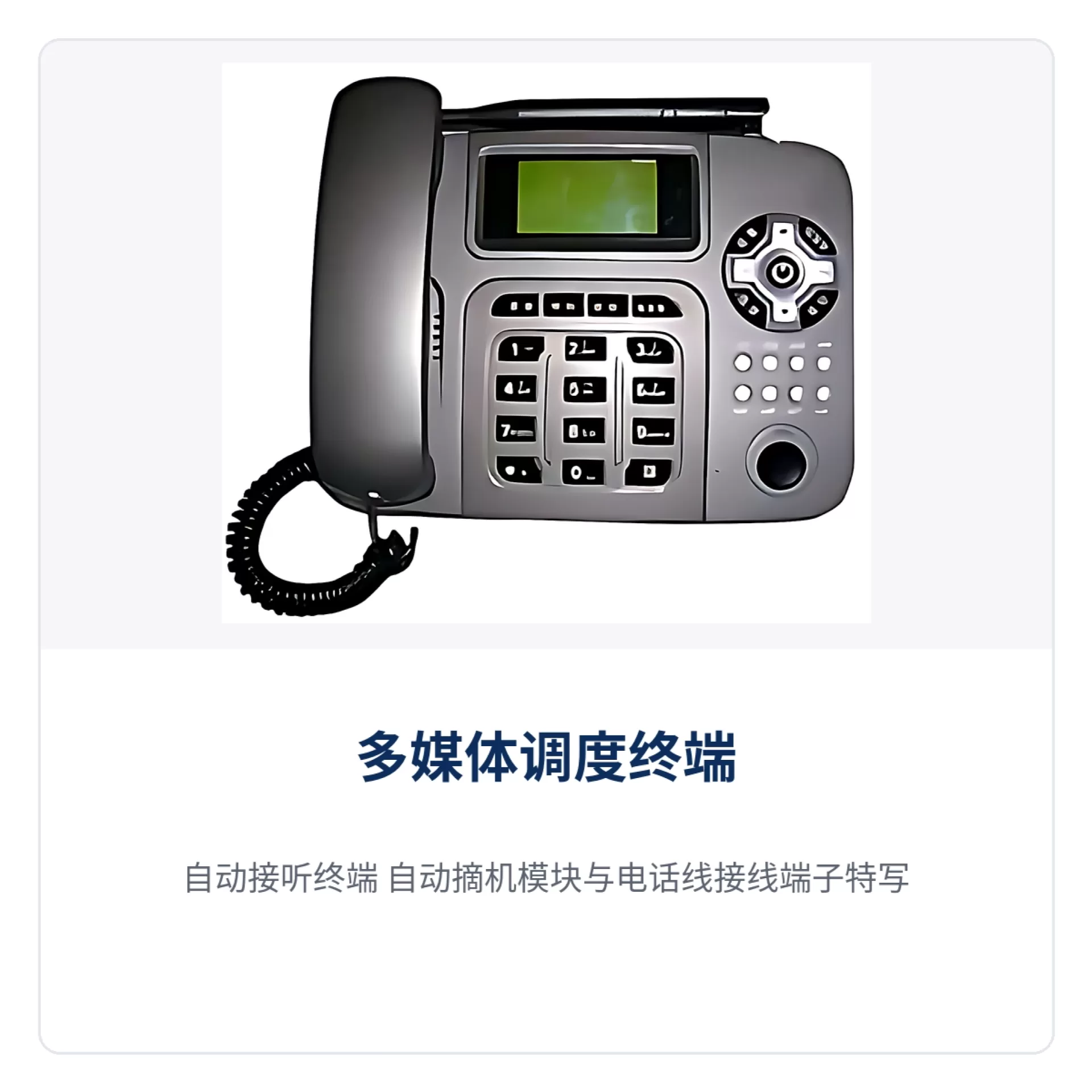
Figure 3: Close-up of the automatic off-hook module and telephone line terminals of an automatic answering terminal
IP amplification terminal
The IP amplification terminal is a broadcast power amplifier system based on IP addressing. It is used in the same way as an IP phone and can conveniently provide voice intercom over an IP network. Once connected to an existing IP network, it can serve as a broadcast amplification node, with no need to lay separate audio cables for broadcasting.
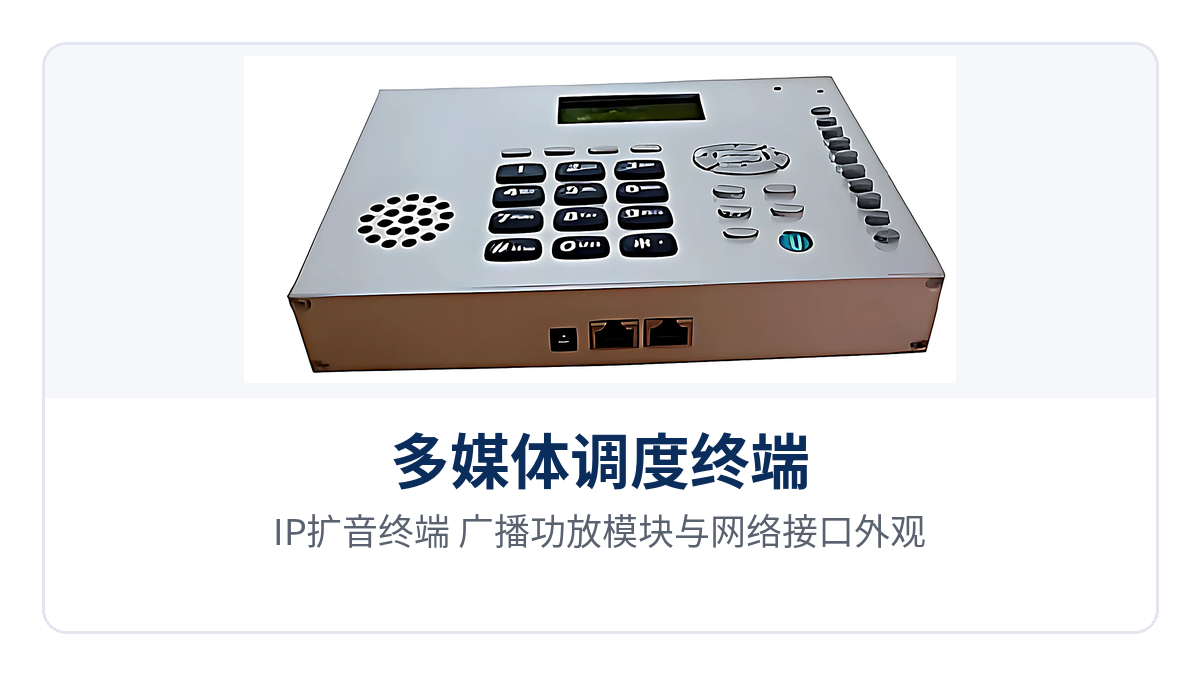
Figure 4: Appearance of the broadcast power amplifier module and network interface of an IP amplification terminal
Telephone amplification terminal
The telephone amplification terminal is a broadcast power amplifier system based on ordinary telephone lines. During system broadcasting, power is automatically supplied to the power amplifier module. The telephone amplification terminal can transmit 5 kilometers over ordinary twisted pair and is connected to the subscriber telephone interface of a PBX or IP PBX switch during use.
IP visual terminal
The IP visual terminal is a videophone based on IP addressing. It can interoperate with all visual terminals on the market that comply with softswitch protocols, and can also interoperate with mainstream soft video phone software on PCs.

Figure 5: Appearance of the videophone screen and camera of an IP visual terminal
Wireless and mobile terminals: portable, vehicle-mounted, radio set, and satellite
Wireless terminals extend the dispatch network to places wired connections cannot reach: the pockets of inspection personnel, vehicles on the move, sites that can only be reached by radio set, and uninhabited areas with no terrestrial network at all.
wifi trunking intercom multimedia portable terminal
The wifi trunking intercom multimedia portable terminal is a portable multimedia terminal based on wifi, providing functions such as voice intercom, audio and video intercom, command confirmation, and SMS sending and receiving. The terminal uses voice encoding and decoding, digital error correction, and echo processing to ensure clear voice quality over a larger communication range; it uses digital encryption to protect communication privacy, and provides GPS and GPRS channels, public network digital trunking intercom, and real-time and non-real-time video services.
Figure 6: Close-up of the overall appearance and intercom buttons of a wifi trunking intercom multimedia portable terminal
Vehicle-mounted GPS/GPRS/WIFI terminal
The vehicle-mounted GPS/GPRS/WIFI terminal is a vehicle-mounted communication terminal based on GPRS or WIFI that can report vehicle location information in real time. The terminal supports audio and video communication intercom, as well as command confirmation and SMS sending and receiving. It is suitable for command vehicles, emergency repair vehicles, and inspection vehicles to stay in contact with the dispatch center while on the move.
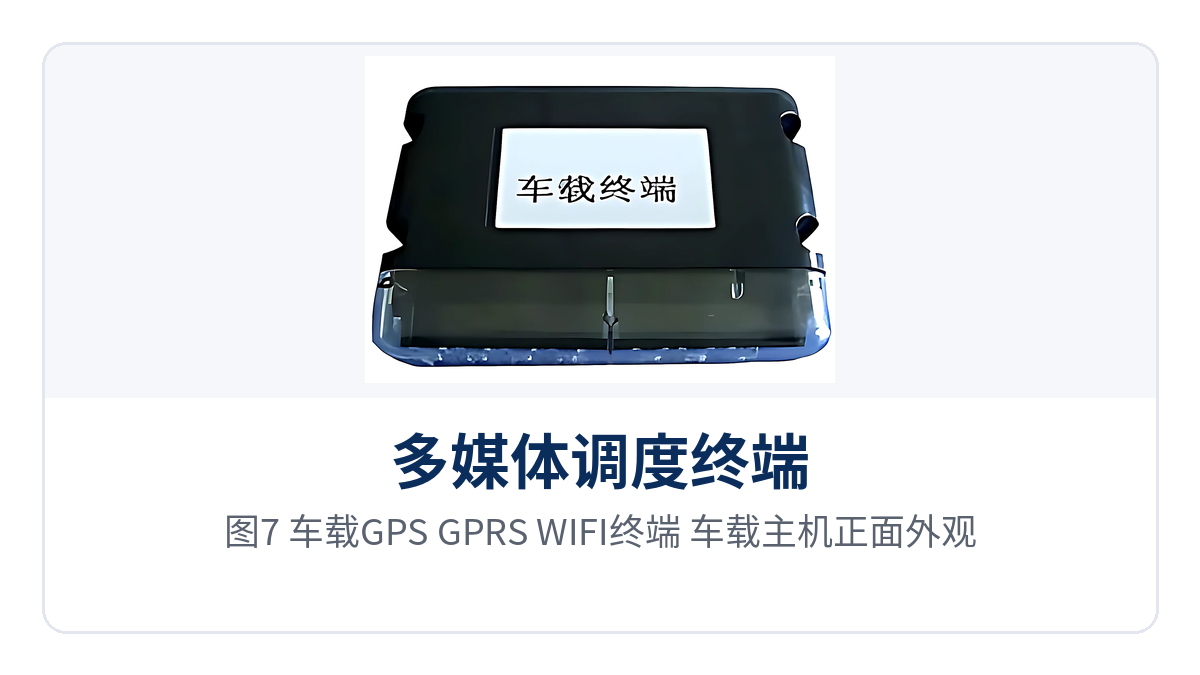
Figure 7: Front appearance of the vehicle-mounted main unit of a vehicle-mounted GPS/GPRS/WIFI terminal
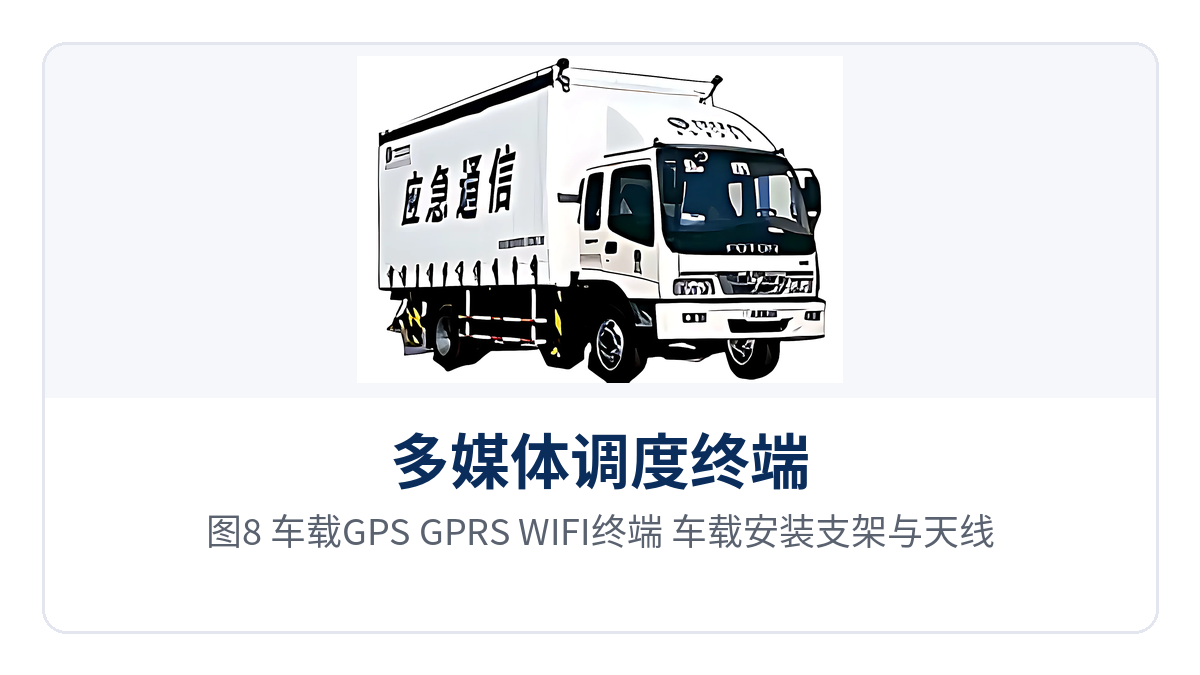
Figure 8: Close-up of the vehicle-mounted mounting bracket and antenna interface of a vehicle-mounted GPS/GPRS/WIFI terminal
Wireless intercom radio set terminal
The functions of the wireless intercom radio set terminal revolve around dispatch management, including push-to-talk ID (PTT-ID), call alert, selective voice calling, emergency alarm, radio set check, and stun and unstun, where stun is used to shut down a lost radio set. By encoding daily operations, the wireless intercom radio set terminal allows these encoded operating states to be sent back to the central dispatch room without the radio set making a sound, saving operator time and reducing system congestion.
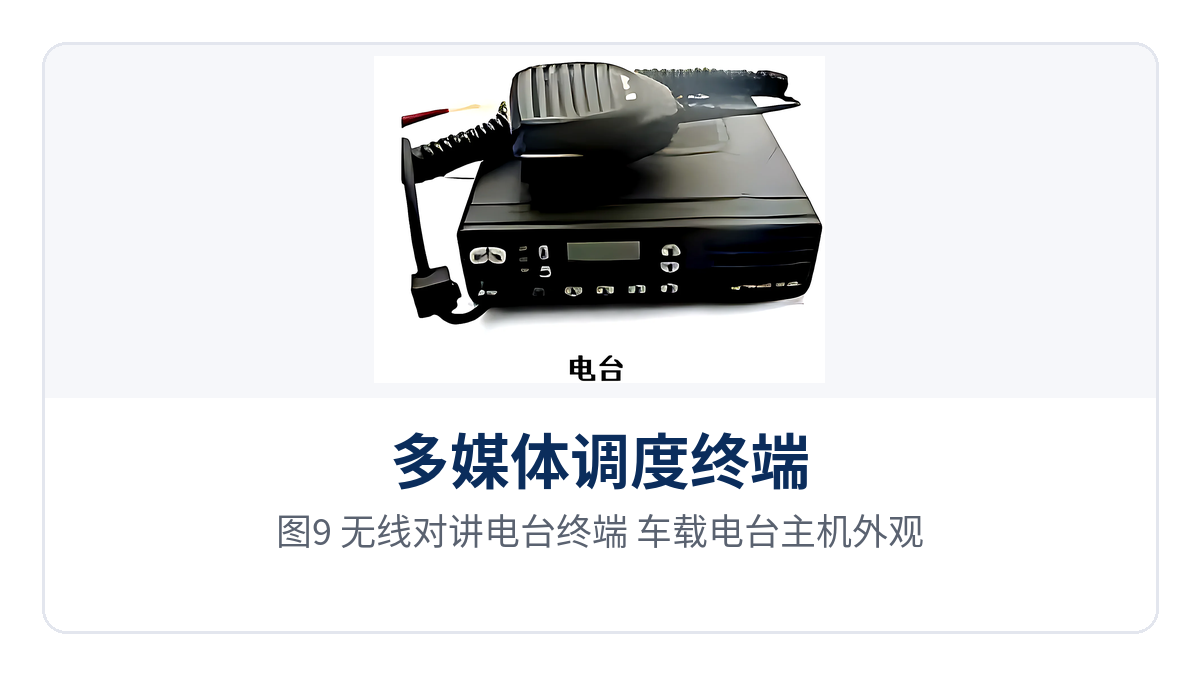
Figure 9: Appearance of the vehicle-mounted radio set main unit of a wireless intercom radio set terminal
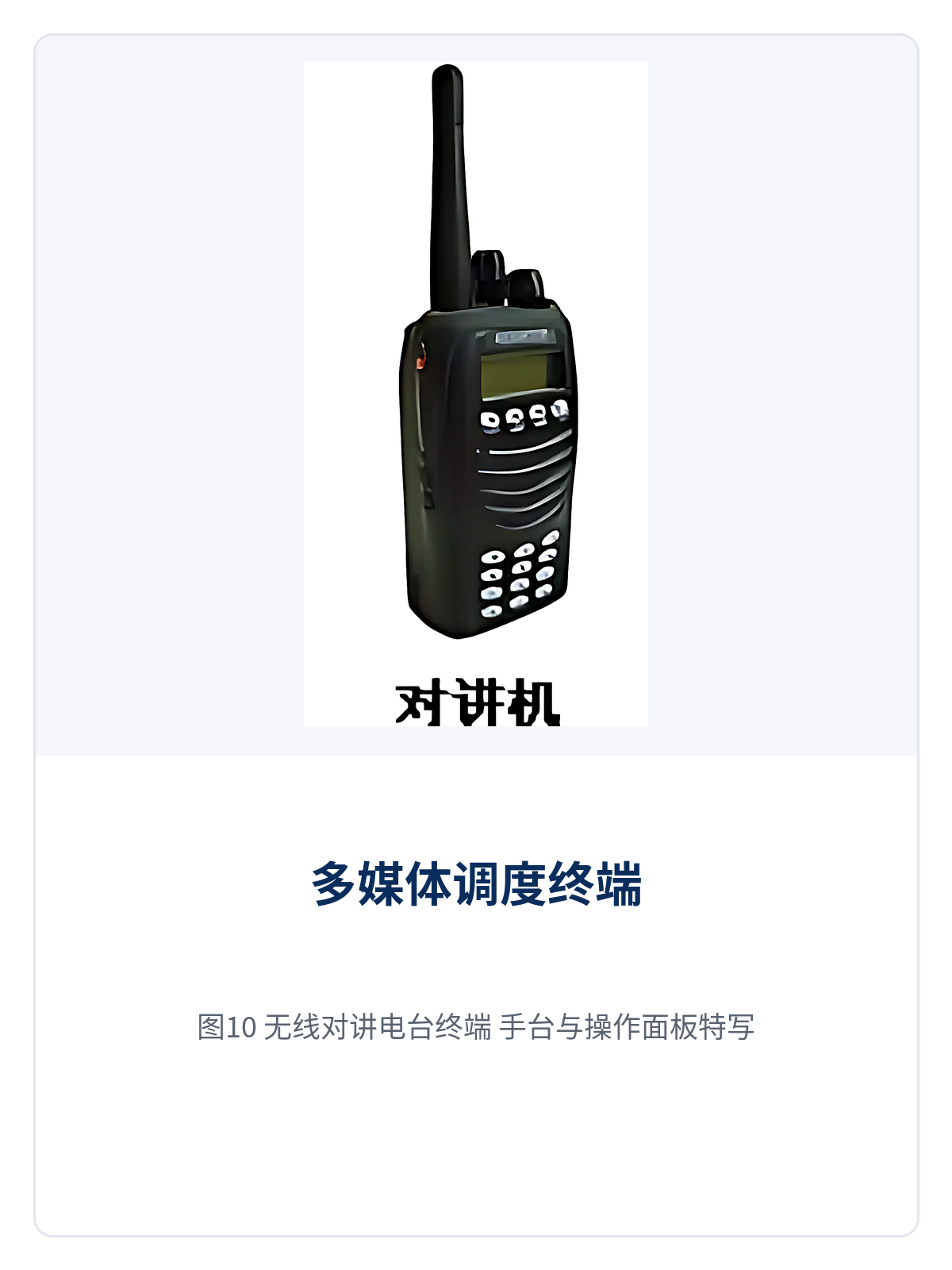
Figure 10: Close-up of the handheld radio and operating panel of a wireless intercom radio set terminal
WIFI wireless trunking intercom
The WIFI wireless trunking intercom operates in the 136174, 400430, and 440~480MHz frequency bands, provides 128 channels, and supports multi-zone division. The terminal features an 8-digit extra-large LCD display screen for easy reading, built-in voice encryption and 12-digit DTMF keys, built-in Fleetsync II/QT/DQT signaling and voice-activated hands-free transmission, and supports wireless cloning and computer programming. It has a streamlined, lightweight, and attractive appearance, strong waterproof performance, and uses lead-free solder in support of environmental protection.
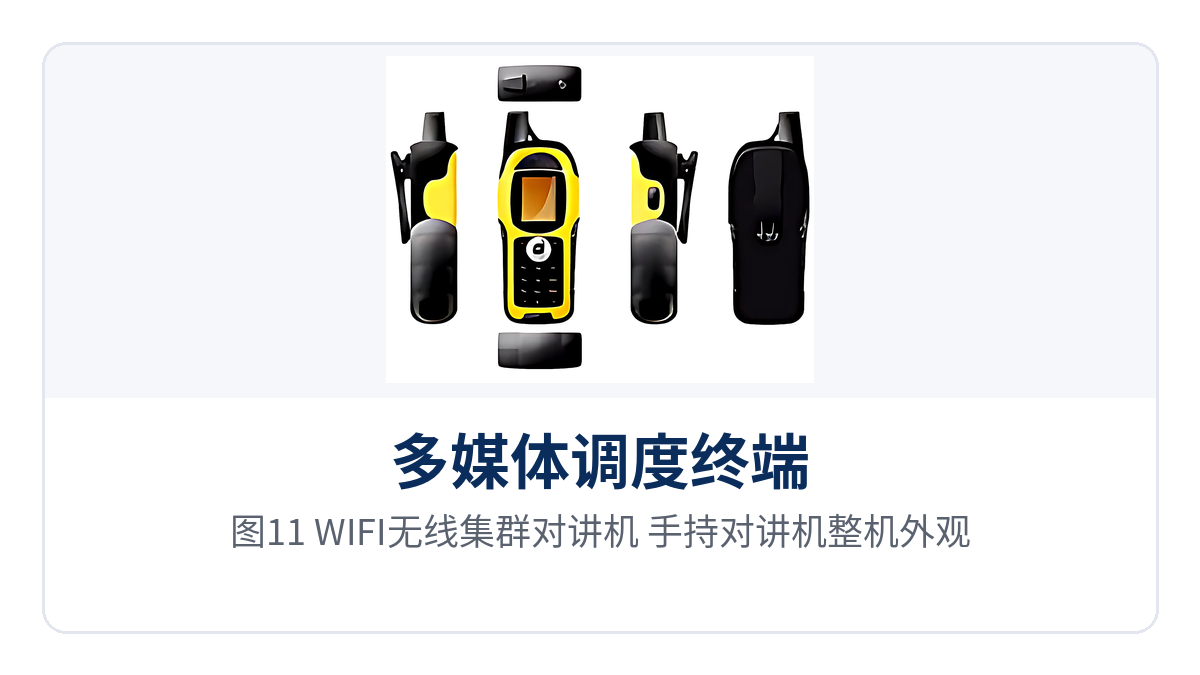
Figure 11: Overall appearance of the handheld intercom of a WIFI wireless trunking intercom
Satellite phone
The satellite phone provides voice and low-speed data channels in areas without any terrestrial network coverage. Its transmission rates are 4.8kbps voice, 2.4kbps G3 fax, and 2.4kbps data (compatible with Hayes interface), and it is equipped with a user-friendly backlit LCD display (64×240 dots, 8×40 characters). The satellite phone offers 5 hours of talk time and 50.0 hours of standby time, supports hands-free calling, multi-language display, menu selection, cursor keys, and 4 programmable function keys, and has a built-in phone book.
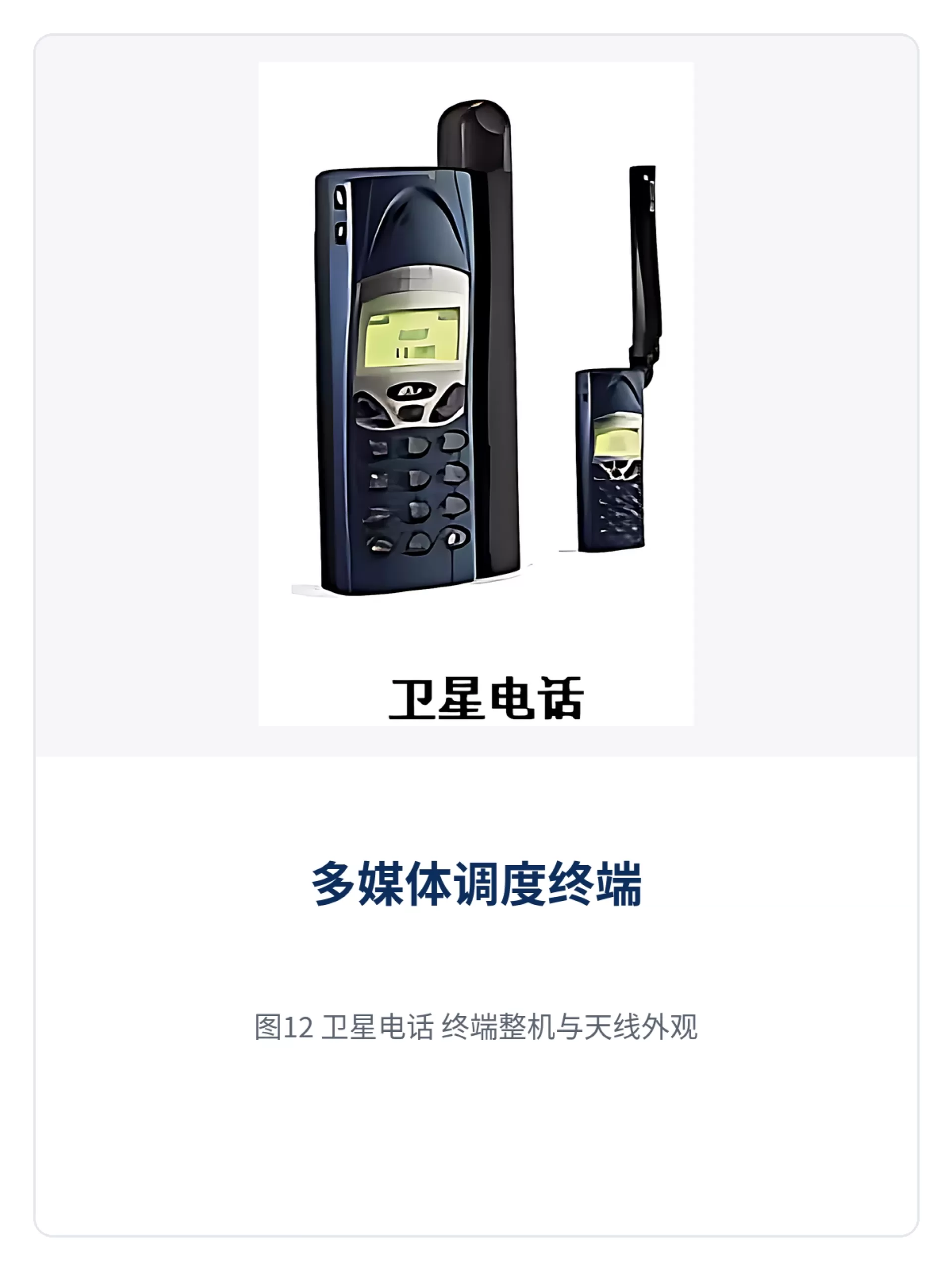
Figure 12: Appearance of the terminal unit and antenna of a satellite phone
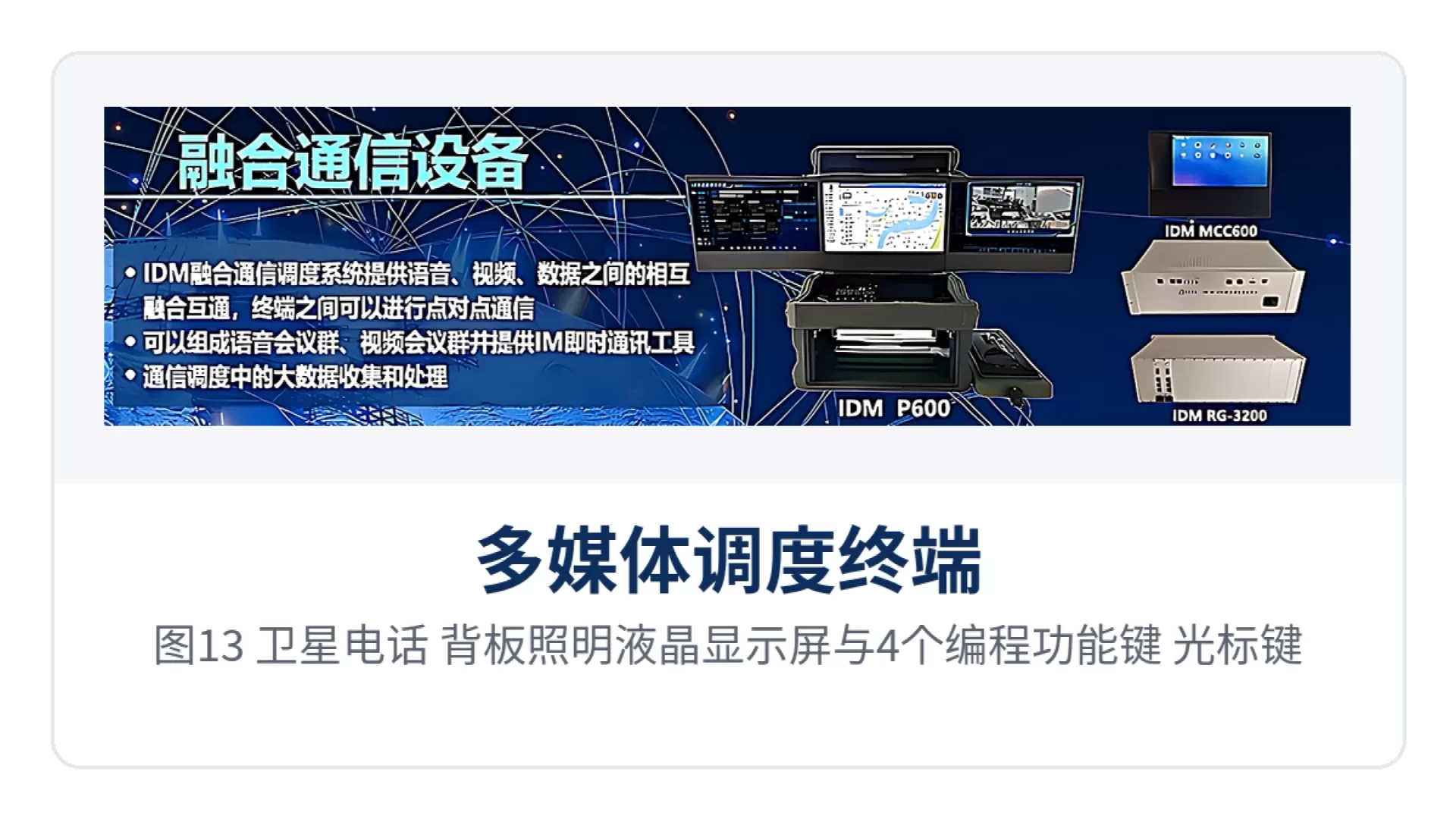
Figure 13: Close-up of the backlit LCD display, 4 programmable function keys, and cursor keys of a satellite phone
Summary table of functions and access modes of various terminals
Terminal Type | Transmission Mode and Access | Main Functions |
|---|---|---|
E1 transmission-based audio and video terminal | E1 interface | 19-inch 1U chassis, H.264 encoding, compresses and mixes video, audio and data into a 2M-rate PCM stream for long-distance transmission over E1, used for remote video surveillance and video conferencing, improving the utilization of E1 line resources in private networks/SDH networks |
IP transmission-based audio and video intercom terminal | IP interface | 19-inch 1U chassis, H.264 encoding, compresses and mixes video and data into a 2.048Mb/s-rate PCM stream for long-distance transmission over IP |
Auto-answer terminal | PBX/IPPBX subscriber telephone interface | Automatically goes off-hook for PA announcement after multiple rings with no answer; automatically goes off-hook for amplified intercom upon receiving broadcast, multicast or conference commands; transmission distance up to 5Km; supports upgrade and transformation of existing telephones |
IP amplified terminal | IP network | IP addressing-based PA power amplifier system, used in the same way as an IP phone, realizing voice intercom over an IP network |
Telephone amplified terminal | PBX/IPPBX subscriber telephone interface | Ordinary telephone line-based PA power amplifier system, automatically powers the power amplifier module during broadcasting, ordinary twisted pair can transmit 5 kilometers |
IP visual terminal | IP network | IP addressing-based videophone, intercommunicates with visual terminals compliant with softswitch protocols and mainstream PC soft video telephone software |
wifi trunking intercom multimedia portable terminal | wifi | Voice intercom, audio and video intercom, command confirmation, SMS sending and receiving, digital encryption, GPS and GPRS, public network digital trunking intercom, real-time and non-real-time video services |
Vehicle-mounted GPS/GPRS/WIFI terminal | GPRS or WIFI | Reports vehicle position information in real time, audio and video communication intercom, command confirmation and SMS sending and receiving |
Wireless intercom radio set terminal | Radio set | PTT-ID, call alert, voice selective call, emergency alarm, intercom check, stun/unstun, operation encoding status backhaul to the central dispatch room |
WIFI wireless trunking intercom | Wireless | 128 channels and multi-zone division, 8-digit extra-large display screen, built-in voice encryption and 12-digit DTMF keypad, Fleetsync II/QT/DQT signaling, voice-operated transmit hands-free, wireless cloning and computer programming, waterproof, lead-free solder |
Satellite phone | Satellite link | 4.8kbps voice, 2.4kbps G3 fax, 2.4kbps data (compatible with Hayes interface); 5 hours talk time, 50.0 hours standby; hands-free calling, multi-language menu, built-in user phone book |
Key Specifications
Item | Parameter/Specification | Description/Applicable Conditions |
|---|---|---|
E1 audio and video stream | 2M PCM stream | For audio and video terminals based on E1 transmission, video, audio, and data are compressed and mixed, then transmitted remotely over the E1 interface |
IP audio and video stream | 2.048 Mb/s PCM stream | For audio and video intercom terminals based on IP transmission, video and data are compressed and mixed, then transmitted remotely over the IP interface |
Video encoding | H.264 | Used by both E1 and IP audio and video terminals, with both instant image capture and image compression capabilities |
Telephone-side transmission distance | Up to 5 km for auto-answer terminals; 5 km for telephone PA terminals | Ordinary twisted pair; the terminal connects to the subscriber telephone interface of a PBX or unified gateway |
Satellite phone transmission rate | 4.8 kbps voice, 2.4 kbps G3 fax, 2.4 kbps data (Hayes-compatible interface) | Satellite link, suitable for areas without terrestrial network coverage |
Satellite phone talk and standby time | 5 hours of talk time, 50.0 hours of standby time | Battery-powered; actual duration varies with usage conditions and is subject to the manufacturer's technical documentation and commercial confirmation |
Satellite phone display screen | Backlit LCD, 64×240 dots, 8×40 characters | Supports multiple languages, menu selection, cursor keys, and 4 programmable function keys |
WIFI wireless trunking intercom frequency band and channels | 136 | Built-in voice encryption and Fleetsync II/QT/DQT signaling |
Overall power supply, ingress protection (IP) rating, and operating temperature | Not yet recorded in the knowledge base | Subject to the manufacturer's technical documentation and commercial confirmation |
What the three differentiated selling points mean on site
Differentiated selling point | What it means on site |
|---|---|
E1 and IP dual-mode terminals, 2M PCM stream remote transmission, high utilization of private network/SDH resources | Existing E1 channels and SDH private network resources need not be torn down and rebuilt; video, audio, and data are compressed into a 2M PCM stream and run directly on the original links. When capacity expansion is needed, IP terminals can be added, and both types of terminals coexist on the same dispatch network |
Up to 5 km over ordinary telephone lines, auto off-hook emergency PA, no line modification required | Auto-answer terminals and telephone PA terminals connect to the subscriber telephone ports of a PBX or unified gateway, reusing existing telephone lines for runs of up to 5 km. When a ringing call is not answered, the terminal automatically goes off-hook for announcements, so modification only happens on the terminal side |
Satellite phone with 50 hours of standby and 5 hours of talk time, 4.8 kbps voice keeps field operations connected | In uninhabited areas, at line inspection endpoints, and at disaster sites without terrestrial networks, the satellite phone supports long-duration duty with 50 hours of standby and 5 hours of talk time, and 4.8 kbps voice ensures dispatch orders can be sent and received |
Typical application scenarios
Energy and electric power private network
Substations and sites along transmission lines are distributed and far apart, and dispatch telephones and video surveillance run year-round on the electric power company's self-built E1/SDH private network. Audio and video terminals based on E1 transmission compress video, audio, and data into a 2M PCM stream, which directly occupies existing E1 channels for transmission, improving private network/SDH resource utilization. Site duty telephones connect through auto-answer terminals; when the dispatch console issues a broadcast or conference command, the terminal automatically goes off-hook for announcements, so duty operators can hear the order even when away from the telephone. When inspection teams enter coverage blind spots of the private network, they switch to wifi trunking intercom multimedia portable terminals or satellite phones to backhaul location and on-site images.
Rail transit and public safety
Rail transit platforms, depots, and law enforcement checkpoints require complete and readily available communication means. Existing telephone lines at stations and yards can be connected directly to auto-answer terminals and telephone PA terminals, and PA announcements cover up to 5 km over ordinary twisted pair, so emergency evacuation does not require rewiring. Duty posts in station halls are equipped with IP video terminals for visual calls with the command center. Off-station line inspection, line emergency repair, and security deployment use vehicle-mounted GPS/GPRS/WIFI terminals and wireless radio terminals, backhauling location information and on-site images to the command and dispatch center in real time.
Field operations and unattended sites
Field operation points and unattended sites in oil and gas fields, water conservancy, electric power, and mining often have no public network, and it is difficult to run a dedicated line to a temporary operation point. Such sites use satellite phones for fallback communications: 4.8 kbps voice, 2.4 kbps fax, and data can work continuously without a terrestrial network, and 50 hours of standby and 5 hours of talk time meet long-duration duty requirements. Nearby manned sites connect to the IP network through audio and video intercom terminals based on IP transmission, sending on-site images to the remote dispatch room.
Selection and Deployment Recommendations
Before deciding which types of terminals to configure, confirm three things.
Whether available E1 or SDH private network resources exist on site: if yes, give priority to audio and video terminals based on E1 transmission, which exclusively occupy transmission resources, offer stable performance, and improve E1 line resource utilization; if no, switch to audio and video intercom terminals based on IP transmission, which offer better bandwidth compatibility and easier access to new multimedia services.
Whether the on-site telephone lines need to be touched: when rewiring is not desired, use auto-answer terminals or telephone PA terminals connected to the subscriber telephone interfaces of a PBX/unified gateway, leveraging existing twisted pair for transmission of up to 5 km, with automatic off-hook and broadcast power-up both completed on the terminal side.
Whether a terrestrial network exists on site: when there is neither a public network nor a private network, use satellite phones for fallback and portable and vehicle-mounted wireless terminals for mobile operation liaison; the satellite phone's 4.8 kbps voice and 50 hours of standby can support long-duration duty in uninhabited areas.
Parameters such as overall power supply, ingress protection (IP) rating, and operating temperature are not given in this material; before purchase, please refer to the manufacturer's technical documentation and commercial confirmation.
Conclusion
Multimedia dispatch terminals organize E1 and IP audio and video terminals, telephone-side auto-answer and PA terminals, and wireless terminals such as portable, vehicle-mounted, radio, and satellite units into the same command and dispatch system: E1 terminals multiplex private network/SDH resources with a 2M PCM stream, IP terminals carry the expansion of new multimedia services, telephone-line-side terminals complete automatic off-hook announcements over 5 km of twisted pair, and satellite phones ensure field operations stay connected with 50 hours of standby. Users in energy and electric power, rail transit, and unattended field sites can select item by item according to on-site transmission resources and network conditions, covering every dispatch station from the equipment room to uninhabited areas with a single terminal list. As a command and dispatch system manufacturer, Raytrans provides a complete solution covering multimedia dispatching exchanges, SIP telephones, and product showcases, and its audio and video dispatching capabilities support rapid deployment in complex scenarios such as military emergency communications vehicle solutions.