IDM MSAP-CP Multi-Service Access Platform
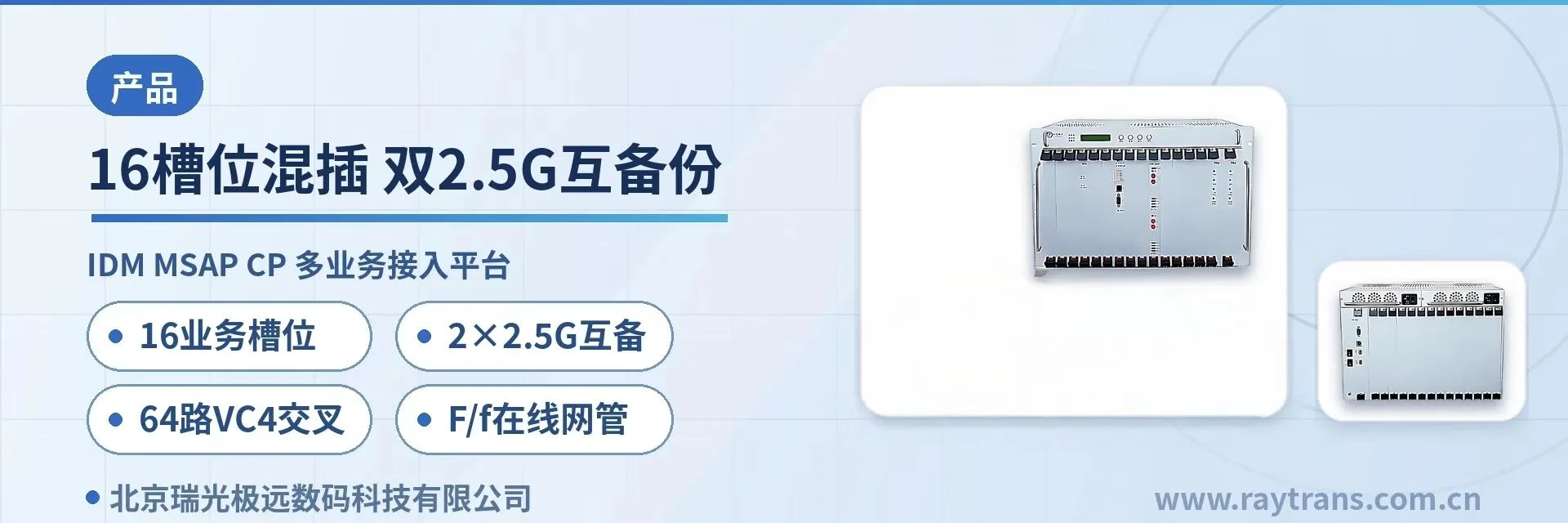
16-slot mixed insertion, SDH and PCM on one device, dual 2.5G mutual backup
The IDM MSAP-CP multi-service access platform features a centralized chassis structure and provides multiple protection functions for optical ports, service cards, tributaries, and routes. The device can form communication networks with various topologies such as ring, chain, and star as required, and can be widely used in communication networks in sectors such as the military, firefighting, electric power, and banking.
IDM MSAP-CP multi-service access platform is a centralized chassis multi-service access device developed by Beijing Ruiguang Jiyuan Digital Technology Co., Ltd. It is designed according to the functional modules defined in ITU-T Recommendation G.783, adopts a 19-inch 7U standard chassis and card-based structure, and completes the access and transmission of SDH, PDH, PCM, IP, IPPBX, and TDM OVER IP services within the same chassis. As a professional SDH equipment manufacturer, Raytrans offers the IDM MSAP-CP, a 16-slot mixed-insertion multi-service access platform. The 16 service slots accept different types of service cards according to project requirements, and can form communication networks with various topologies such as ring, chain, and star as needed, and are widely used in the communication networks of military, firefighting, electric power, banking, and other sectors. The platform integrates the technical advantages of MSAP and MSTP. It is an optical transmission equipment for multi-service scenarios, providing stable and reliable access and transmission support for government private network optical fiber communication solutions and military emergency communications vehicle solutions.
Key specifications at a glance: 16 service slots · 2×2.5G mutual backup · 64 VC4 cross-connections · F/f online network management · 19-inch 7U centralized chassis · integrated SDH/PDH/PCM/IP
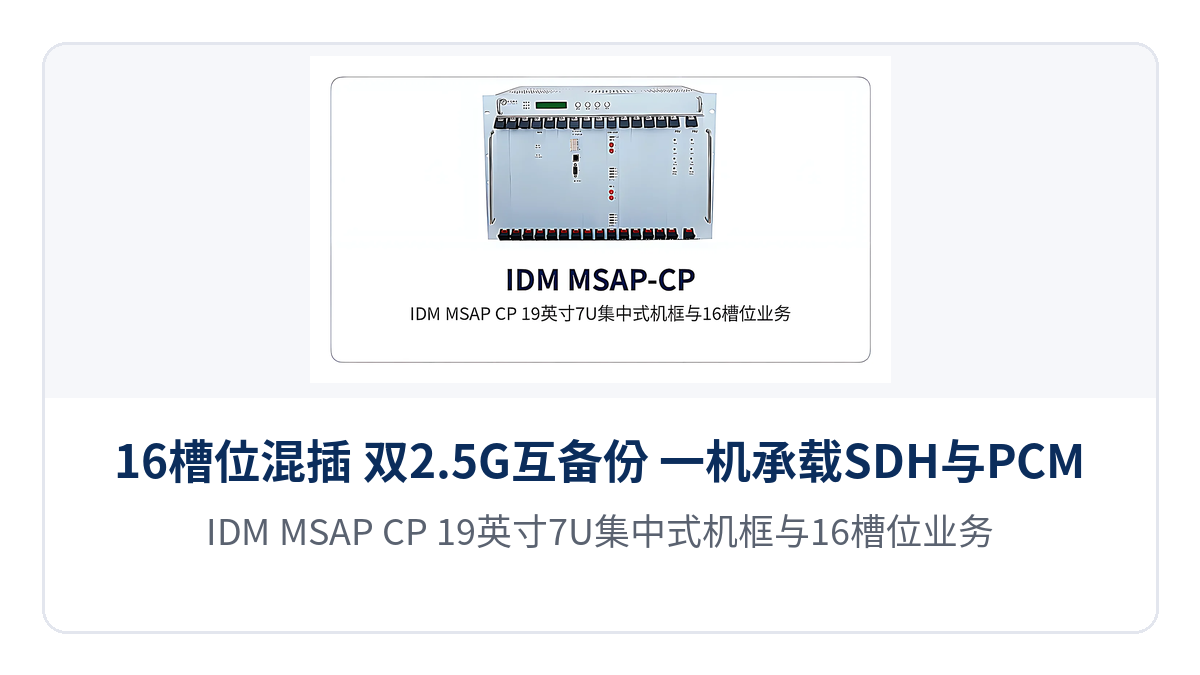
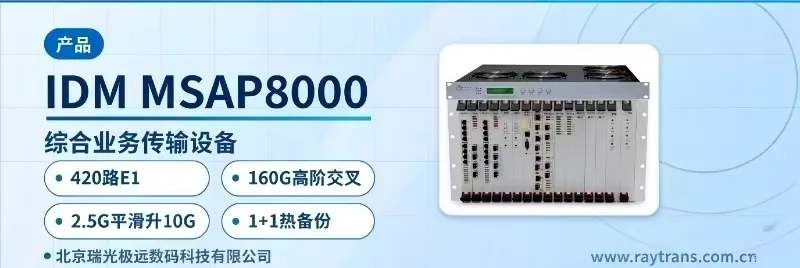
Figure 1: Front view of the IDM MSAP-CP 19-inch 7U centralized chassis with 16 service card slots
What is a multi-service access platform? IDM MSAP-CP carries SDH/PCM/IP services in one chassis
The IDM MSAP-CP is a centralized card-based device. Its 16 service slots accept different types of service cards according to project requirements, simultaneously providing SDH optical transmission, PCM voice and data access, gigabit Ethernet transmission, and PDH optical branch services within one chassis, hence it is called a multi-service access platform. As a mature SDH equipment, the value of its centralized chassis lies in flexible configuration: during service capacity expansion, service cards can simply be added or replaced, while the chassis and backplane continue to be used, thereby reserving room for upgrades.
In terms of networking, the IDM MSAP-CP can form topologies such as ring, chain, and star as needed; when used as a central end, it can form redundant ring networks, tangent ring networks, and other networks with other equipment (MSTP/MSAP). The IDM MSAP-CP has multiple protection functions for optical ports, service cards, tributaries, and routes. The protected objects cover both the transmission link and the service channel, which is also the reason why the 16-slot mixed-insertion multi-service access platform can remain at the central end of a private network for a long time.
Which service cards can be inserted into the IDM MSAP-CP?
The IDM MSAP-CP provides 16 slots and can be configured with various service cards such as E1-USER board, ETH-USER board, STM-4 aggregation board, GEEOS board, CP-PD board, gigabit optical switching board, STM1-WG board, MSCP-21/42E1 board, EOSEOP board, and 64K-USER board; when interfacing with remote devices, it can provide E1 interfaces, Ethernet interfaces, V.35/V.24 interfaces, FXS/FXO interfaces, and hotline telephone interfaces. The types of service cards determine the service types that this SDH equipment can access. During engineering configuration, it is sufficient to calculate card by card according to the service list.
Core functions: 16-slot mixed insertion of service cards and multi-level protection
Function | Description |
|---|---|
16-slot mixed insertion of service cards | Provides 16 slots, which can be inserted with various service cards such as E1-USER board, ETH-USER board, STM-4 aggregation board, GEEOS board, CP-PD board, gigabit optical switching board, STM1-WG board, MSCP-21/42E1 board, EOSEOP board, and 64K-USER board, configured according to the service list |
Dual STM-16 mutual backup | For SDH/MSTP optical transmission services, 2 STM-16 (2.5G) SDH transmission boards can be inserted. The two boards can back each other up or work independently, keeping the 2.5G optical transmission link uninterrupted |
64 VC4 cross-connections | The VC4 cross-connect board (G3ODXC) provides cross-connection for 64 VC4s and supports mutual backup switching between dual G3ODXC boards. When the cross-connect unit fails, it can switch to the standby board |
STM-4 aggregation and tributary multiplexing | Up to 4 STM-4 boards carrying all services to the central cross-connect board can be inserted, and after mutual backup in pairs, they are used as aggregation boards; when an STM-4 optical transmission board is used as a user tributary board, it can be inserted into 12 user card slots, and PDH boards and optical modem boards can also be inserted into these slots |
Gigabit Ethernet transmission | Each GEEOS board provides 3 GE interfaces, and each GE interface provides both optical and electrical forms, realizing gigabit Ethernet transmission over STM-1/STM-4 lines |
PCM voice and data access | PCM service access cards can be inserted, and more than 20 types of PCM plug-in cards can be inserted into PCM user cards, providing voice and data services |
PDH optical branch and E1 termination | Each CP-PD board provides 4 groups of PDH optical interfaces, and each optical interface can handle 1 Fast Ethernet interface and 5 groups of E1 interfaces; the E1 interfaces can be directly terminated locally or cross-connected to the aggregation board E1-USER |
Trunk and signaling interfacing | Can interface with the digital trunk port/analog trunk port of an SPC exchange, supporting V5.2, SS7, Signaling System No. 1, and PRI signaling |
Synchronous timing (SETS) | Supports a synchronous equipment timing source, with the option to trace the optical line timing source or external synchronization input, provides external synchronization output, and can automatically handle timing source switchover according to failures or SSM; the clock source can be line clock, external clock, or free-run |
Networking and network protection | When used as a central end, it can form redundant ring networks and tangent ring networks with other equipment (MSTP/MSAP). When a link fails, services can be transmitted along the other direction of the ring network |
F/f network management and serial port management | Provides F (Ethernet) and f (serial port) network management interfaces for online real-time monitoring; provides an RS-232 serial control interface for easy management of network elements |
Ambient temperature monitoring | Provides ambient temperature monitoring for the equipment, with real-time temperature controlling the on and off of fans, achieving a balance between heat dissipation and environmental power consumption |
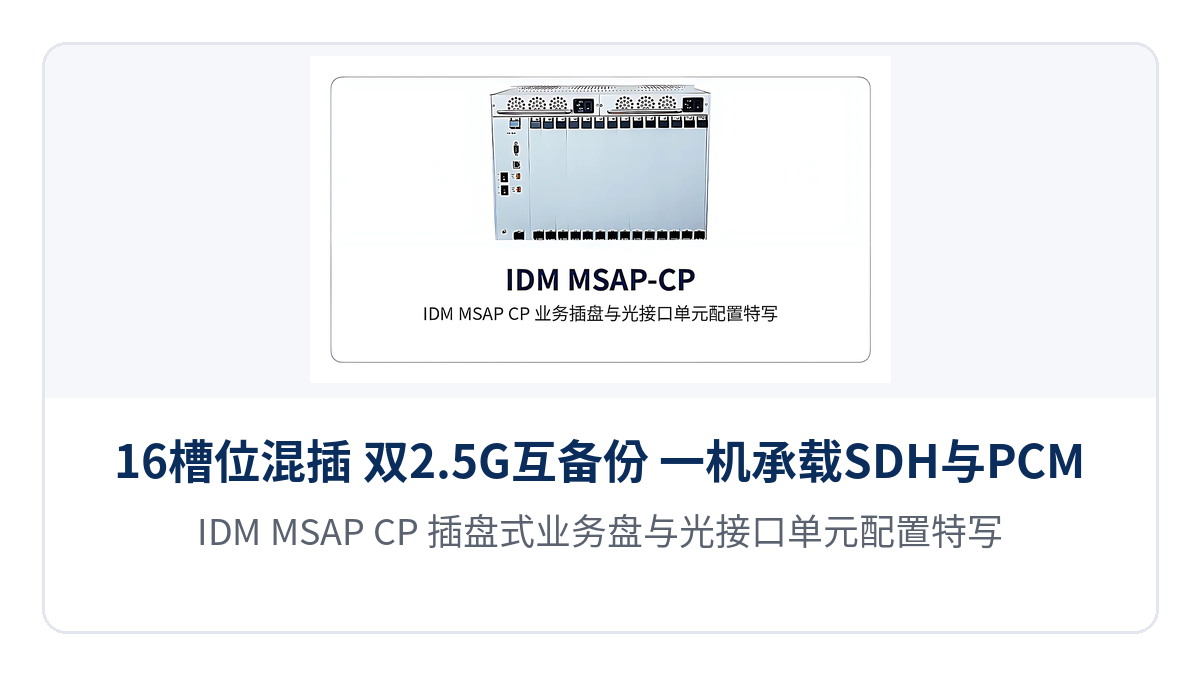
Figure 2: Close-up of the IDM MSAP-CP card-based service cards and optical interface unit configuration
Key Specifications
Item | Parameter/Specification | Description/Applicable Conditions |
|---|---|---|
Chassis structure | 19-inch 7U standard chassis, card-based | Facilitates rack installation; service cards are configured as required |
Service slots | 16 | Supports mixed insertion of SDH, PDH, PCM, Ethernet and other service cards |
SDH transmission board | 2 × STM-16 (2.5G) SDH transmission boards | The two boards work in mutual backup or independently |
STM-4 board | Up to 4 boards, in mutual backup pairs | Used as an aggregation board or the central cross-connect board for full-service access |
STM-4 user card slots | 12 user card slots | Used when the STM-4 optical transmission board serves as a tributary board; PDH boards and optical modem boards can also be inserted |
Cross-connection | 64 VC4s | Provided by the VC4 cross-connect board (G3ODXC), with support for dual-board mutual backup switching |
Gigabit Ethernet interface | 3 GE ports per GEEOS board, optical/electrical selectable | Gigabit Ethernet is transmitted over STM-1/STM-4 lines |
PDH optical interface | 4 groups of PDH optical interfaces per CP-PD board | Each group of optical interfaces carries 1 Fast Ethernet interface and 5 groups of E1 interfaces |
E1 interface | 5 groups of E1 per PDH optical interface | Can be terminated locally or cross-connected to the E1-USER of the aggregation board, compliant with the ITU-T G.703 industry standard (2.048Mbps, HDB3 line coding) |
PCM services | More than 20 types of PCM plug-in cards inserted into the PCM user card | Provides voice and data services |
Signaling support | V5.2, SS7, Signaling System No. 1, PRI | Interfaces with the digital trunk port/analog trunk port of the SPC exchange |
Clock and timing | SETS, line clock/external clock/free-run | Supports automatic switchover on failure or SSM, and provides external synchronization output |
Network management interface | F (Ethernet), f (serial port), RS-232 | Online real-time monitoring of network elements |
Power supply mode and overall power consumption | Not yet recorded in the knowledge base | The manufacturer's technical documentation and commercial confirmation shall prevail |
The parameters in the table are taken from the technical documentation of this product; for items not listed, such as power supply mode, overall power consumption, optical interface rate and transmission distance, not yet recorded in the knowledge base, and the specific values are subject to the manufacturer's technical documentation and commercial confirmation.
Differentiated value: what problems the 16-slot mixed-insertion multi-service access platform solves in private networks
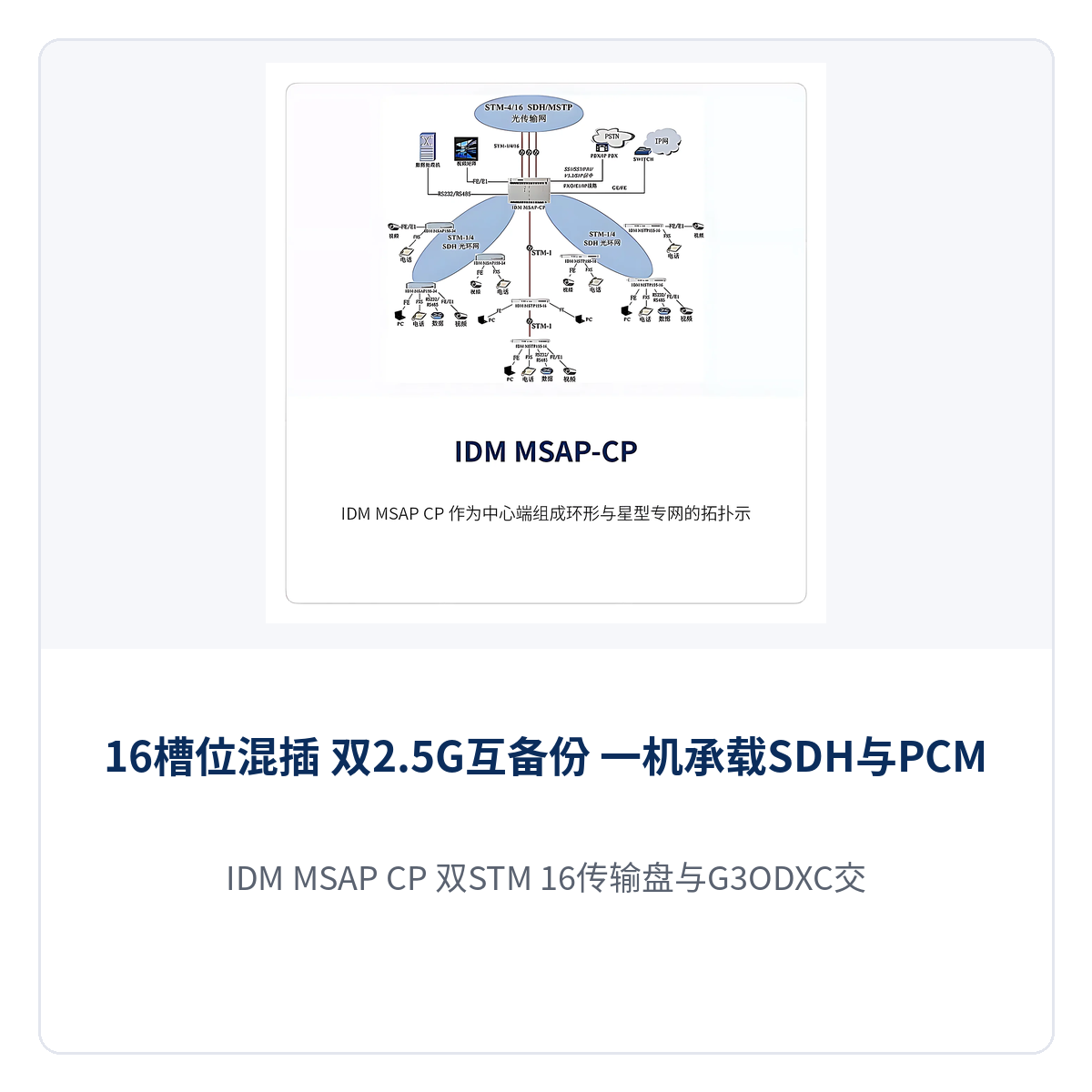
Figure 3: Schematic of mutual backup between the dual STM-16 transmission boards and the G3ODXC cross-connect board of IDM MSAP-CP
Differentiated capability | Value for private network users |
|---|---|
2 × STM-16 (2.5G) in mutual backup; services are uninterrupted when the active board fails | When the active STM-16 transmission board fails, the standby board takes over, the 2.5G optical transmission link is not interrupted, and services such as military command and firefighting dispatch do not go down due to a single board failure |
Dual G3ODXC boards provide 64 VC4 cross-connections in mutual backup; the cross-connect unit switches over automatically on failure | The VC4 cross-connect board is configured board by board and supports dual-board mutual backup switching; when the cross-connect unit fails, services switch over to the standby board, and central aggregation and dispatch services are unlikely to suffer cross-connect blocking |
F/f online network management and RS-232 serial port management | Provides F (Ethernet) and f (serial port) network management interfaces and an RS-232 serial control interface, so O&M personnel can monitor the status of network elements at each site online in the central equipment room, reducing on-site visits for inspection |
16 slots with mixed insertion of SDH/PDH/PCM/IP; one 7U chassis replaces multiple standalone devices | One 7U chassis simultaneously carries SDH transmission, PCM voice access, PDH optical branch and IP Ethernet services, reducing the number of standalone devices in the cabinet and the rack space occupied |
Typical application scenarios
As a mature SDH device, IDM MSAP-CP mostly appears in the role of a central end in actual projects, aggregating voice, data and Ethernet services from remote stations downstream, accessing the transmission plane upstream through STM-16 or STM-4 optical interfaces, and achieving link protection through redundant ring networks and tangent ring networks. Different industries place different emphasis on link continuity, slot density and remote maintenance. The following three scenarios are a typical product showcase of this 16-slot mixed-insertion multi-service access platform.
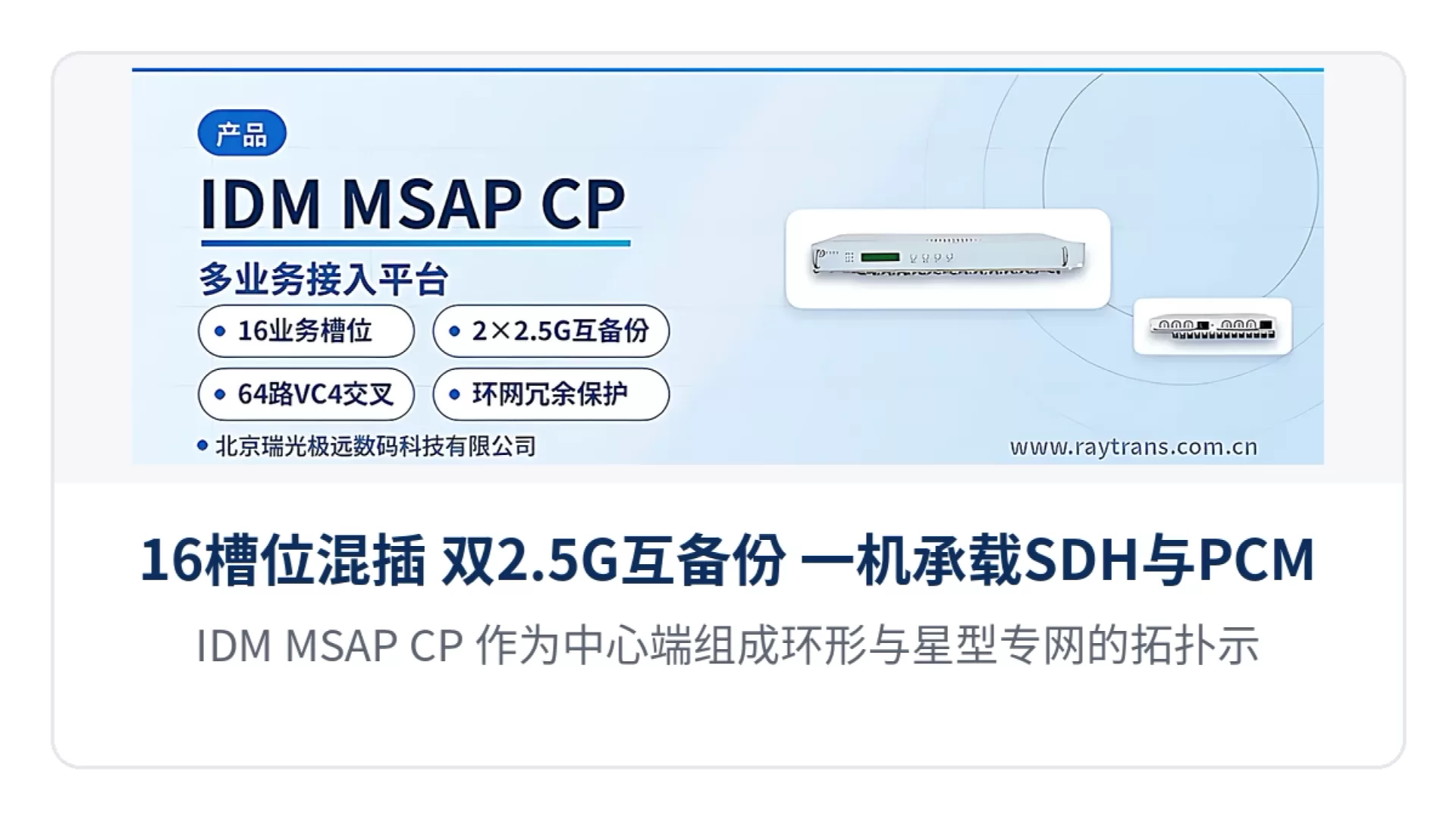
Figure 4: Topology schematic of IDM MSAP-CP as a central end forming ring and star private networks
Military and firefighting field communications: dual STM-16 mutual backup keeps command links uninterrupted
Military and firefighting field communications have strict requirements on link continuity; a single optical transmission interruption may affect the delivery of command instructions. IDM MSAP-CP can be inserted with 2 × STM-16 (2.5G) SDH transmission boards, which are in mutual backup with each other, and services are taken over by the standby board when the active board fails; when used as a central end, it can also form redundant ring networks and tangent ring networks with other devices (MSTP/MSAP). This is exactly the core networking approach of Raytrans for military emergency communications vehicle solutions — E1 trunks, telephone and Ethernet services between field posts and the command post can be accessed on the same 16-slot mixed-insertion multi-service access platform, with the 16 slots populated according to the on-site service list, and the number of accompanying devices reduced accordingly.
Electric power private network: 64 VC4 cross-connections carry dispatch voice and data backhaul
Substations and dispatch centers are distributed sites, and their services include not only dispatch telephone and telecontrol data but also video and office Ethernet. The VC4 cross-connect board (G3ODXC) of the IDM MSAP-CP provides cross-connection for 64 VC4s, and can schedule STM-1 level service granules on different optical directions to tributary boards or for local termination; 16 slots can be mixed with PCM service boards and Ethernet boards, dispatch voice and data backhaul share the transmission channel of one device, and link failures are handled by the ring network and dual-board mutual backup. For the electric power industry, this MSAP platform works with the MSTP transmission mechanism to form the foundation of a reliable government private network optical fiber communication solution.
Banking and Financial Private Network: F/f Network Management Online Monitoring of Network Elements at Branch Sites
Dedicated lines from bank branches to the data center usually require trunk circuits and service data to be transmitted reliably over the same network. The E1 interface of the IDM MSAP-CP can be used for local termination directly, or cross-connected to the E1-USER aggregation board, making it suitable for carrying trunk circuits at branches; Ethernet boards carry service data and surveillance backhaul. The device provides F (Ethernet) and f (serial port) network management interfaces, and is equipped with an RS-232 serial control interface. F/f online network management allows O&M personnel to perform online real-time monitoring of network element status at branch sites from the central equipment room, reducing on-site visits for inspection.
FAQs
What are the features of SDH technology and MSTP products?
I. Development Directions of Next-Generation SDH Technology and Products Regarding the development direction of…
View answerWhat is the difference between PDH and SDH?
I. PDH PDH is the Plesiochronous Digital Hierarchy, which is divided into the European standard and the…
View answerLow-Cost SDH Is an Inevitable Choice for Access Network Construction in the Near to Medium Term
The current status of metropolitan optical networks is that SDH/MSTP (DWDM) optical networks have become the mainstream…
View answerIntroduction to Ethernet Over SDH Technology
Interface specifications: On the SDH side, provides 1 x 155.52Mbps LVDS interface, supporting STM-1.
View answerEthernet Switch Board Principle
The Ethernet switch board launched by Raytrans on the IDM MSTP155-24 platform is based on the Spanning Tree Protocol…
View answer