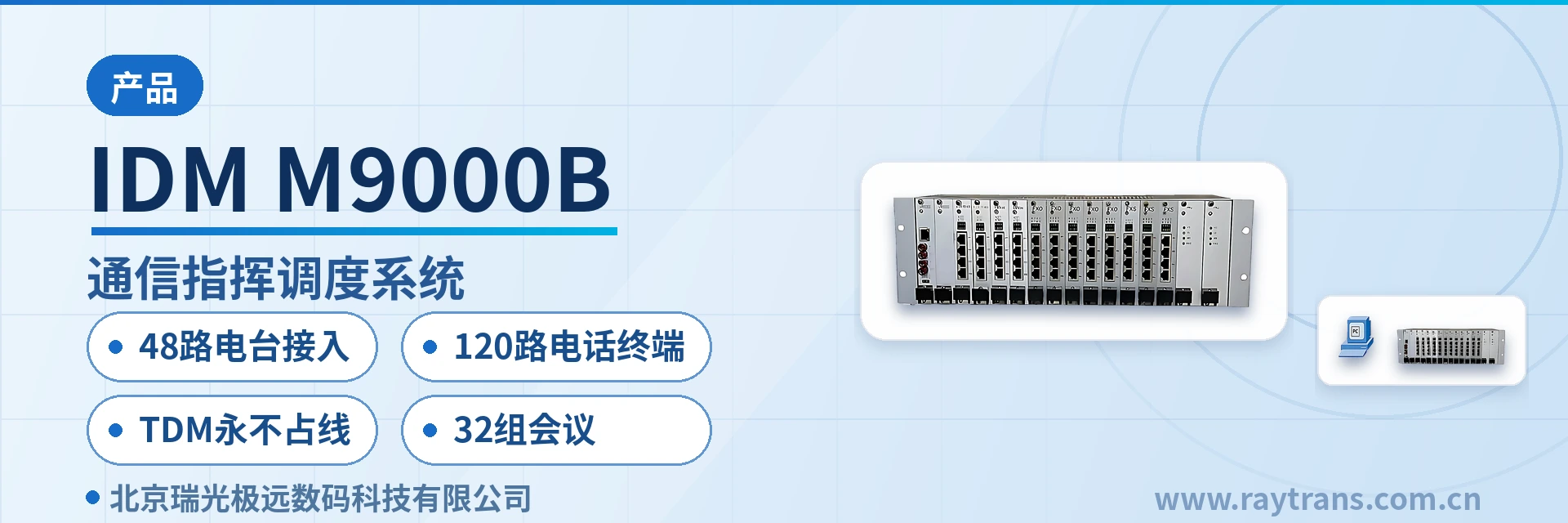
IDM M9000B Communication Command and Dispatch System
Standalone unit with 48 radio channels and gateway-free cascading, TDM never meets a busy line, dispatching still available after power failure
The IDM M9000B communication command and dispatch system is a voice dispatching system suitable for group command. It can extend the digital signaling standards of various telephone exchanges and provides a wide range of narrowband and broadband voice and data interface capabilities. The IDM M9000B communication command and dispatch system can be used for combat, training and exercises, counter-terrorism and stability maintenance, and disaster relief in air defense force position command. When a natural disaster or emergency occurs, it can provide an emergency intercommunication platform for vehicle-mounted, fixed, portable, and mobile communication methods. It also rapidly provides emergency intercommunication that covers public and private, wired and wireless, cross-regional, and cross-department scenarios.
The IDM M9000B communication command and dispatch system is a TDM communication command and dispatch system developed by Beijing Ruiguang Jiyuan Digital Technology Co., Ltd. Centered on TDM time-slot switching, it can connect radio sets of different frequencies, formats, and types, trunking intercom, fixed-line telephones, magneto telephones, and satellite terminals to the same voice platform, achieving interconnection between heterogeneous wireless communication systems and wired networks. As a professional command and dispatch system manufacturer, Raytrans has built the IDM M9000B converged communication command and dispatch system to connect up to 48 radio sets or 120 telephone terminals in a standalone unit. Its integrated design eliminates the cascading of multiple gateways, and it can quickly form vehicle-mounted, fixed, portable, and mobile emergency intercommunication platforms for scenarios such as air defense force position command and training and exercise, counter-terrorism and stability maintenance and disaster relief emergency communications, and cross-regional and cross-department collaborative command, providing solid support for audio and video dispatching and command and dispatch.
The development background of the IDM M9000B communication command and dispatch system comes from the common shortcomings of existing network dispatch equipment: wireless trunking dispatch and wired telephone dispatch are independent of each other, and IP-based dispatching exchanges rely on the cascading of multiple gateways such as GOIP and ROIP, lacking integrated equipment; some dispatching exchanges simply stack multiple technologies, resulting in bulky equipment, complex management, small capacity, and long software startup times, and when connected to field military-grade telephones, they struggle to support access modes such as 2100Hz in-band signaling and DCP signaling. Emergency command relies heavily on group conferences, and under an IP architecture, the more conference room members there are, the greater the processor load and the worse the voice quality. These are exactly the occasions where the TDM time-slot switching architecture comes into play. With its deep accumulation in the command and dispatch field, Raytrans integrates audio and video dispatching capabilities into the converged communication command and dispatch system, effectively meeting diverse needs such as military emergency communications vehicle solutions and government private network optical fiber communication solutions.
Key Specifications at a Glance: 48 radio channels per standalone unit · 120 telephone terminals · TDM never meets a busy line · 32 conference groups · integrated design without gateway cascading · 11V~15V DC power supply · up to 8 optical fiber ring networks
What kind of equipment is the IDM M9000B communication command and dispatch system?
The IDM M9000B communication command and dispatch system is an integrated dispatch host that concentrates switching, interfaces, and dispatch control in a single chassis, and it is also a representative model of Raytrans in the converged communication command and dispatch system product line; the host is equipped with a main control and switching card and 12 user card slots, and the user card slots can be mixed with VHF radio interface cards, FXS subscriber telephone cards, FXO central office telephone cards, Hot hotline phone cards, and MAG magneto telephone cards, with all interface cards supporting hot-swappable operation; system status and user status are displayed by multi-color indicator LEDs, and system settings and function operations are assisted by an LCD screen.
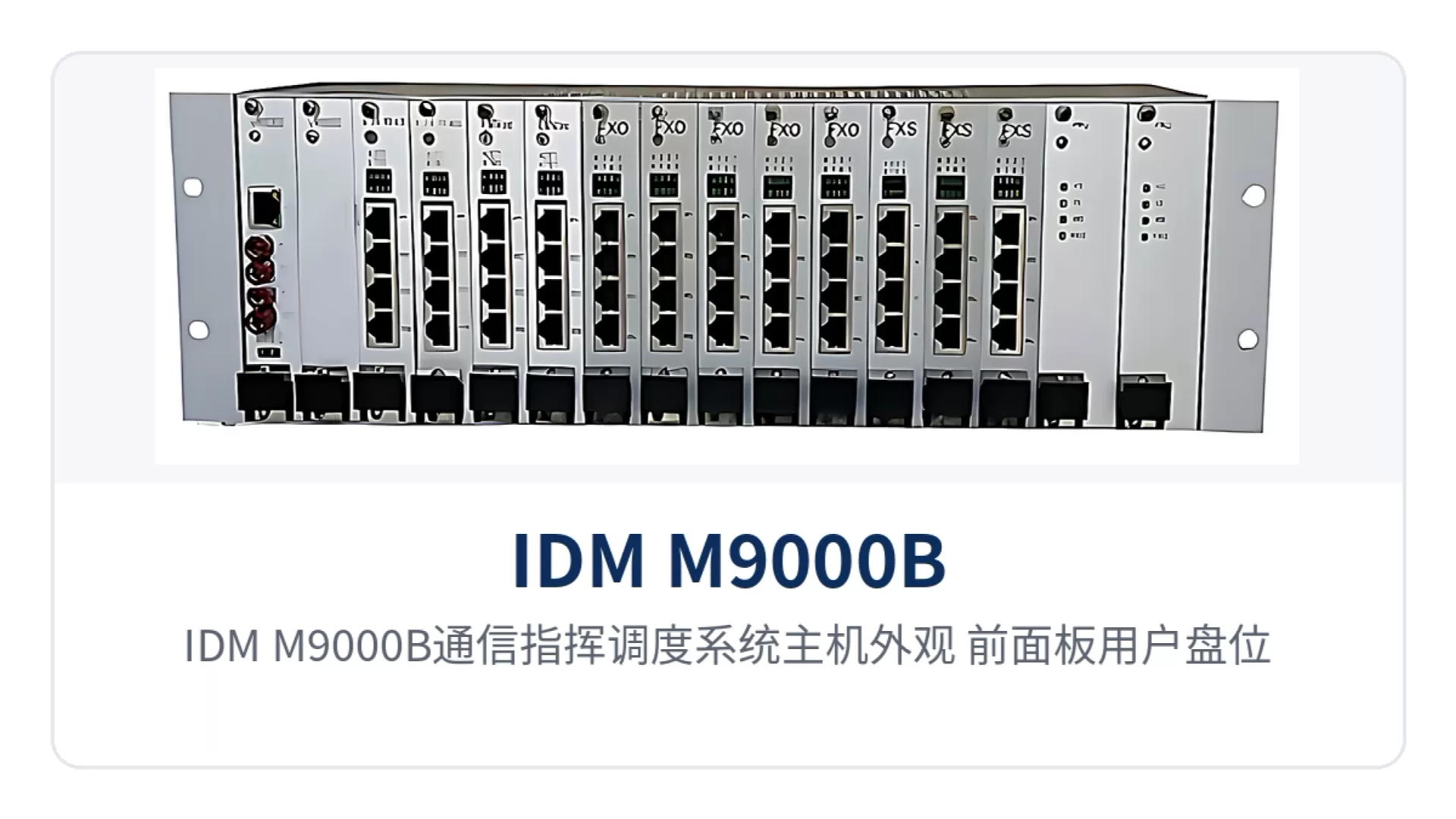
Figure 1: Overall appearance of the IDM M9000B communication command and dispatch system host — front panel user card slots and status indicator LEDs
The dispatch control of the IDM M9000B communication command and dispatch system is based on TDM time-slot switching. The voice transmission and access section provides VoIP channels, the determinism of switching remains in the dispatch core, and remote access can be flexibly enabled over wireless IP networks; a single host simultaneously provides multiple interfaces such as radio sets, telephones, magneto, satellite, and IP, so multi-format communication resources do not need to be distributed across multiple single-format gateway devices. This design approach, which combines audio and video dispatching with voice access, enables command and dispatch to complete unified management and product showcase of multi-network resources on a single platform.
What on-site problems does the integrated design solve?
Conclusion first: the four design features of the IDM M9000B communication command and dispatch system correspond respectively to four types of problems — multi-format intercommunication requiring the series connection of multiple gateways, busy voice channels, difficulty in getting power in the field, and loss of contact due to a single-point fiber break. The correspondence between features and problems is shown in the table below.
Design Feature | On-site Problem Addressed | Supporting Capability |
|---|---|---|
Up to 48 radio channels or 120 telephone channels per standalone unit; integrated dispatching requires no cascading of multiple devices | Multi-format intercommunication requires the series connection of multiple gateways such as GOIP and ROIP, with many interfaces, many points of failure, and long deployment time | Radio, trunking, telephone, magneto, satellite, and IP interfaces are concentrated in the same chassis; a call is connected as soon as wiring is completed on site, enabling quick field deployment |
TDM time-slot switching with reserved bandwidth and never meets a busy line; low voice latency and resistance to IP storms | IP softswitch queues voice channels and causes intermittent audio under broadcast storms or burst traffic | Each call occupies a fixed 64K time slot, with low voice latency and strong anti-interference capability, suitable for private networks with high security requirements |
11V~15V DC power supply, can use rechargeable batteries or vehicle power, enabling quick field deployment | No stable mains power in the field, on vehicles, or at temporary command posts, making equipment transport and power supply access difficult | Can use lightweight rechargeable batteries or vehicle power, and can also connect to 110V~220V AC power, making it easy to carry and quick to deploy |
Supports up to 8 optical fiber ring networks; a breakpoint does not affect communication | If a fiber at some point in the middle of the ring network is broken, voice channels and images at remote stations are immediately lost | Communication is not interrupted after a breakpoint; a call is connected as soon as the handset is lifted at the remote end and images are displayed synchronously; every two rings share 30 telephone channels |
The specific meaning of the integrated design is: dispatching switching, user card slots, and communication interfaces are delivered in the same chassis, and for capacity expansion, the corresponding interface card simply needs to be inserted into a free card slot, without the need to separately purchase a gateway for each type of terminal and then cascade them one by one; for field operations, the complete unit is transported, and it can be powered on for dispatching once connected to a battery or vehicle power. The integrated capacity of 48 radio channels and 120 telephone terminals per standalone unit, the never-busy-line characteristic of TDM time-slot switching, the field adaptability of 11V~15V DC power supply, and the self-healing capability of the optical fiber ring network are elaborated separately below, and these features are exactly the capability items that Raytrans focuses on for military emergency communications vehicle solutions and government private network optical fiber communication solutions.
Why is the TDM communication command and dispatch system suitable for emergency command and high-security scenarios?
The TDM communication command and dispatch system is suitable for emergency command and high-security scenarios because of reserved bandwidth and deterministic switching. The dispatch control of the IDM M9000B communication command and dispatch system is based on TDM time-slot switching, and each call occupies a fixed 64K time slot in the switching matrix, so voice is not queued and never meets a busy line, with strong anti-interference capability and low voice latency; traditional voice interface cards are available in many types, switching response is fast, hardware voice conference room capacity is large, and the startup speed of each system module is fast, making it suitable for command occasions requiring rapid deployment.
IP dispatching in important fields usually requires the IP transmission network to provide guarantees such as port traffic limiting and VLAN partitioning, and basically depends on an IP private network; transmitting voice over an office network without IP transmission planning still poses security hazards. IP softswitch is susceptible to IP broadcast storms or other burst IP traffic, whereas the IDM M9000B communication command and dispatch system keeps the determinism of time-slot switching in the dispatch core and uses VoIP only as an access channel, balancing reliability and deployment flexibility, and it remains the preferred product in application fields with high security requirements.
Knowledge Block: Differences Between TDM Dispatching and IP Softswitch
The differences between TDM dispatching and IP softswitch are mainly reflected in the switching mechanism and network dependency. The table below compares the IDM M9000B communication command and dispatch system (TDM time-slot switching) with common IP softswitch dispatch systems, item by item according to the dimensions of concern for dispatch services, under the applicable conditions of private network and emergency command scenarios.
Comparison Dimension | IDM M9000B (TDM time-slot switching) | IP softswitch dispatch system |
|---|---|---|
Switching mechanism | Time-slot cross-connection switching, with paths reserved permanently | IP packet switching, relying on router and switch forwarding |
Bandwidth guarantee | Each call occupies a fixed 64K time slot, never meets a busy line and never queues | Requires QoS, traffic limiting, VLAN partitioning and other guarantees |
Anti-interference capability | Strong resistance to broadcast storms and burst traffic | Susceptible to IP broadcast storms or burst traffic |
Voice latency | Time-slot pass-through, low and stable latency | Latency fluctuates with network load |
Conference capability | Hardware voice conference room, with stable voice quality for large capacity and many members | Conference rooms rely on processor computing, and the more members, the heavier the load |
Networking requirements | Can be used on an office network or private network without IP planning | High-reliability applications basically require an IP private network |
Access flexibility | Dispatch control runs over TDM, while the access end provides VoIP channels | All-IP access, with interface gateways requiring separate configuration |
From the comparison, the advantages of TDM time-slot switching are concentrated in latency determinism and resistance to burst traffic, while the advantage of IP softswitch lies in the universality of terminal access; the IDM M9000B communication command and dispatch system combines the two, with dispatch control running over TDM time-slot switching and VoIP channels retained at the access side, balancing the security requirements of private networks with access flexibility, and providing command and dispatch system manufacturers with a comparable technical basis for solution selection.
Which terminals and trunk interfaces does the IDM M9000B support?
The IDM M9000B communication command and dispatch system can be fitted with a WG300 card, providing 120 channels of 64K PCM voice (FXO, FXS, E&M voice, MAG, etc.), and also provides radio set interfaces and VHF radio interfaces that meet the multi-unit control standard, plus a dispatch console Ethernet interface and 2 E1 interfaces for No.1, SS7 and PRI signaling access; the E1 interfaces can also be used to connect PCM expansion subscriber interface channels. Trunk and subscriber interfaces can be flexibly selected according to on-site network conditions.
Interface/Access Mode | Description |
|---|---|
GSM/CDMA interface | Access to the cellular mobile communication network, allowing mobile phone users to participate in dispatching |
WAN port (electrical interface RJ45 or optical interface FC) | Provides an IP phone access channel and supports VoIP voice |
Ordinary telephone trunk interface | Connects to public switched telephone network (PSTN) trunk lines |
Ordinary magneto interface or 2100 Hz magneto interface | Connects to field magneto telephones and military-grade telephones |
Satellite phone interface | Access to satellite communication systems |
China No.1 signaling, China SS7 signaling, PRI signaling | 2 E1 digital trunks, compatible with common signaling standards |
FXS/FXO/MAG/Hot hotline subscriber cards | Connects to ordinary telephones, PTT intercom terminals, hotline phones and magneto telephones |
VHF radio interface card | Connects to radio transmitters, receivers and remote control consoles |
Dispatch console Ethernet interface | Connects to multimedia dispatch consoles and commander seat software |
Telephones and wired intercom terminals can be connected directly to FXS subscriber interfaces, and outside lines can also access dispatching resources on the IDM M9000B communication command and dispatch system through FXO interfaces, enabling outside lines to listen on VHF radio interfaces. FXS subscriber interfaces connect to ordinary telephones, PTT intercom terminals and the like, and can also be transmitted over PCM access to more distant operating sites, extending dispatch coverage; together with dispatch consoles and the software seats of the converged communication command and dispatch system, they can incorporate the vehicle-mounted radios in a military emergency communications vehicle solution and the remote stations in a government private network optical fiber communication solution into the same command and dispatch system.
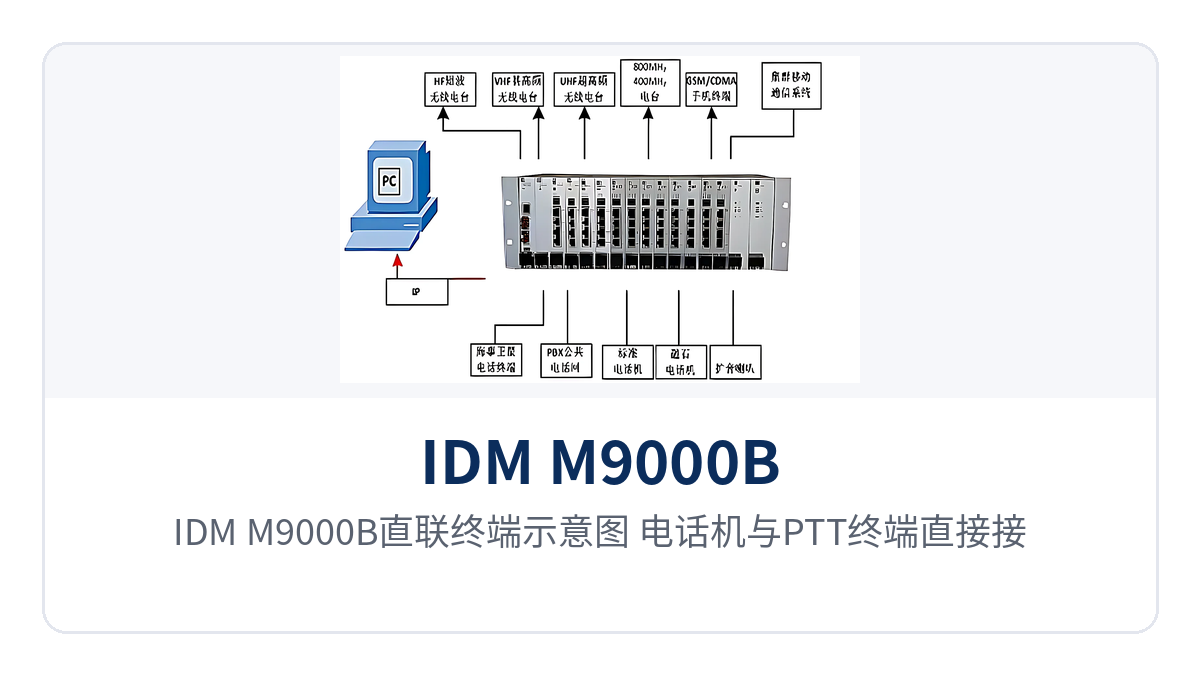
Figure 2: IDM M9000B direct connection terminal diagram — direct access mode for telephones and PTT terminals
Which communication media and networks does the IDM M9000B support?
As a mature audio and video dispatching platform, the IDM M9000B communication command and dispatch system can aggregate multiple communication media — the fixed-line telephone network, cellular mobile communication network, Internet (IP) network, wireless local area network (WLAN), trunking mobile communication system and satellite communication system — onto the same dispatching platform, achieving collaborative dispatch voice intercommunication between public and private networks, wired and wireless, and across regions and departments. The communication media diagram is shown below; the system performs unified voice access for different transmission media, so dispatchers do not need to distinguish whether a remote user is on an optical fiber, field wire, wireless link or IP channel.
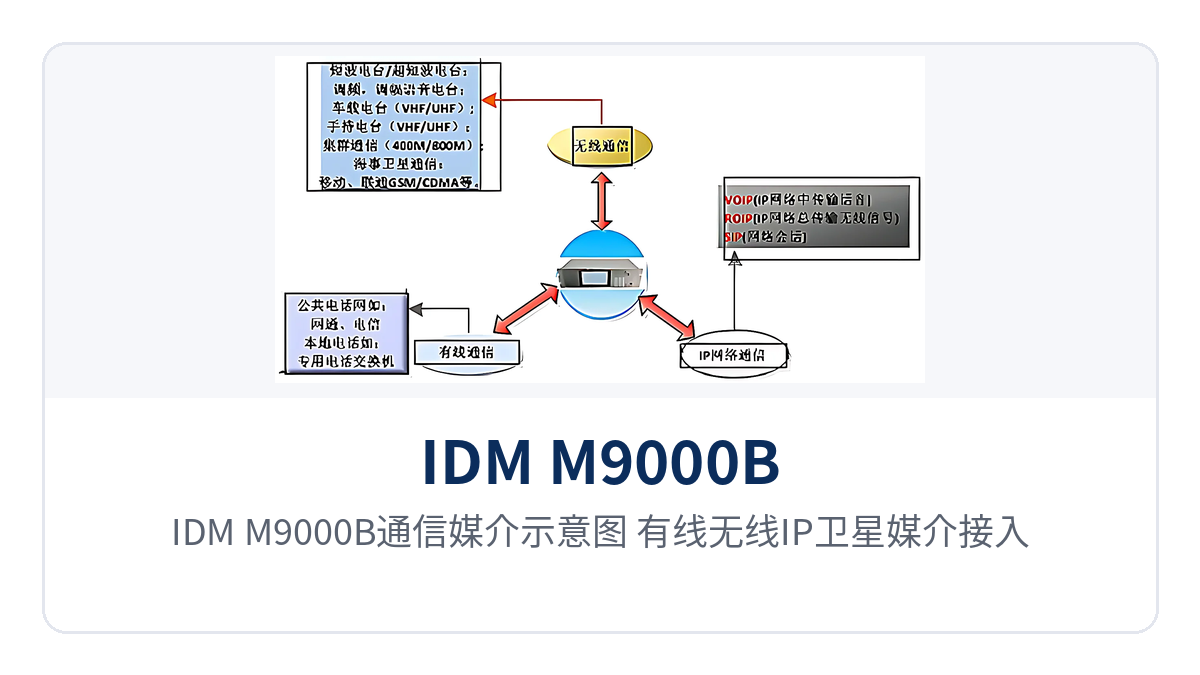
Figure 3: IDM M9000B communication media diagram — wired, wireless, IP and satellite media access
On the IP side, the IDM M9000B communication command and dispatch system connects IP phones and other access terminals through the WAN port's electrical interface (RJ45) or optical interface (FC), and supports the transmission of radio signals (RoIP) and voice signals (VoIP) over IP networks. The combination of TDM time slots for dispatch control and IP channels for the access segment enables the system to quickly enable remote voice channels over a wireless IP network, without waiting for IP private network planning to be completed.
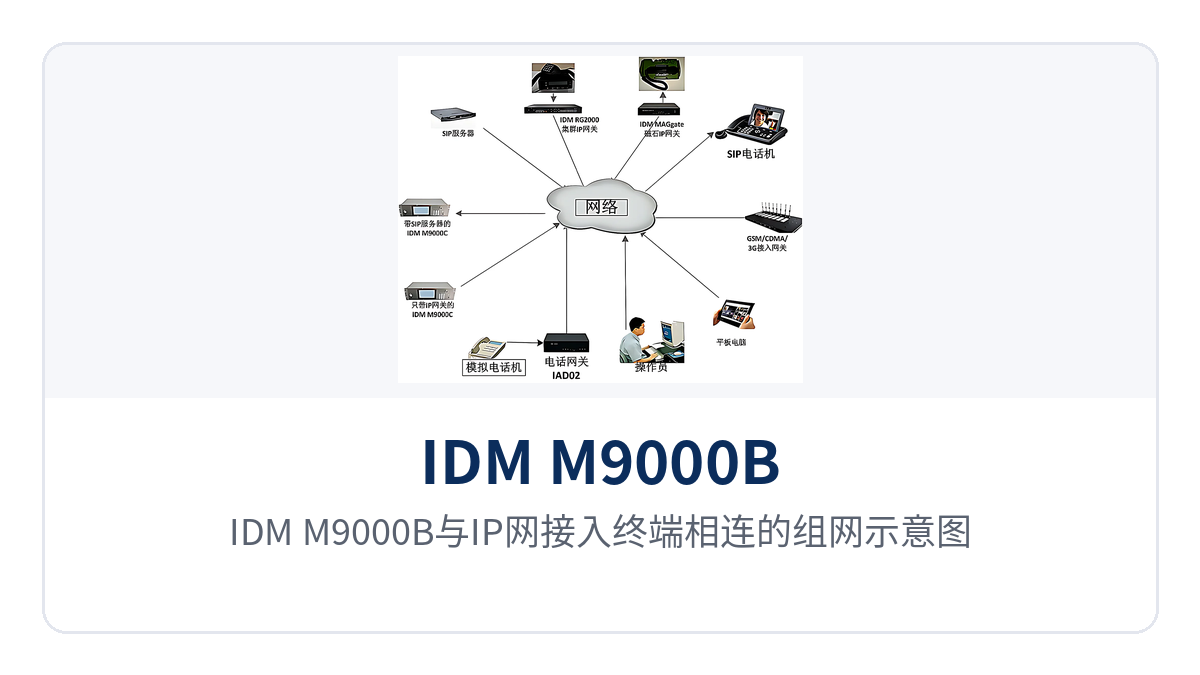
Figure 4: Networking diagram of the IDM M9000B connected to IP network access terminals
How many radio and telephone channels can the IDM M9000B communication command and dispatch system handle?
The overall capacity of the IDM M9000B communication command and dispatch system centers on the main control and switching card and the user card slots: the main control and switching card can provide conference calls, supporting 32 simultaneous conferences and 64 simultaneous DTMF detections, and the card provides 2 groups of E1 interfaces, which can be configured as China SS7 signaling or PRI signaling, or as 60 subscriber interfaces. The unit provides 12 user card slots, and each slot can be fitted with a VHF interface card, FXS subscriber telephone card, FXO central office telephone card, Hot hotline phone card or MAG magneto telephone card; when a VHF radio interface card is fitted, each card provides 4 channels, and when FXS, FXO or MAG cards are fitted, each card provides 10 channels. The main capacity and configuration parameters are shown in the table below.
Item | Parameter/Specification | Description/Applicable Conditions |
|---|---|---|
Radio set access | Up to 48 channels | Including HF, VHF single sideband (SSB) radio sets, 350M/800M trunking intercom, etc. |
Telephone/wired intercom terminals | 120 channels | Directly connected to a standalone unit; a further 60 channels can be extended through 2 E1 interfaces |
User card slots | 12 | Hot-swappable; VHF/FXS/FXO/Hot/MAG cards can be mixed in the same chassis |
VHF interface card | 4 channels per card | Can connect to radio set transmitters, receivers and remote control consoles |
FXS/FXO/MAG card | 10 channels per card | Connects to telephones, PTT intercom terminals and magneto telephones |
Conference call | 32 simultaneous conferences | Hardware voice conference room, supporting group command |
DTMF detection | 64 simultaneous channels | Supports telephone keyboard control of radio receive/transmit |
Real-time recording | 30 simultaneous channels | E1 voice can be sent over Ethernet to a computer for recording |
E1 interface | 2 groups | No.1/SS7/PRI signaling or 60 subscriber interfaces |
Power supply | 11V | Rechargeable battery, vehicle-mounted power supply or mains power |
Operating mode | 4 basic modes | Multi-party conferencing, ordinary telephone intercom, PTT terminal intercom, PA |
What Operating Modes Do Radio Sets and Wireless Intercom Have?
The IDM M9000B communication command and dispatch system provides 4 basic operating modes for intercommunication between VHF radio sets and telephone terminals, and in practice the PA mode can be combined with the other modes. In multi-party conferencing mode, each VHF radio corresponds to a conference number, and listening telephones dial in to the conference room for free intercom; in ordinary telephone intercom mode, a telephone dials the radio set access number to listen, and presses the flash key or hook switch to obtain a talk right of 20 seconds (20 seconds by default, configurable); in PTT terminal intercom mode, the terminal normally listens and presses the PTT key to speak, with the talk time determined by the terminal; in PA mode, the VHF radio set audio is broadcast one-way to all telephones that have joined listening.
Operating mode | Application | Key notes |
|---|---|---|
Multi-party conferencing mode | Each VHF radio set is assigned 1 conference number; telephones dial in to the conference room for intercom | Continuous VHF transmission is limited to within 2 minutes |
Ordinary telephone intercom mode | A telephone dials the number to listen to the radio set, and requests to speak via flash or the hook switch | Default talk right of 20 seconds, with a talk prompt tone |
PTT terminal intercom mode | The terminal normally listens and presses the PTT key to speak | Talk time is determined by the terminal |
PA mode | Radio set audio is broadcast one-way to listening telephones | The number of listening telephones is not limited |
Access control of radio channels supports 3 modes: audio interfaces with PTT function preferentially use the PTT control mode when interfacing with radio sets and trunking interfaces; audio terminals without PTT function (such as conference microphones) use the DSP volume control mode, controlling the receive/transmit of the radio interface by dynamically monitoring the sound level; telephones and mobile phones can also send commands to the dispatching exchange through the dual-tone multi-frequency (DTMF) keyboard to control the receive/transmit of the radio interface, and one control mode can be selected for each radio interface.
How Does the IDM M9000B Network with Raytrans Transmission and Access Equipment and Dispatch Consoles?
Through E1, PCM and optical transmission links, the IDM M9000B communication command and dispatch system can cascade with Raytrans' own transmission and access equipment to extend dispatching voice channels to remote stations. The E1 interface can serve as No.1, SS7 or PRI signaling trunk, or connect to PCM to extend subscriber interface channels, so that dispatching resources extend along the transmission network to remote telephones, intercom terminals and radio sets, forming a command network with centralized scheduling and distributed access.
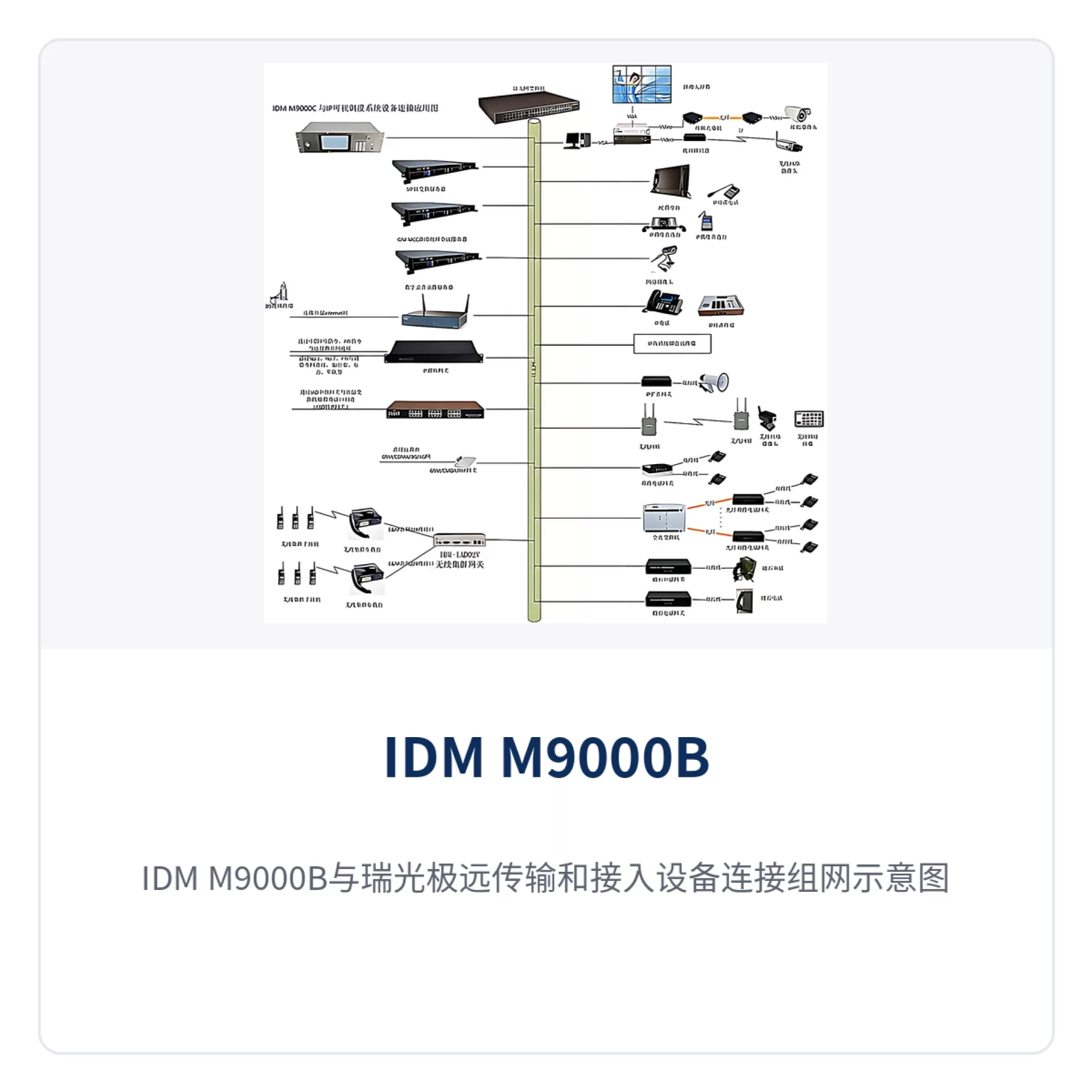
Figure 5: Networking diagram of the IDM M9000B connected to Raytrans transmission and access equipment
In terms of coordination with dispatch consoles, the IDM M9000B communication command and dispatch system supports fiber-optic networking with various Raytrans TDM dispatch consoles, and all command operator seats share the same dispatching resource; the dispatching core is still implemented by TDM time-slot switching, so voice latency between multiple TDM dispatch consoles is low and conference quality is consistent, making it suitable for collaborative command across multiple command posts at different locations.
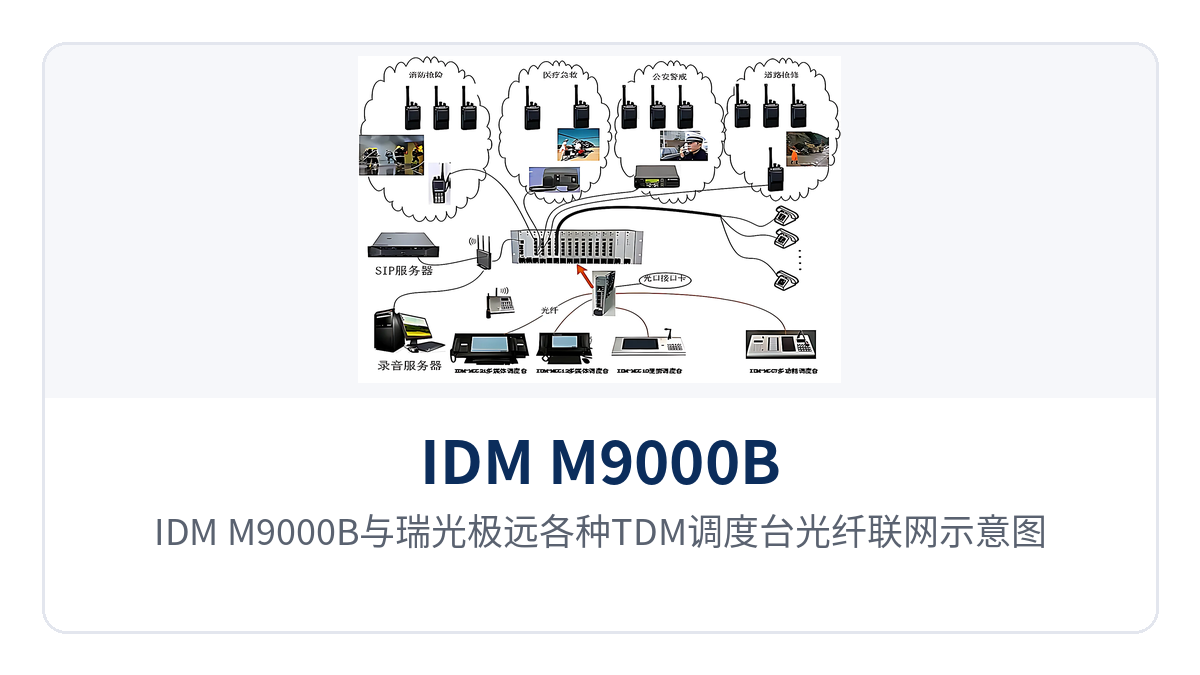
Figure 6: Diagram of fiber-optic networking between the IDM M9000B and various Raytrans TDM dispatch consoles
The IDM M9000B communication command and dispatch system can also work with the IDM MCC IP keyboard dispatch console to complete intercom dispatching. The IP keyboard dispatch console is connected to the system through an Ethernet switch, allowing flexible installation locations. The dispatcher initiates intercom on the IP keyboard dispatch console, and the system bridges the radio set voice channel and the dispatch console voice channel, enabling one-touch radio intercom command.
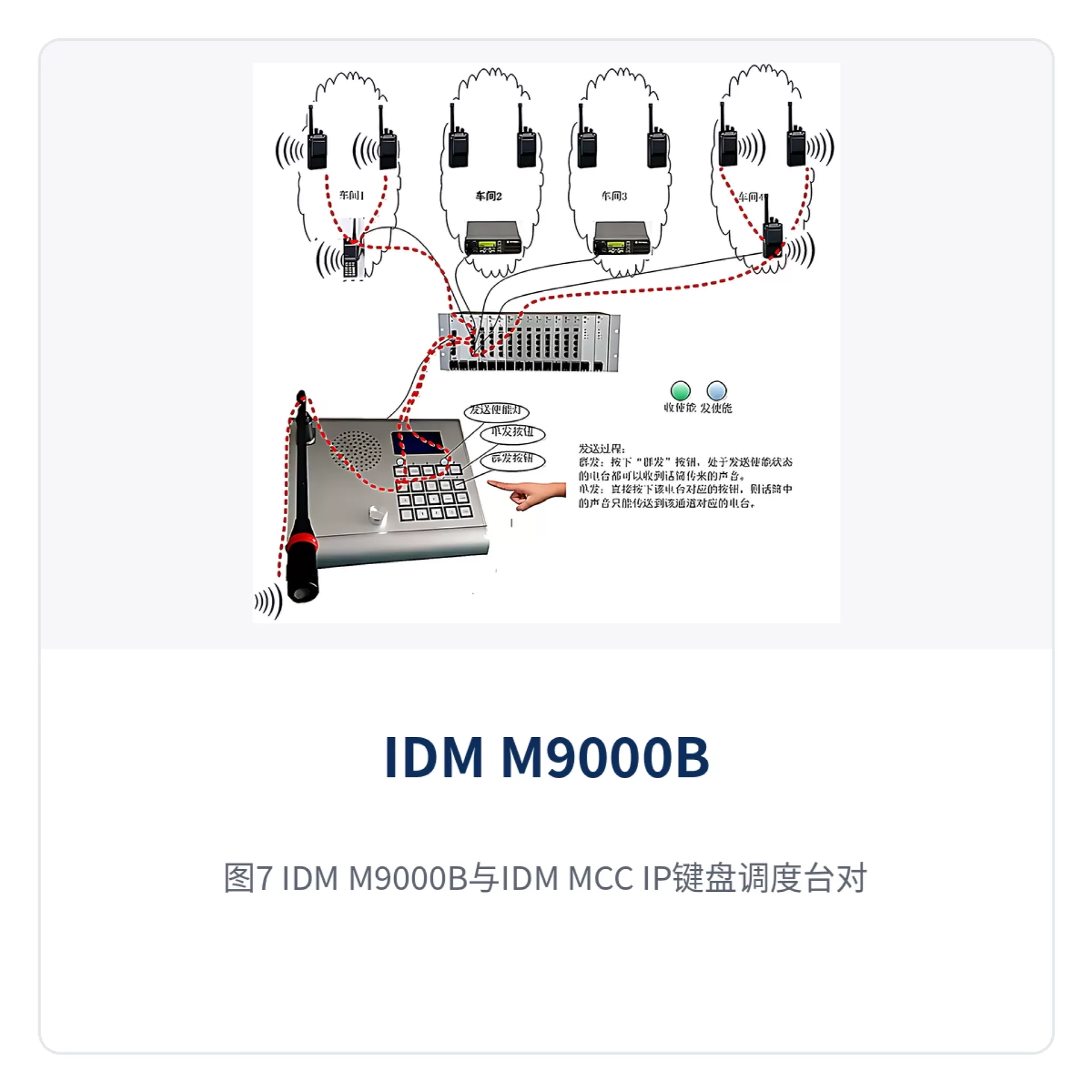
Figure 7: Diagram 1 of the intercom process between the IDM M9000B and the IDM MCC IP keyboard dispatch console
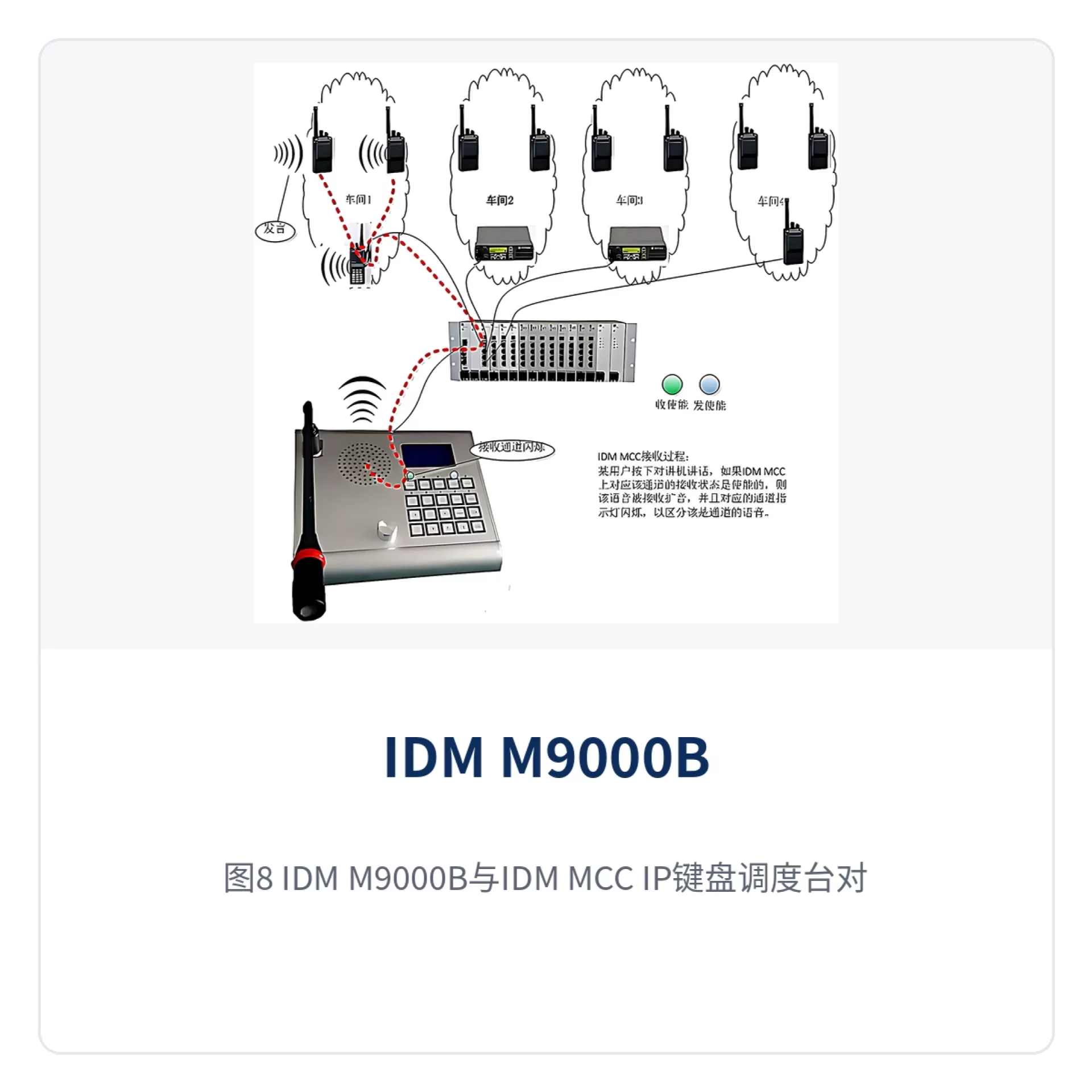
Figure 8: Diagram 2 of the intercom process between the IDM M9000B and the IDM MCC IP keyboard dispatch console
In addition, the IDM M9000B communication command and dispatch system supports networking with various Raytrans IP dispatch consoles. The dispatch console can be deployed over any IP channel, and both wired and wireless radio set users can be incorporated into a unified dispatching interface, so that seat expansion is not limited by the equipment room location.
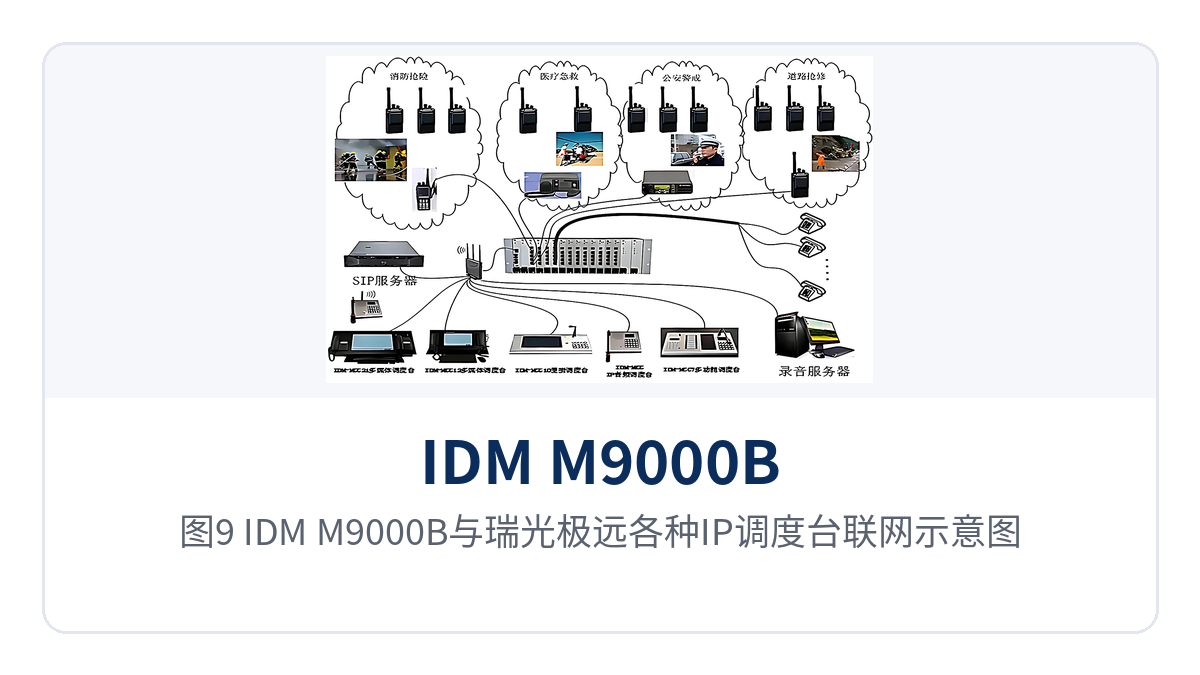
Figure 9: Diagram of networking between the IDM M9000B and various Raytrans IP dispatch consoles
How Do Multi-Unit Interconnection, Cascading Capacity Expansion and Optical Fiber Ring Networks Expand Capacity?
The IDM M9000 series converged communication command and dispatch system supports multi-unit networking. Each device can be connected to other devices of the same series through twisted pair, E1, or IP routing. A single unit can connect up to 48 radio sets or 120 telephone terminals, and can connect up to 60 channels of intercom terminals (including audio terminals at the local end and remote end). The number of same-class devices that can be connected to the remote end of the IDM M9000C depends on the number of trunk ports; with two E1 ports configured, it does not exceed 110 channels of loop-start trunk FXO ports. Multi-unit networking is suitable for echeloned command systems with multiple sites and multiple detachments. The node devices at each site operate independently while being interconnected, providing a flexible networking foundation for command and dispatch.
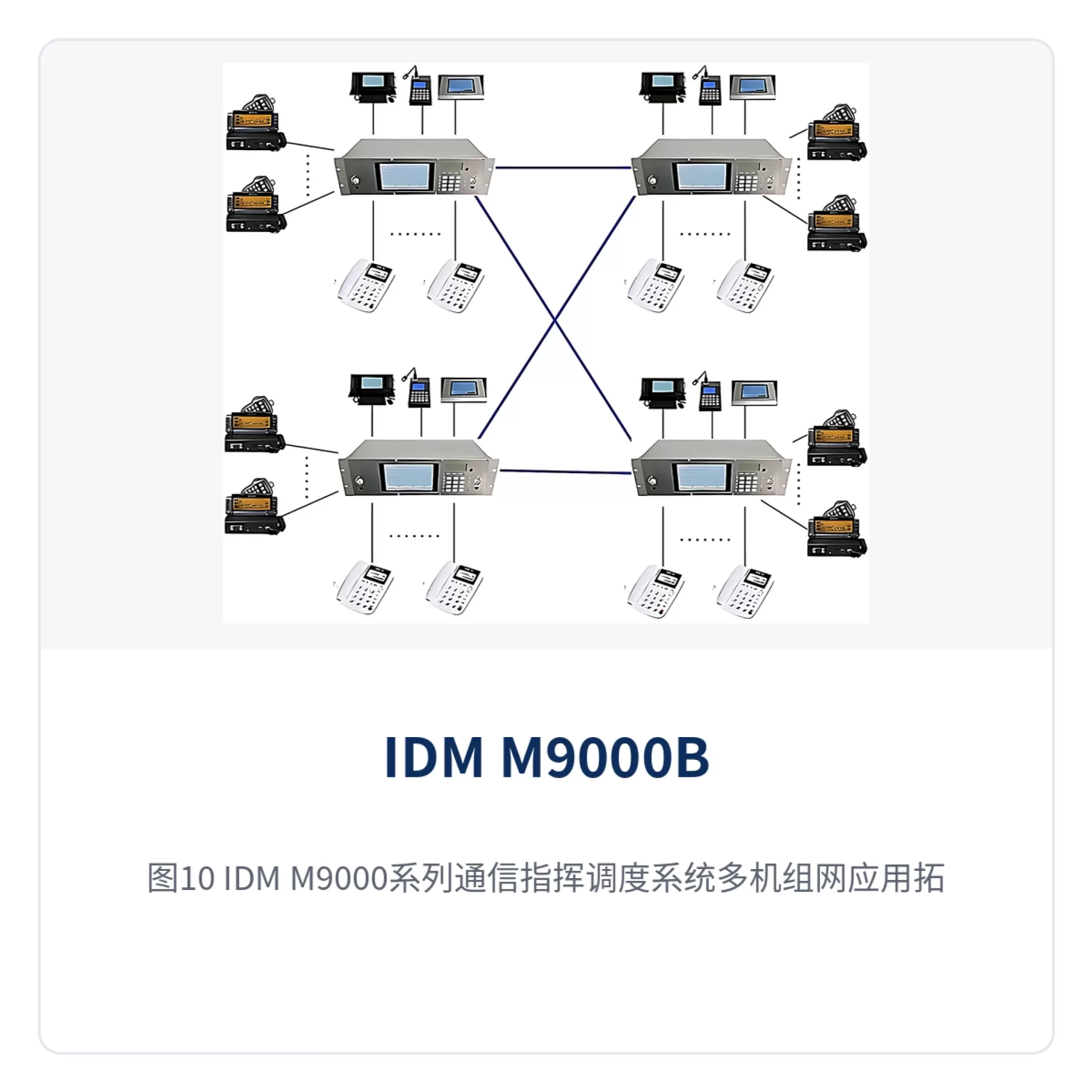
Figure 10: IDM M9000 Series Communication Command and Dispatch System Multi-Unit Networking Application Topology Diagram
When radio capacity needs to be expanded, the IDM M9000 series can perform multi-unit cascading capacity expansion through E1: the radio interface card provides 4-channel interfaces, and each E1 interface can expand 30 channels of radio interfaces. A device used for cascading expansion only serves as a PCM expansion interface, no longer provides dispatching switching functions, and has no operating panel, resulting in lower capacity expansion cost and maintenance complexity.
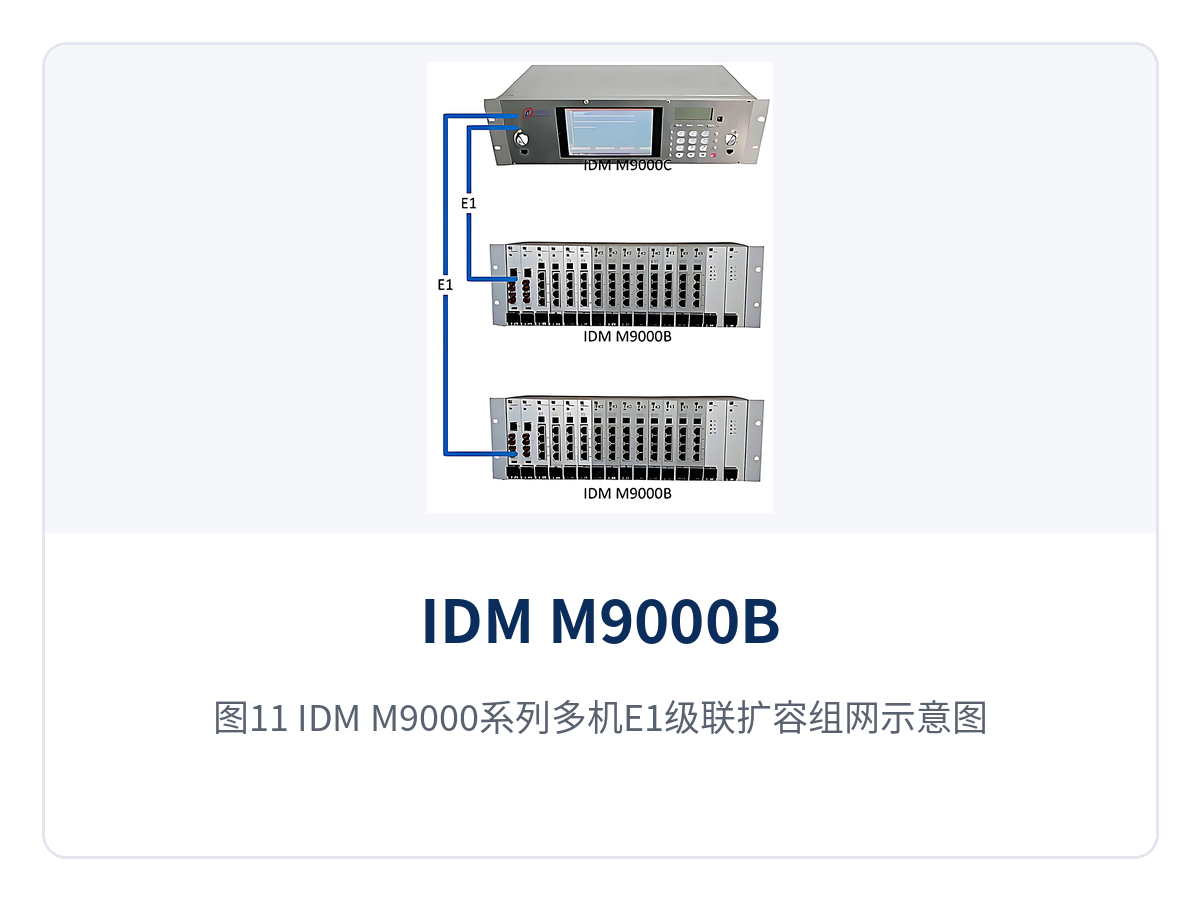
Figure 11: IDM M9000 Series Multi-Unit E1 Cascading Capacity Expansion Networking Diagram
In post deployment scenarios, the IDM M9000 series can implement audio and video surveillance command through an optical fiber ring network, providing access to 120 channels of wired and wireless systems. The advantage of the ring network is that if a fiber at some point in the middle is broken, normal communication is not affected; a call is connected as soon as the handset is lifted at the remote end, and images are displayed synchronously. Broadcast and transfer can be performed for each post, and telephones and trunking intercoms can monitor simultaneously, achieving a combination of mobile posts and fixed posts. The system supports up to 8 optical fiber rings, with every two rings sharing 30 channels of telephone; the ring network plug-in card is the IDM MPconv card, and the remote end connects to IDM NTD421 devices.
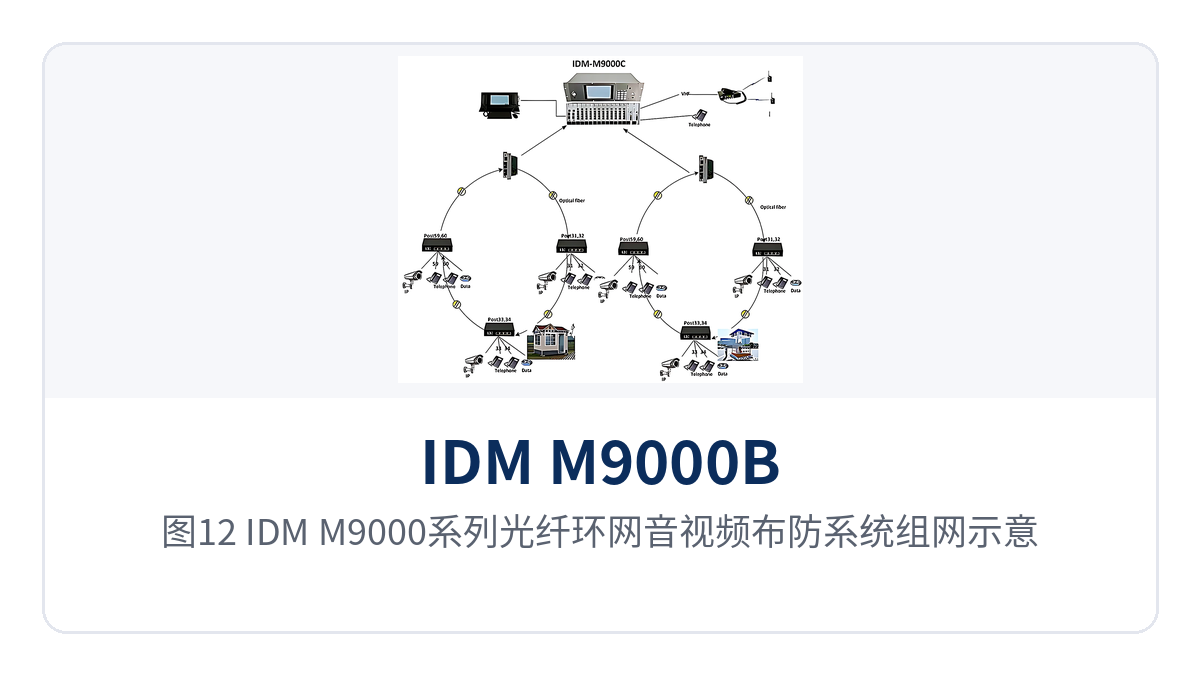
Figure 12: IDM M9000 Series Optical Fiber Ring Network Audio and Video Post Deployment System Networking Diagram
What command and dispatch functions does the system provide?
The core functions of the IDM M9000B communication command and dispatch system cover the complete chain from interface access to command operations. The specific role of each function is shown in the table below.
Function | Description |
|---|---|
Multiple formats of communication interfaces | Unified access for multiple interfaces such as radio, trunking, telephone, magneto, satellite, and IP |
Automatic and manual reconnection | Supports both automatic reconnection and manual call handling |
One-touch direct dispatching | Common command operations are completed with one touch, supporting one-touch group command operations |
Tablet remote control synchronous operation | Synchronous operation of dispatching functions through remote control terminals such as tablets |
Command recording and playback | Real-time recording and playback of the command process, leaving a trace of important instructions |
What are the features of the TDM-based hardware design?
Function | Description |
|---|---|
Baseband audio bridging | A bridging method with no reception and no transmission, providing reliable confidentiality |
Unified dispatching authority | Unified dispatching functions are operated by authorized consoles, ensuring safety and reliability |
Modular hot-swappable design | The modular structure supports hot swapping, allowing general-purpose modules to be replaced in real time |
Parameter memory retention | Saves the parameters set for modules, so replacing a module of the same class requires no reconfiguration of the frequency range |
Rapid networking | Rapidly forms temporary call networks and priority call networks, with multi-network switching and intercommunication capabilities |
Temporary monitoring | Rapidly establishes or removes temporary unattended monitoring |
Time-domain noise reduction | The device provides time-domain noise reduction and transmit/receive audio delay processing |
Voice-operated transmit detection | Supports VOX voice-operated transmit detection |
Voice modulation recognition | Supports VMR voice modulation recognition |
Dual-tone multi-frequency | Supports DTMF dual-tone multi-frequency detection and generation |
PSTN adaptive hybrid | Adaptive hybrid for the land public telephone network, compatible with telephone line echo scenarios |
RoIP and VoIP | Transmission of radio signals (RoIP) and voice signals (VoIP) over IP networks |
What dispatching operations can the dispatch console software perform?
The dispatch console software of the IDM M9000B converged communication command and dispatch system organizes its operating functions around command operations, covering call control, PA announcement, trunking intercom, and emergency management. The specific operating capabilities are shown in the table below.
Function | Description |
|---|---|
Basic functions | Click-to-call, call transfer, call forwarding, call park, call pickup, call grabbing, hold/resume, do not disturb (DND), blocking, night and holiday service policy setting |
Dispatching functions | Click-to-call, barge-in, forced release, call pickup, monitoring, talk disable, manual/automatic transfer, group call, talkgroup call, conference, dynamic grouping, hierarchical collaborative dispatching |
Broadcast functions | Broadcast, announcement, ambient monitoring; broadcast includes instant broadcast and scheduled broadcast, and the audio source can be an internal sound file, an external audio source or a TTS file |
Trunking intercom | Dispatch intercoms of different frequency bands, different models and different formats (digital/analog), with talk right control through the dispatch software interface |
Conference functions | Conference convening, conference reservation, conference member identity authentication, multiple conference groups, conference process monitoring |
SMS functions | Send short messages to internal IP phones, WiFi phones, multimedia terminals, GPS terminals and mobile phones on external mobile networks |
Electronic fax | Import fax files for batch sending; after receiving a fax, save the image and automatically send it to a specified mailbox |
Emergency plan | Pre-edit emergency plans for flood control, drought relief, explosion, firefighting, etc.; when an event occurs, click the plan button to quickly initiate dispatching work |
Monitoring functions | Display of missed calls, unregistered terminals and incoming call queuing, communication fault alarms and fault log management |
System management | Group management, account management, multi-level permission management, hotline management |
The multimedia interface and equipment form factor of the dispatch console are shown in the following figures. The dispatcher performs daily operations such as click-to-call, status viewing and conference organization through the graphical operator seat.
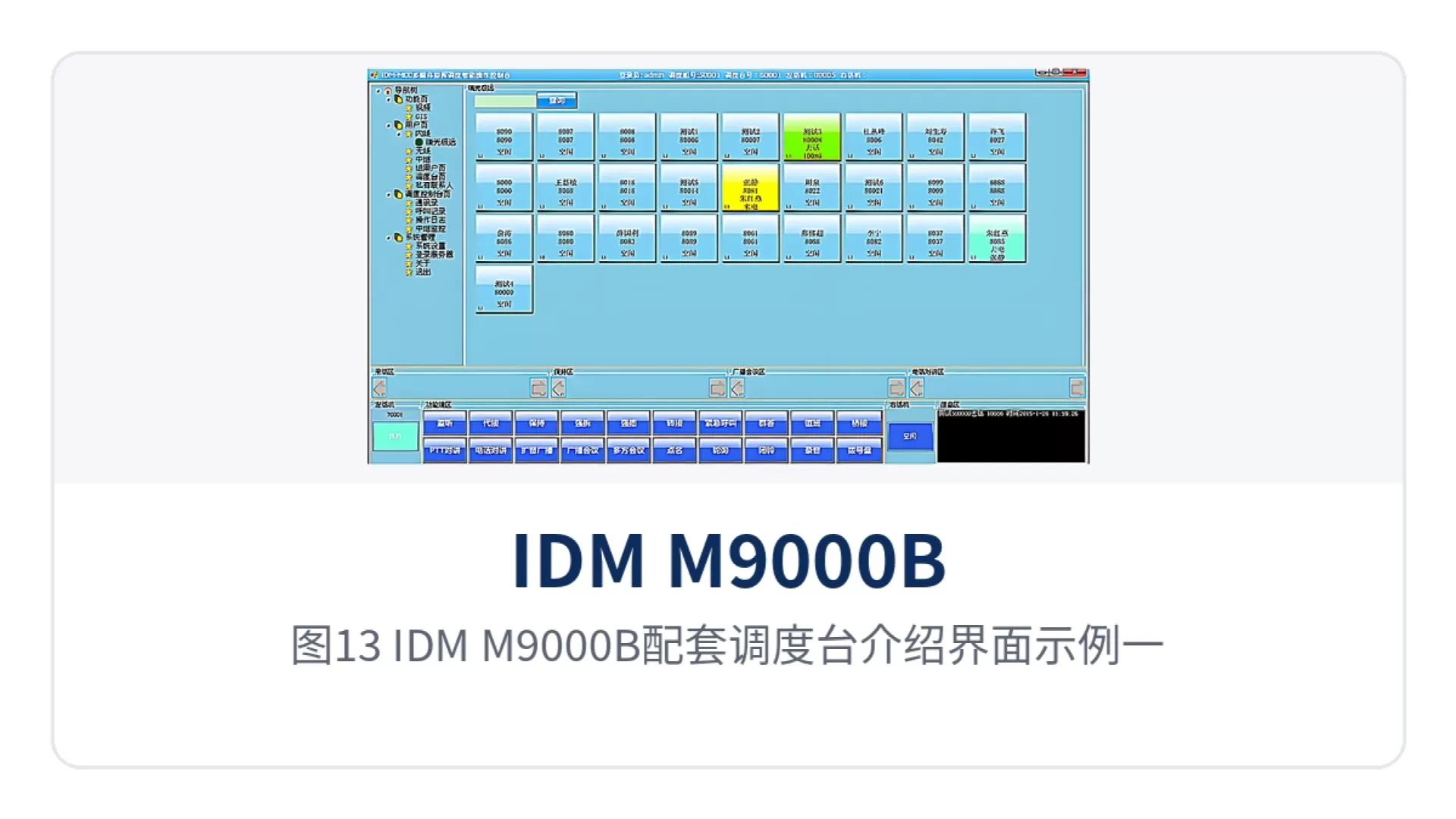
Figure 13: Example 1 of the IDM M9000B companion dispatch console introduction interface
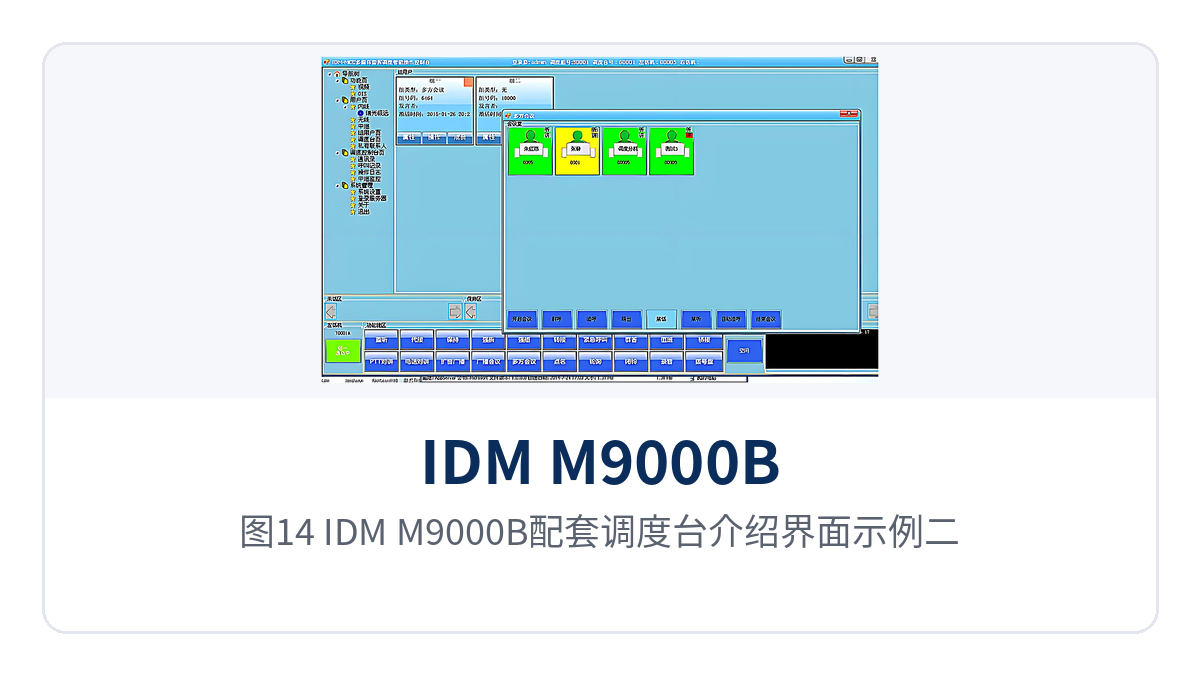
Figure 14: Example 2 of the IDM M9000B companion dispatch console introduction interface
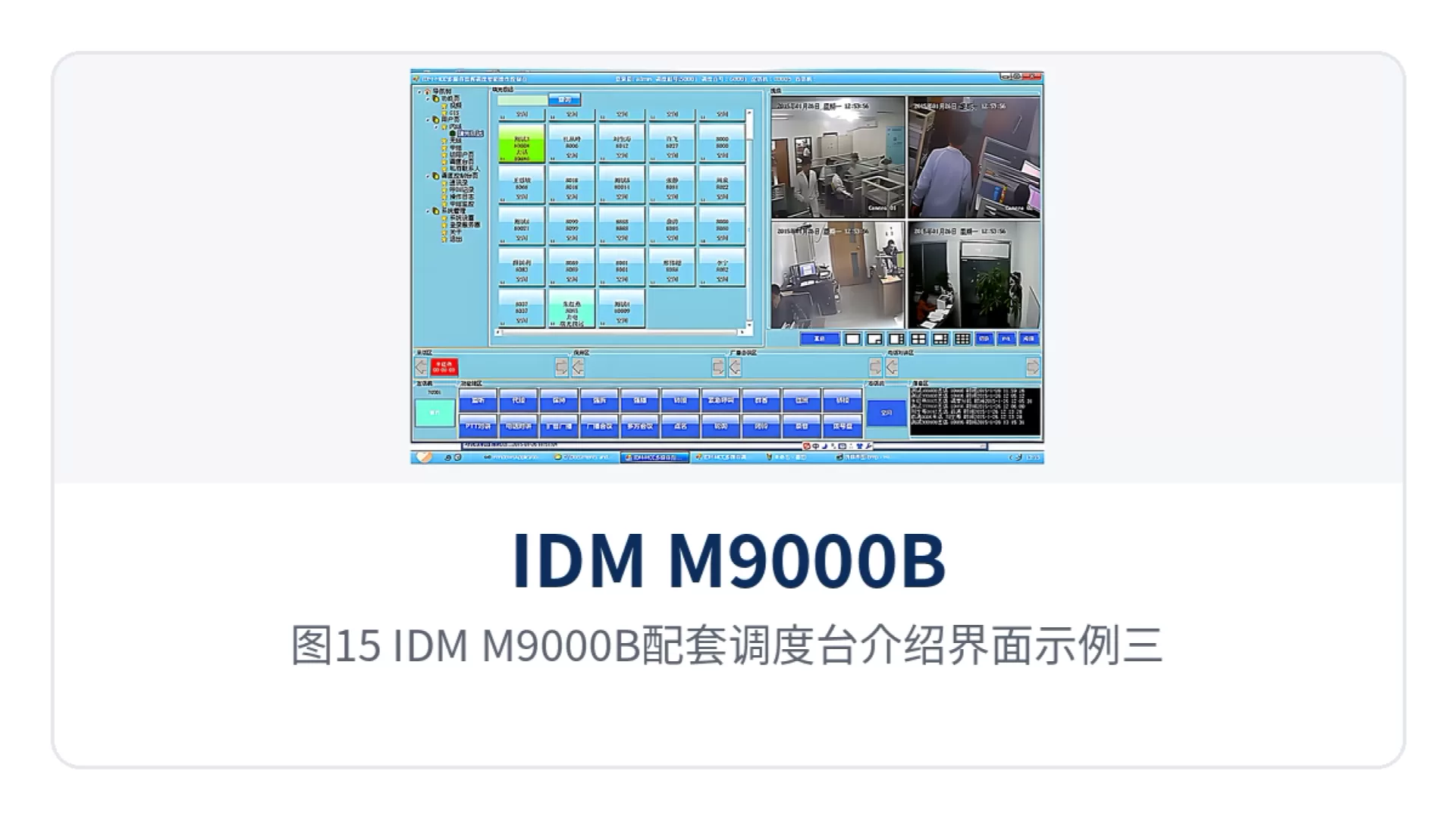
Figure 15: Example 3 of the IDM M9000B companion dispatch console introduction interface
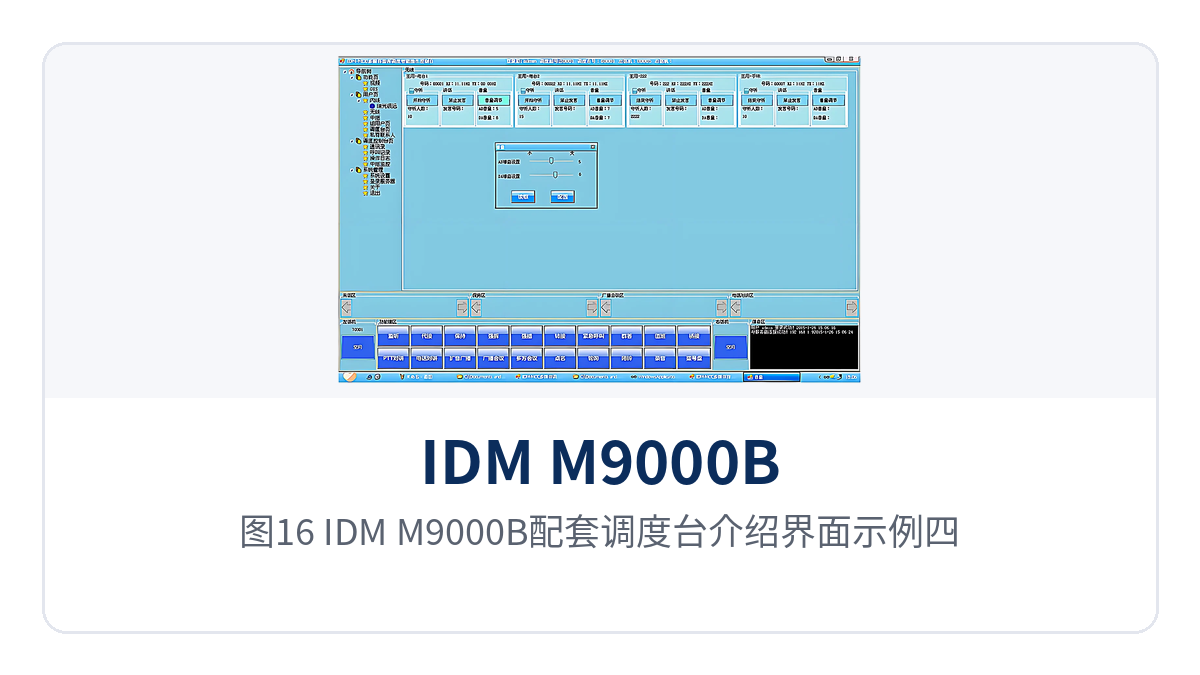
Figure 16: Example 4 of the IDM M9000B companion dispatch console introduction interface
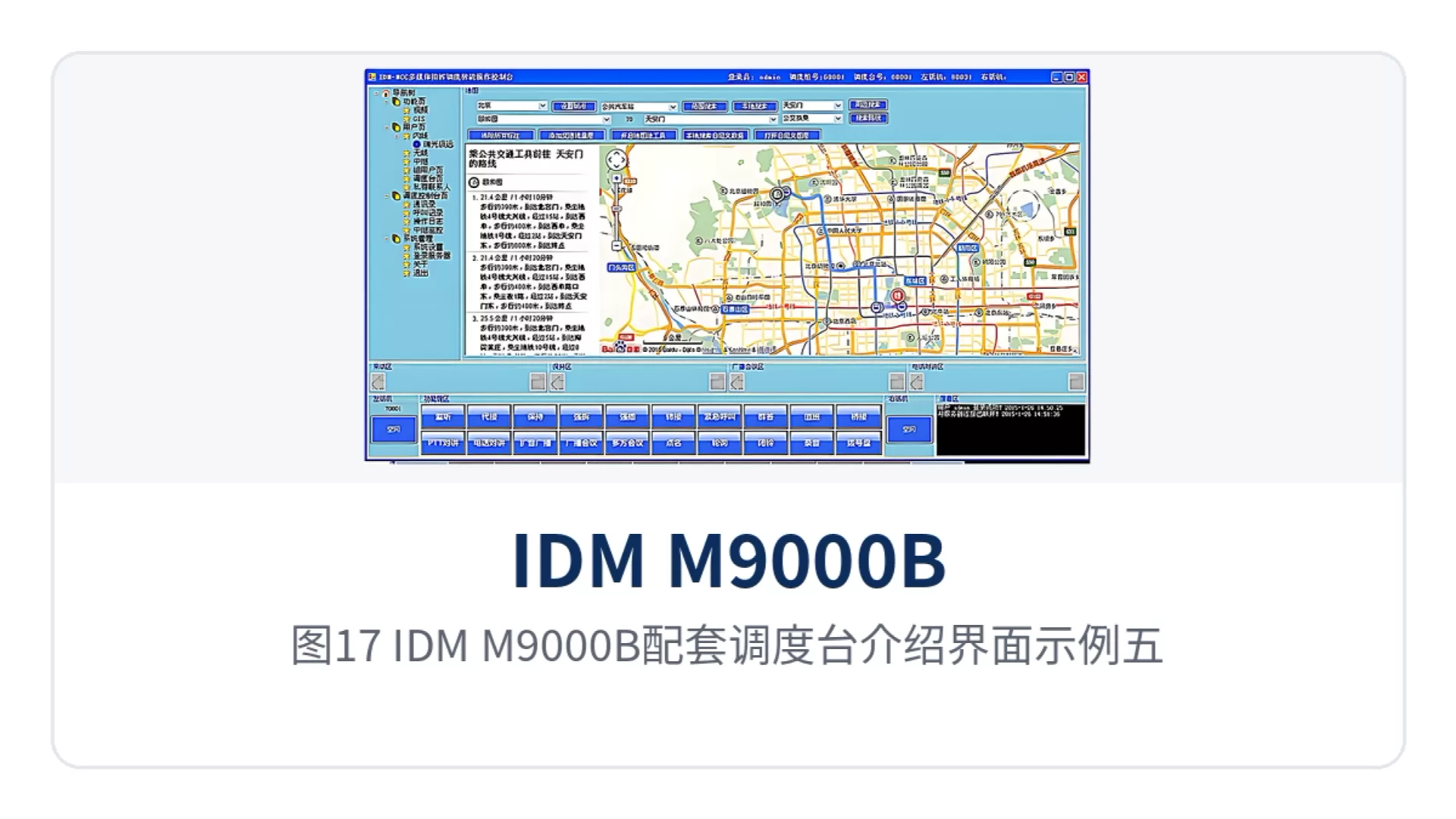
Figure 17: Example 5 of the IDM M9000B companion dispatch console introduction interface
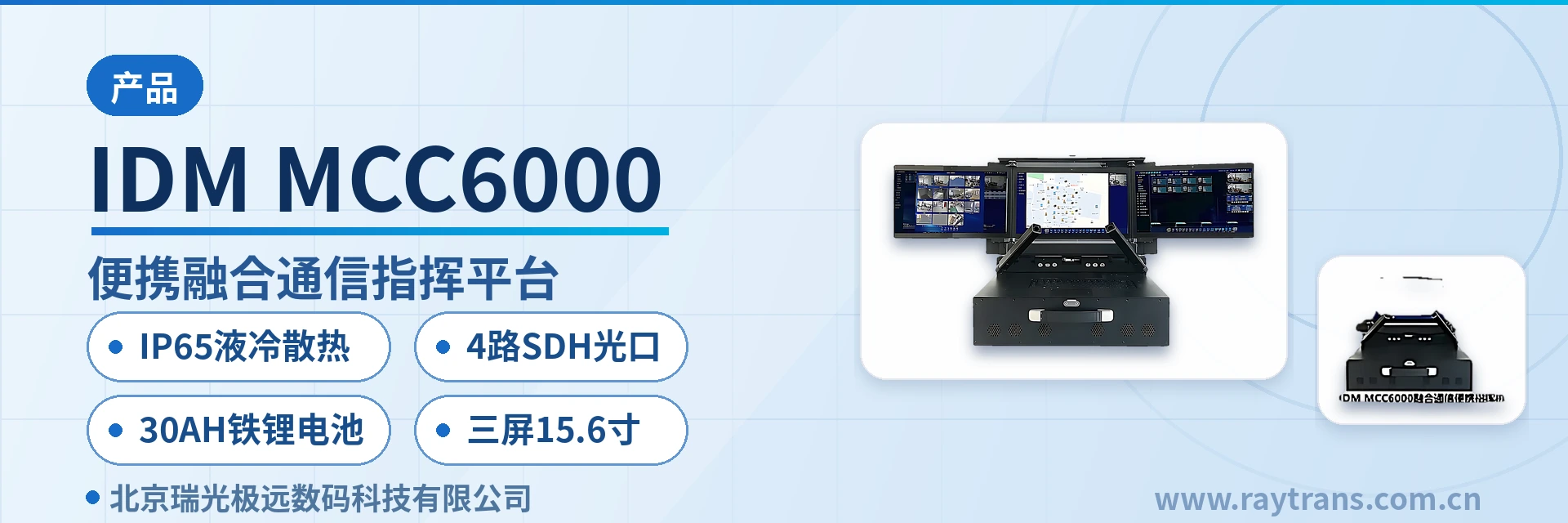
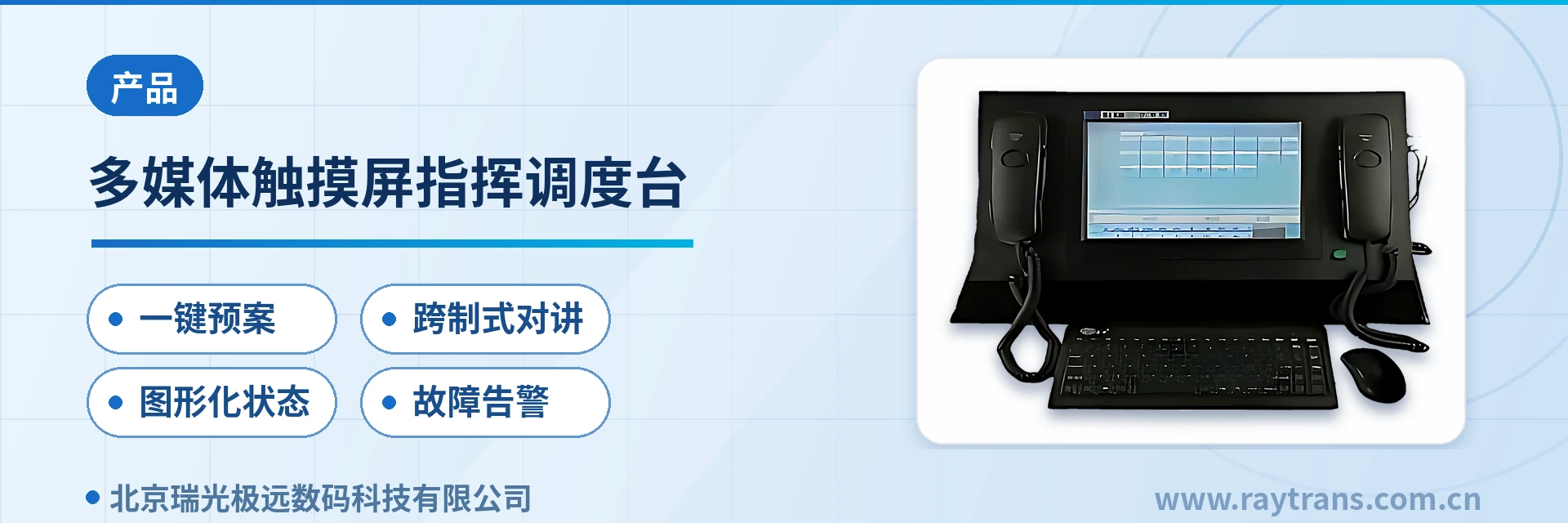
The IDM M9000B converged communication command and dispatch system can be equipped with a variety of Raytrans dispatch console models, and job roles such as the command center, duty console and mobile command can select models as required: the IDM-MCC21 multimedia dispatch console suits multimedia audio and video command operator seats, the IDM-MCC12 multimedia dispatch console suits routine audio and video dispatching, the IDM-MCC10 portable dispatch console is easy to carry in vehicles and in the field, the IDM-MCC telephone-line dispatch console accesses the system over a telephone line, the IDM-MCC Danish-key IP audio dispatch console provides IP audio Danish-key operation, and the IDM-MCC7 multi-function dispatch console integrates multiple dispatching operations.
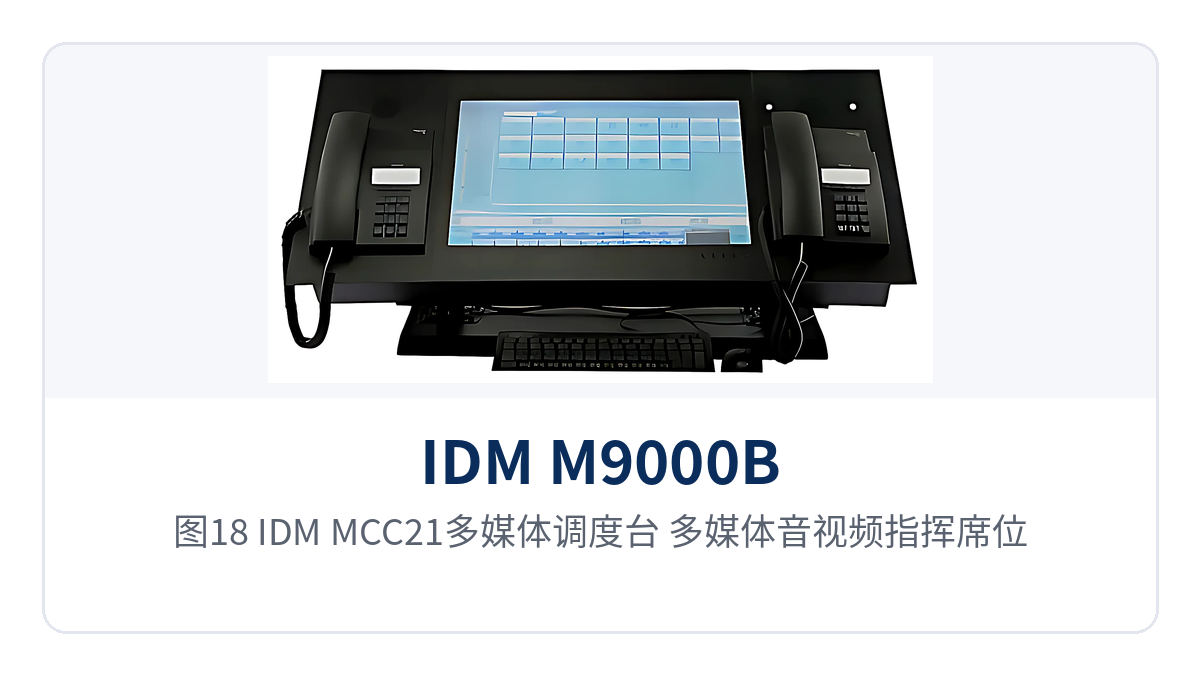
Figure 18: IDM-MCC21 multimedia dispatch console — multimedia audio and video command operator seat
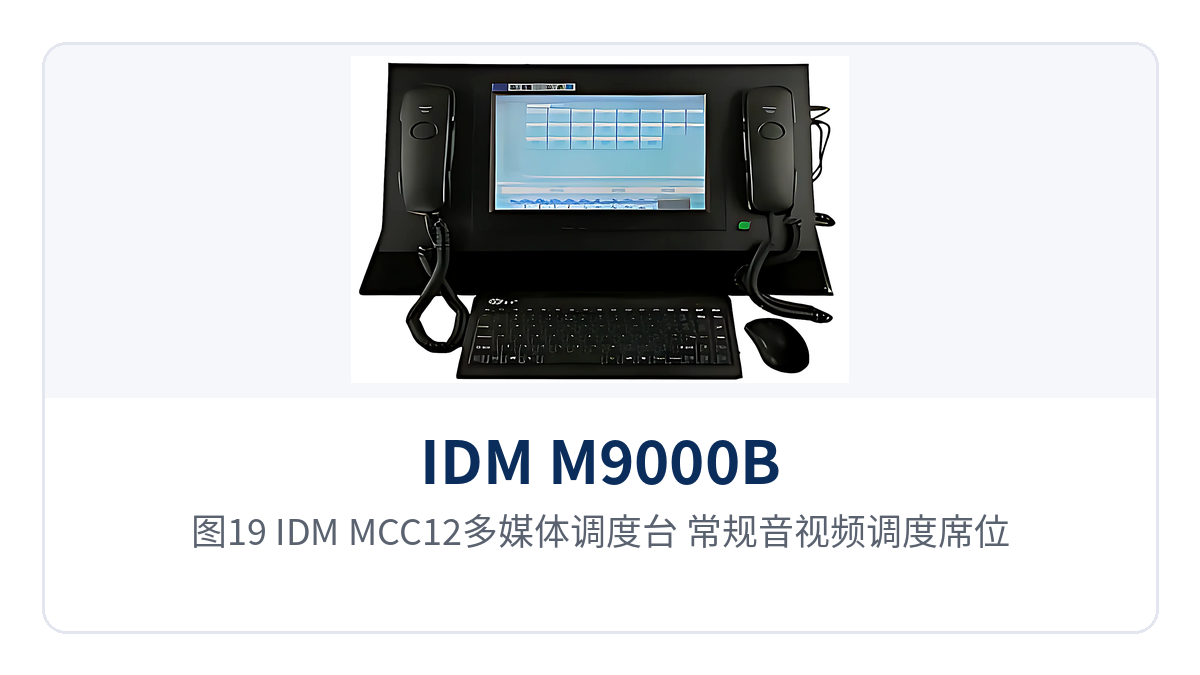
Figure 19: IDM-MCC12 multimedia dispatch console — routine audio and video dispatching seat
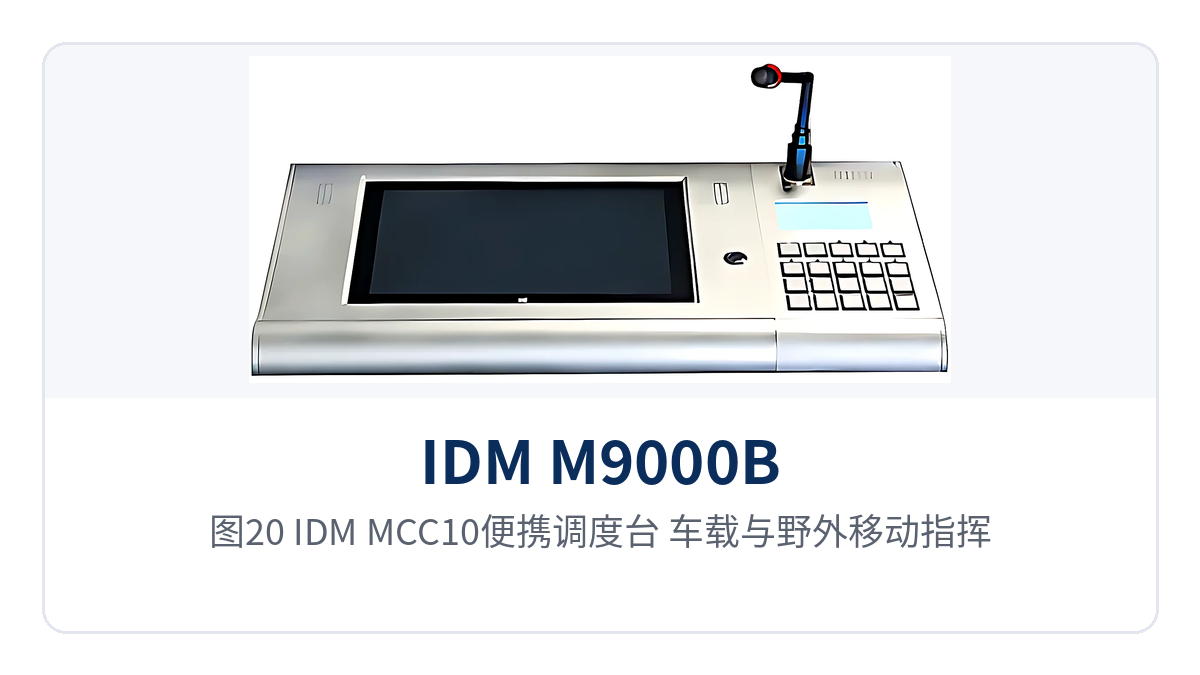
Figure 20: IDM-MCC10 portable dispatch console — vehicle-mounted and field mobile command
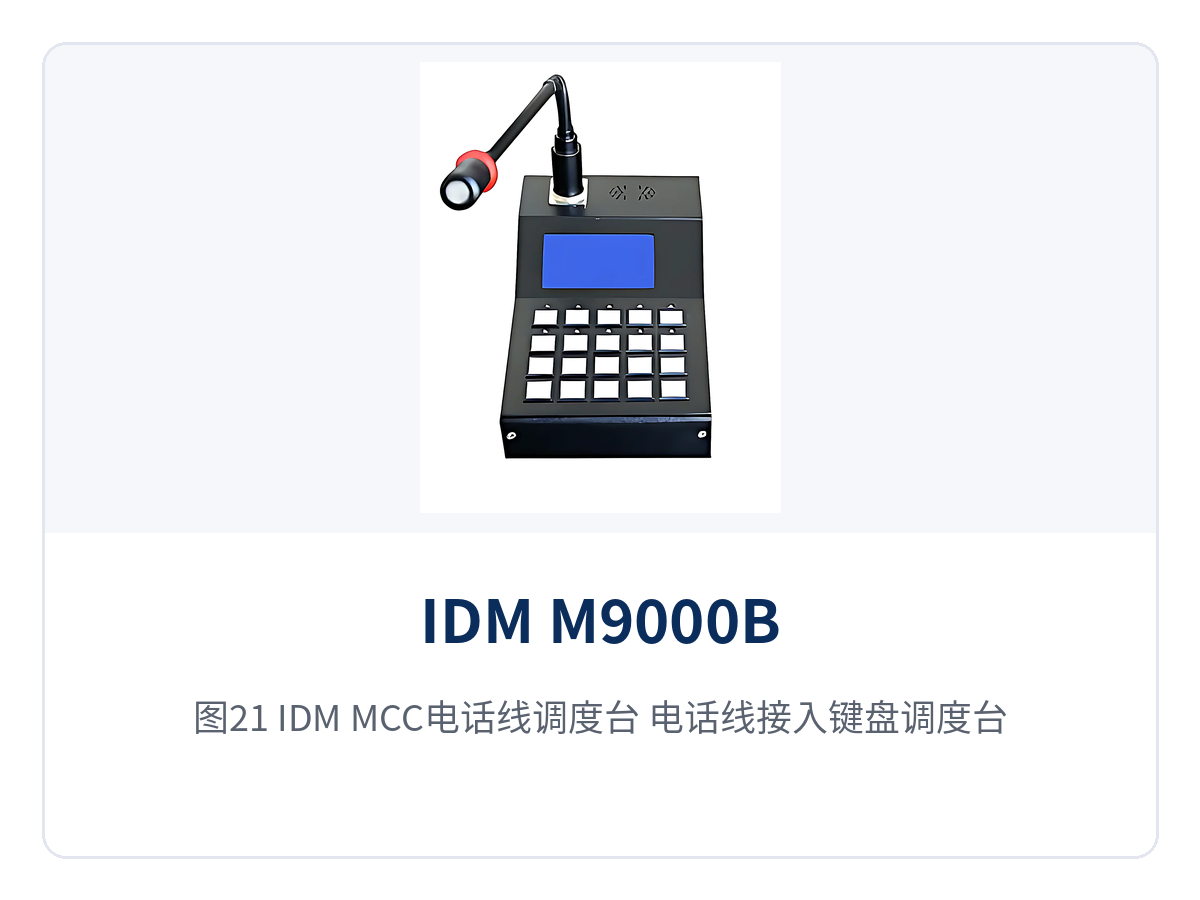
Figure 21: IDM-MCC telephone-line dispatch console — keyboard dispatch console accessed over a telephone line
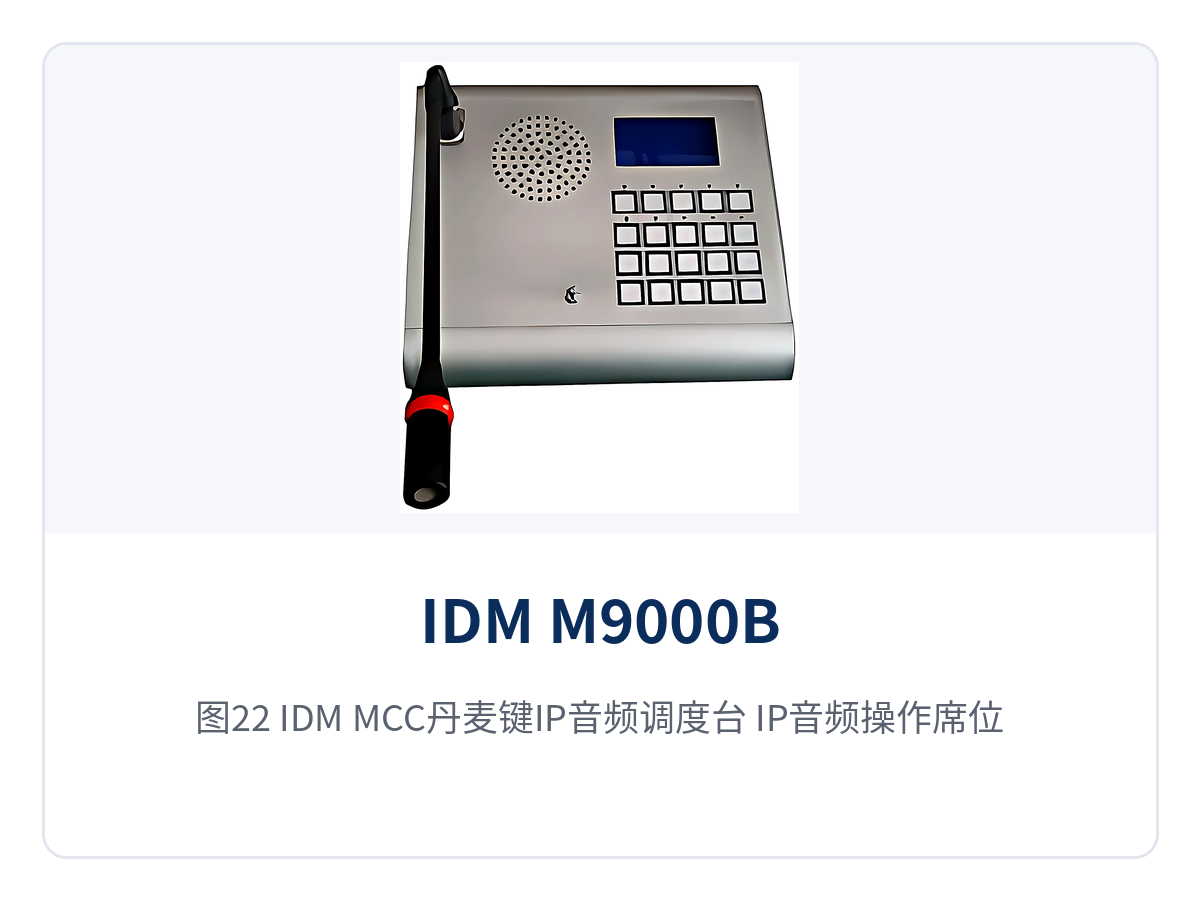
Figure 22: IDM-MCC Danish-key IP audio dispatch console — IP audio operation seat
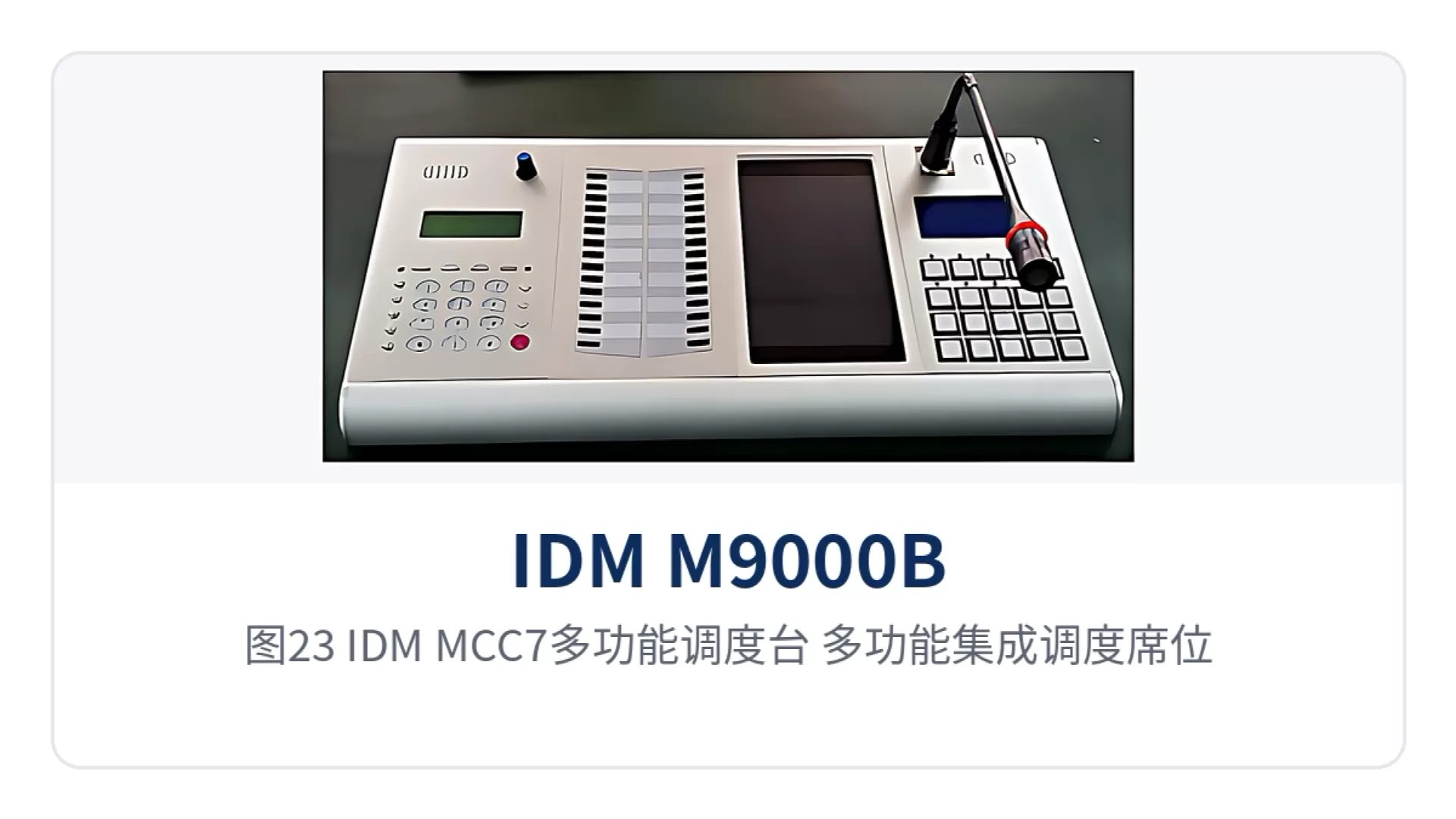
Figure 23: IDM-MCC7 multi-function dispatch console — multi-function integrated dispatching seat
What Are the Roles of the SIP Magneto Gateway and the SIP Telephone Access Gateway?
In the IDM M9000B converged communication command and dispatch system, a SIP magneto telephone access gateway (IDM-MAGgate) is required between the IP network and magneto telephones to complete interface conversion, meeting the SIP protocol standard. The IDM-MAGgate telephone gateway provides 2 magneto telephone interfaces and supports line fault detection; its Ethernet electrical interface is a 10/100BASE-T full-duplex, half-duplex adaptive RJ45 connector, compliant with IEEE 802.3, 802.1P and 802.1Q; its Ethernet optical interface is 10/100BASE-FX with an FC interface. Through this gateway, remote field magneto telephones can access the IDM M9000B dispatching platform over the IP network, achieving long-distance extension of magneto telephones.
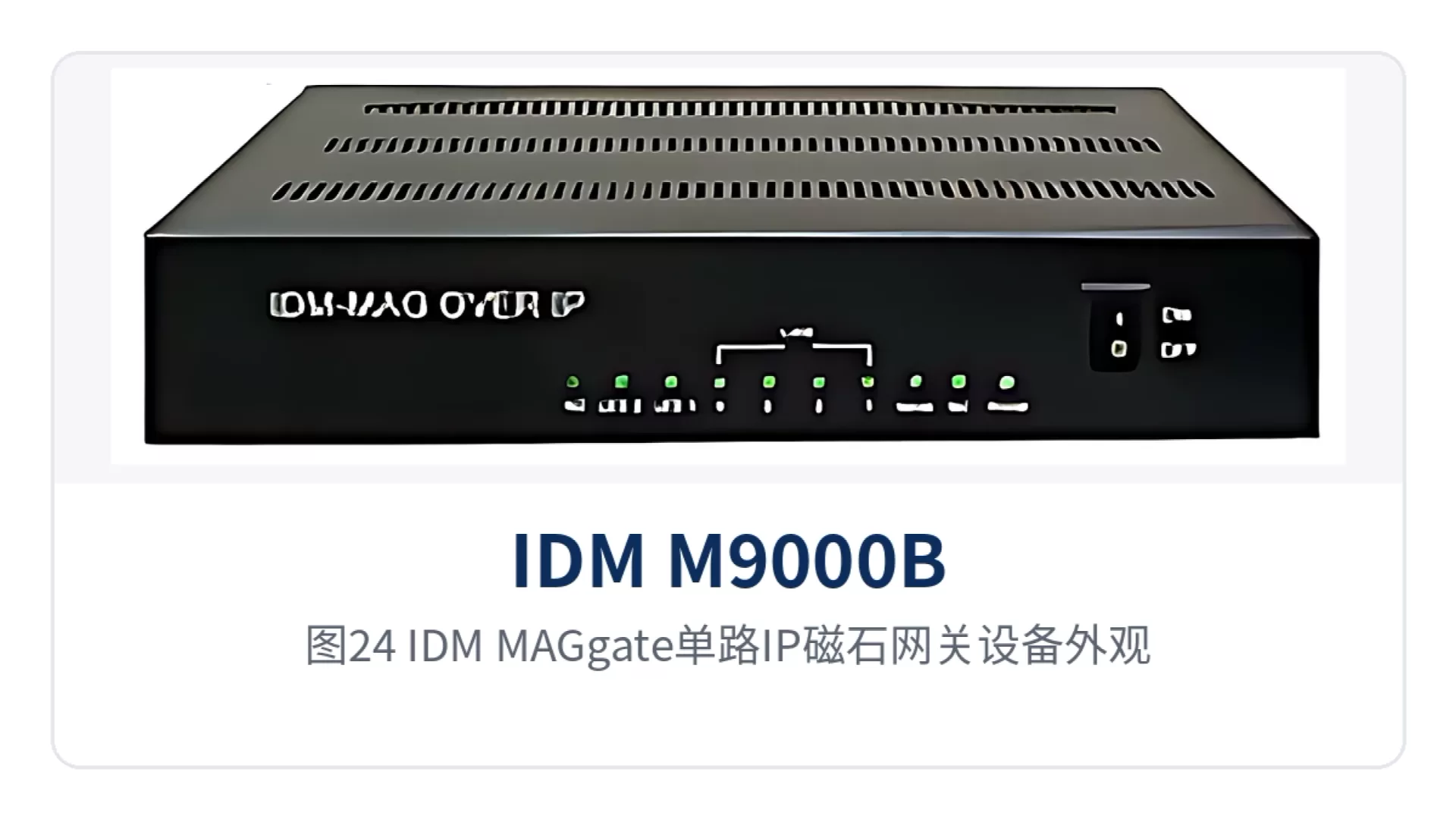
Figure 24: Appearance of the IDM-MAGgate single-channel IP magneto gateway
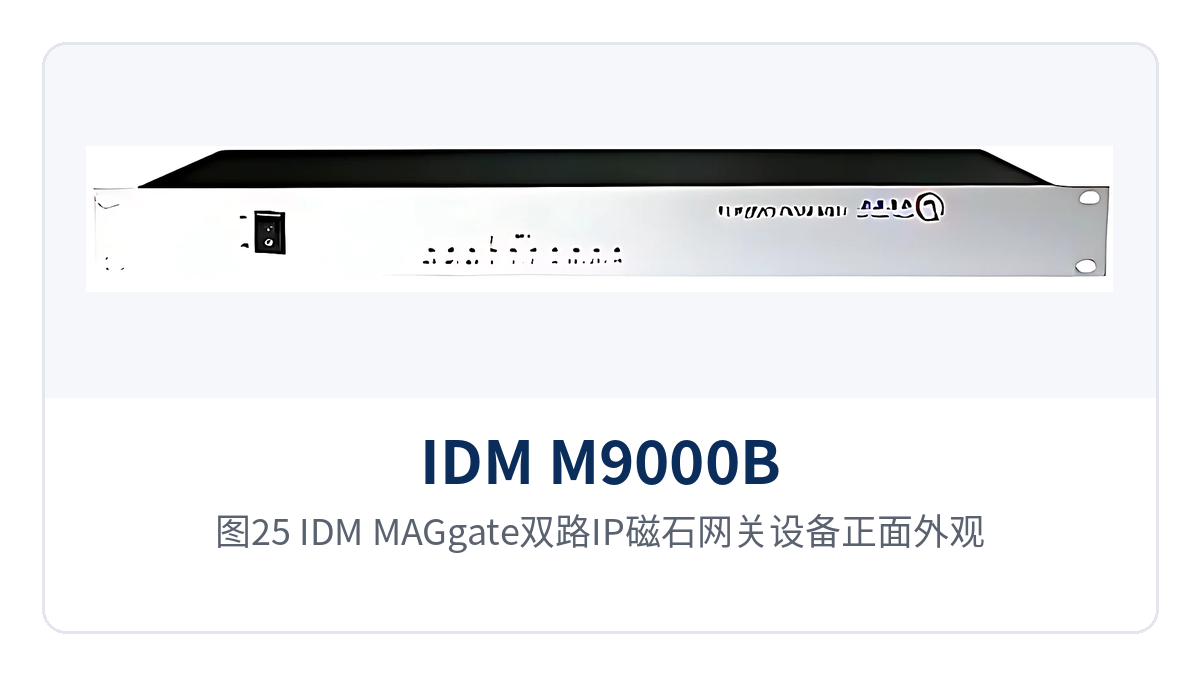
Figure 25: Front appearance of the IDM-MAGgate dual-channel IP magneto gateway
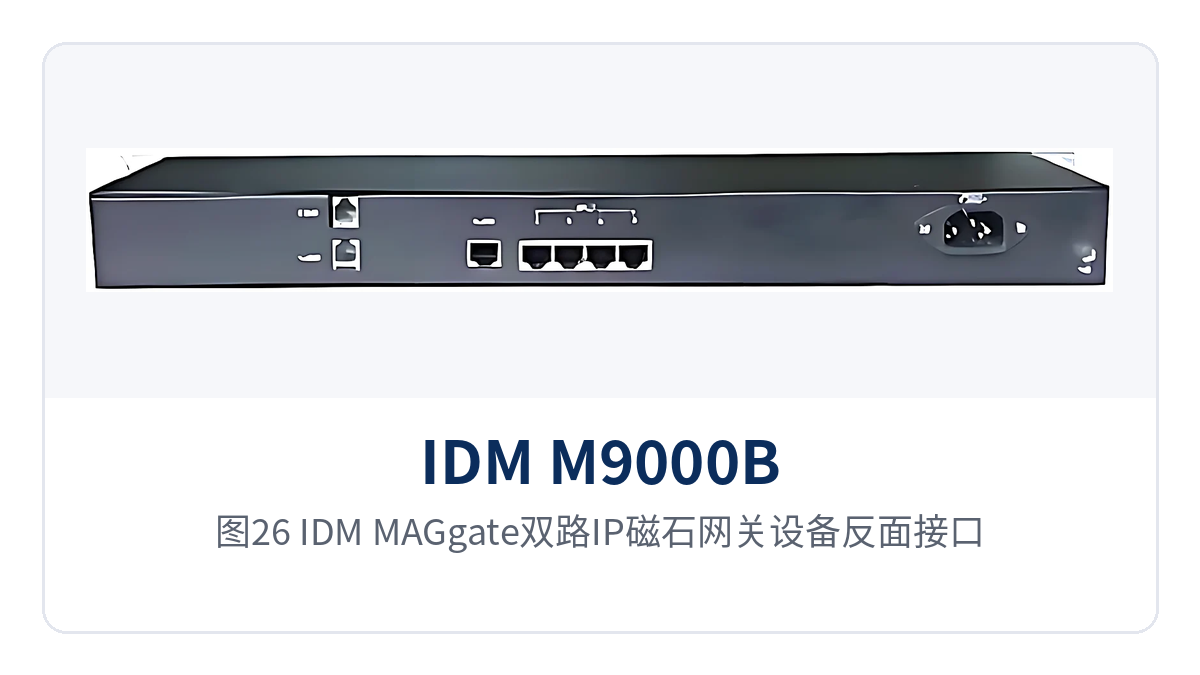
Figure 26: Rear interfaces of the IDM-MAGgate dual-channel IP magneto gateway
In the IDM M9000B converged communication command and dispatch system, conversion between the IP network and analog telephones is performed by the IDM IAD02 integrated access gateway, which also meets the SIP protocol standard and can interconnect with standard SIP softswitch systems, providing VoIP and FoIP solutions for carriers, enterprises and residential community users. The IDM IAD02 provides 1 WAN port and 4 LAN ports; the WAN port supports an electrical port (RJ45) and an optical port (FC), and in the optical interface form it can intercommunicate with a 100M media converter; it provides 2 analog telephone interfaces (FXS) and 1 escape interface (FXO), where one telephone can dial "0" to reach the PSTN (or the PSTN connection mode can be set through the network management system), and when power fails this telephone automatically connects to the PSTN network, ensuring that basic telephone service remains available after a power failure.
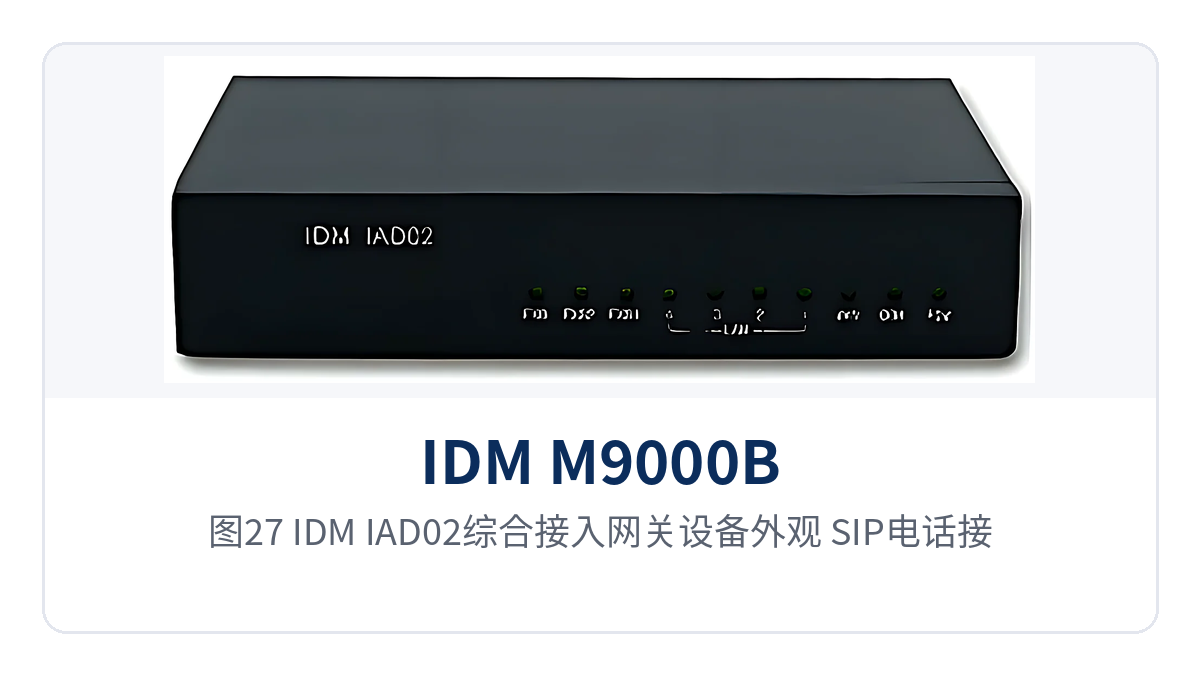
Figure 27: Appearance of the IDM IAD02 integrated access gateway — SIP telephone access gateway
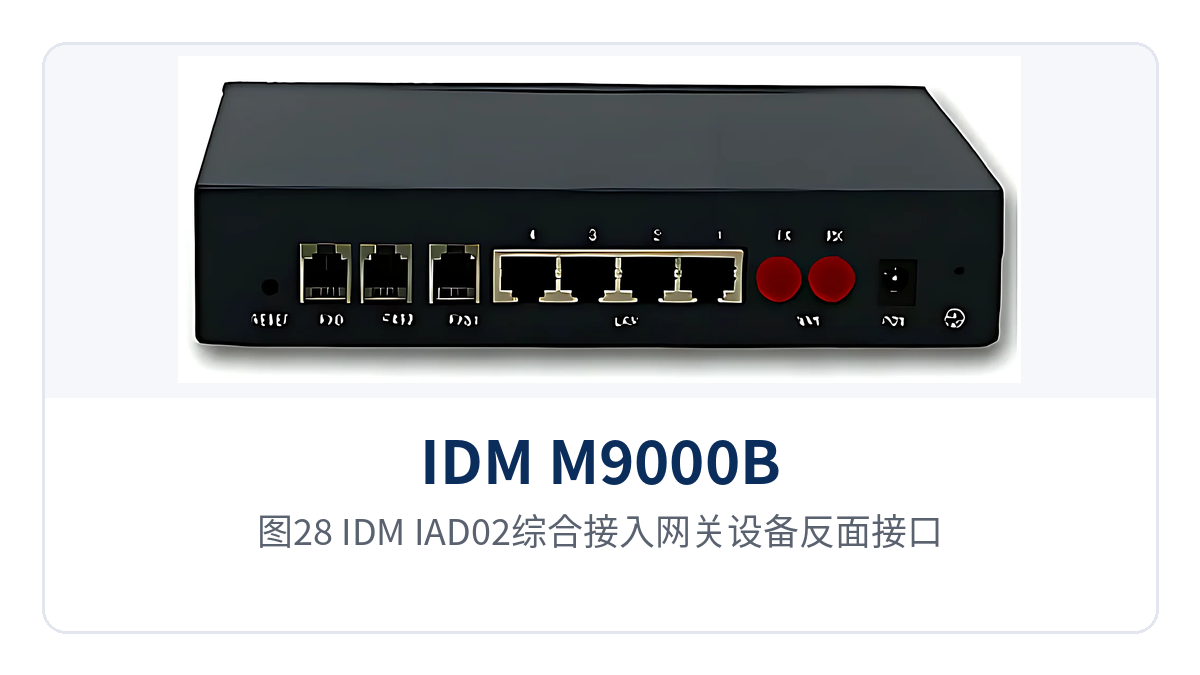
Figure 28: Rear interfaces of the IDM IAD02 integrated access gateway
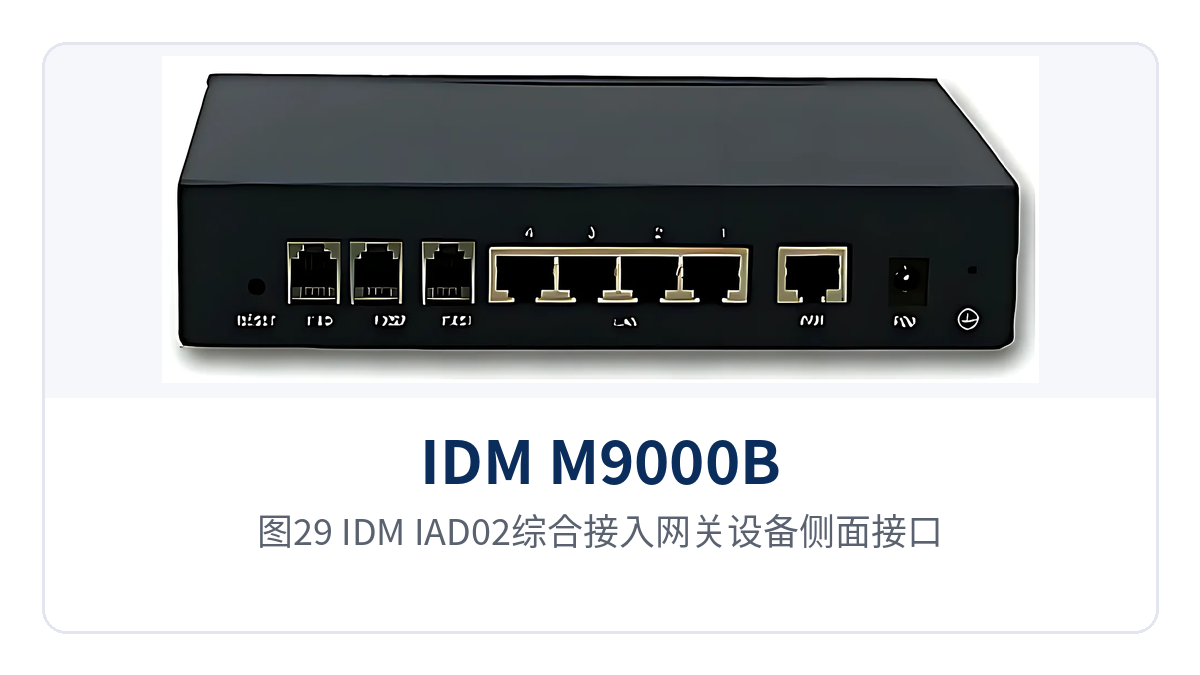
Figure 29: Side interfaces of the IDM IAD02 integrated access gateway
How Are Audio and Video Collaborative Dispatching and Video Transmission Implemented?
The IDM-MCC command and dispatch system can achieve coordinated audio and video dispatching, commonly known as audio and video dispatching. It binds telephone numbers or the ID numbers of wireless intercoms to the corresponding video, so that the sound and image of the target area can be displayed synchronously, and the dispatcher can view audio and video dispatching information synchronously on the IDM MCC dispatch console. Video transmission falls into two modes: IP private network video transmission and IP public network video transmission. The IP private network has sufficient bandwidth and can transmit high definition images; the IP public network uses WiFi access, and the portable video terminal can directly insert a SIM card or be equipped with a wired-to-WiFi wireless router, supporting 3G and 4G access from the three major carriers. In private network scenarios, wireless bridges in the 450M, 900M, 2.4G and 5.8G frequency bands can be used for coverage. The 450M COFDM wireless bridge supports non-line-of-sight (NLOS) long-distance transmission (1080km) and has strong penetration capability, while the 900M wireless bridge has non-line-of-sight transmission capability and line-of-sight (LOS) transmission of 35km; for different environments such as airports and firefighting, wireless bridges should be selected according to coverage distance and bandwidth requirements.
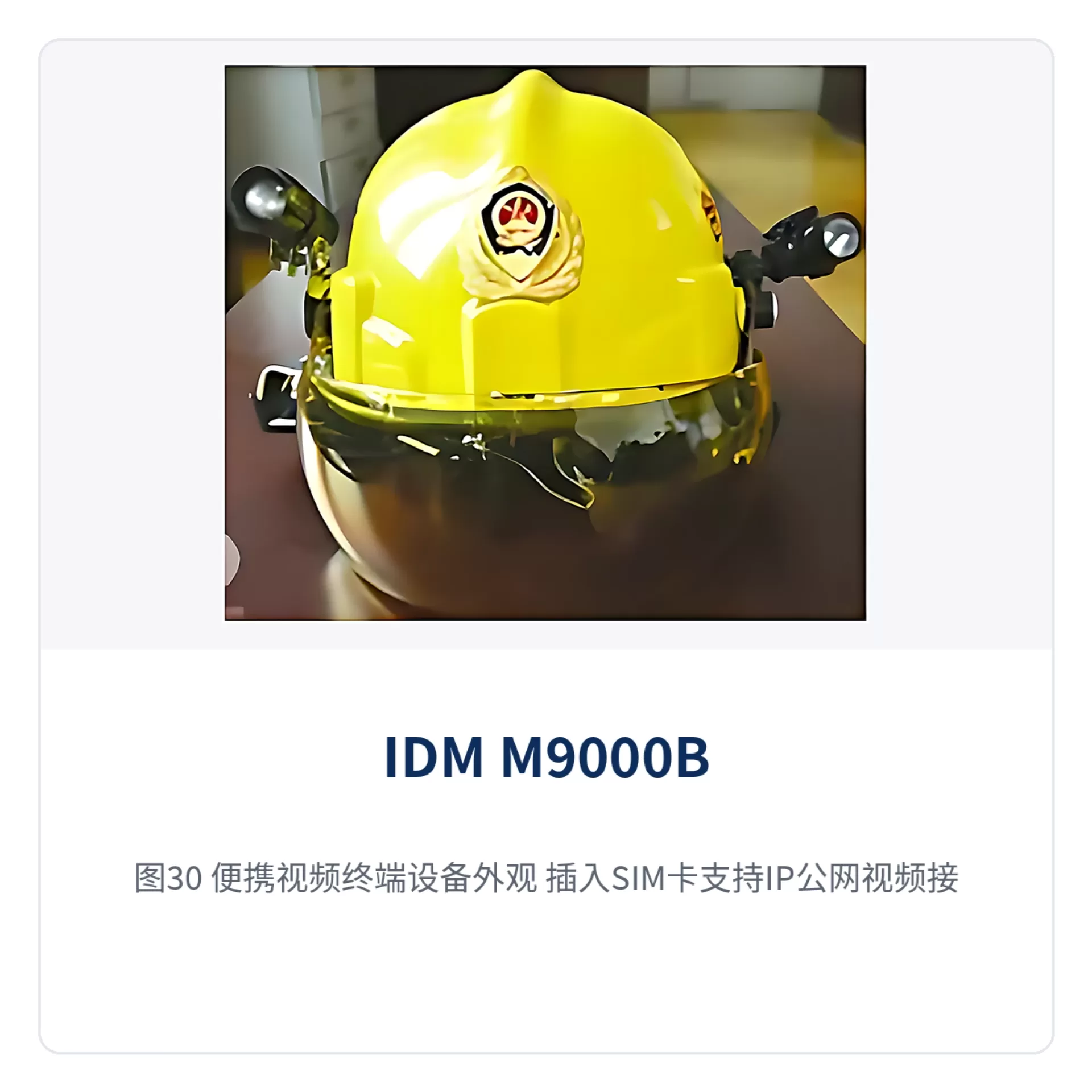
Figure 30: Appearance of the portable video terminal — insert a SIM card to support IP public network video input
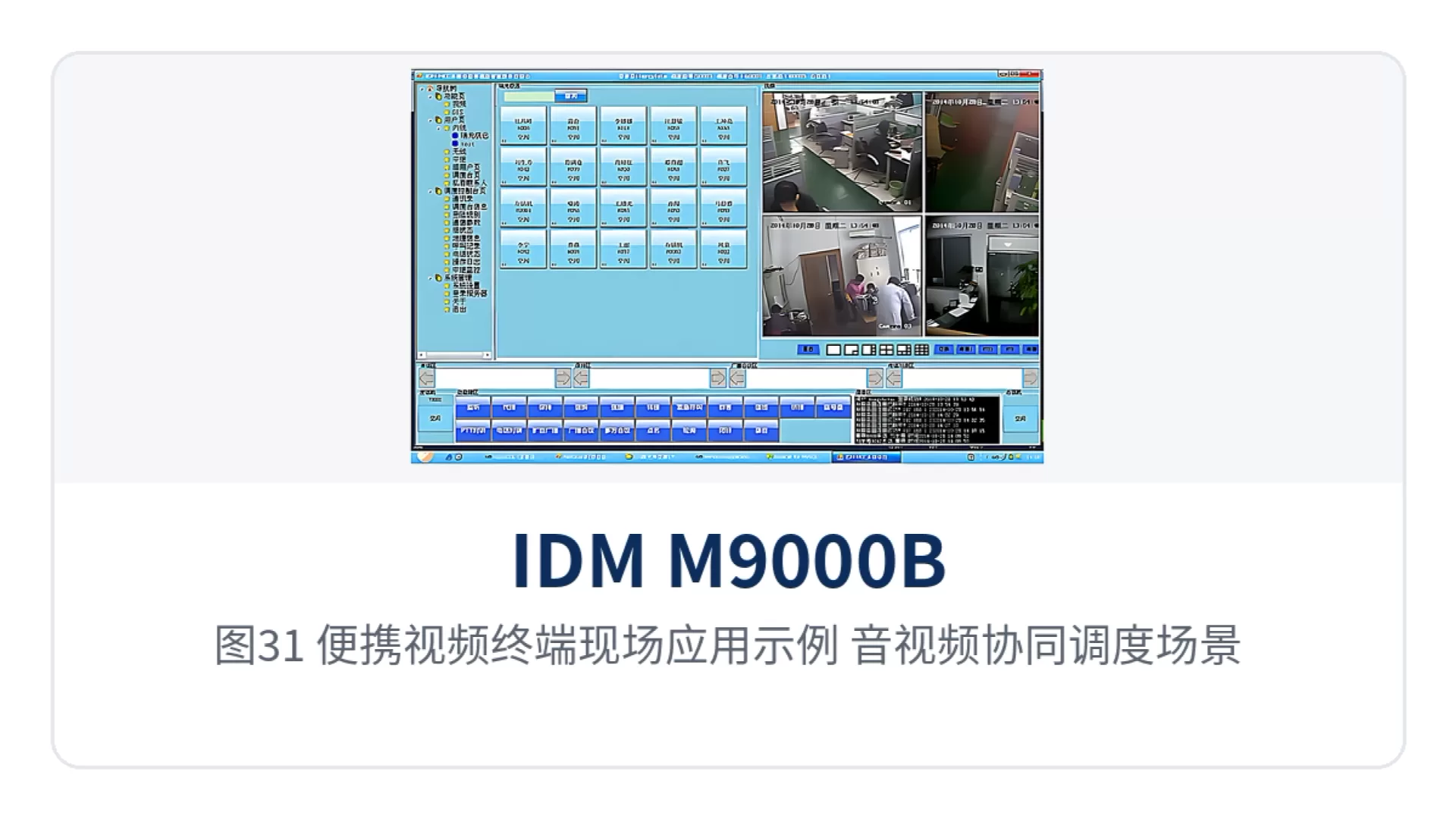
Figure 31: Field application example of the portable video terminal — audio and video collaborative dispatching scenario
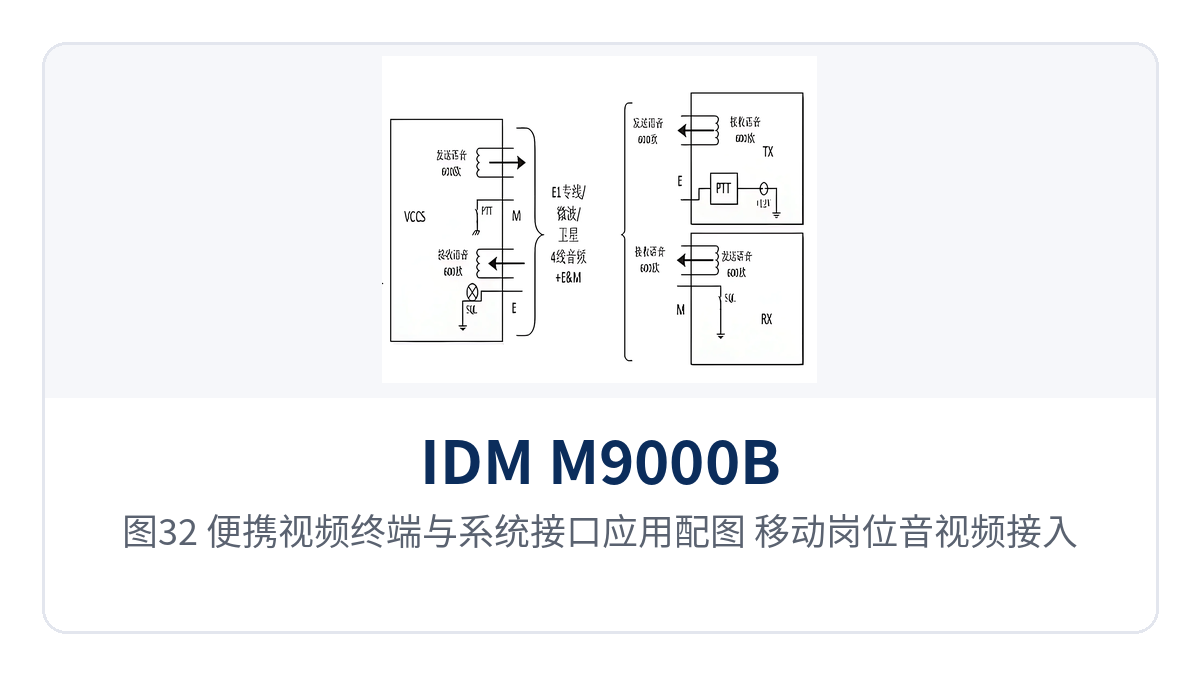
Figure 32: Application diagram of the portable video terminal and system interfaces — audio and video input for mobile job roles
Board and Interface Details: VHF Radio Interface Card and Trunking Control Card
The audio signals of the VHF radio interface card are 600Ω balanced output or input, adjustable from -30dBm to +10dBm; the VHF radio control signal PTT is normally a positive DC voltage to ground, and when activated, the positive voltage is connected to ground. When VHF equipment is connected to access equipment, the interface standard requires E&M signaling to be Type II or Type V, and to comply with China's communications industry standard D610-93; aviation administration VHF interfaces also require that line transmission bit errors do not affect radio operation, E1 line loopback alarms and release, multiple E&M interfaces controlling the same radio without mutual interference, and VHF radio continuous transmission time not exceeding 2 minutes. When multiple PCM equipment controls the same VHF interface, different equipment may have different power supply voltages and different E&M control circuits; the E&M interface of the IDM M9000B communication command and dispatch system adopts voltage-difference threshold redundancy or anti-backfeed components to prevent false operation of the control line.
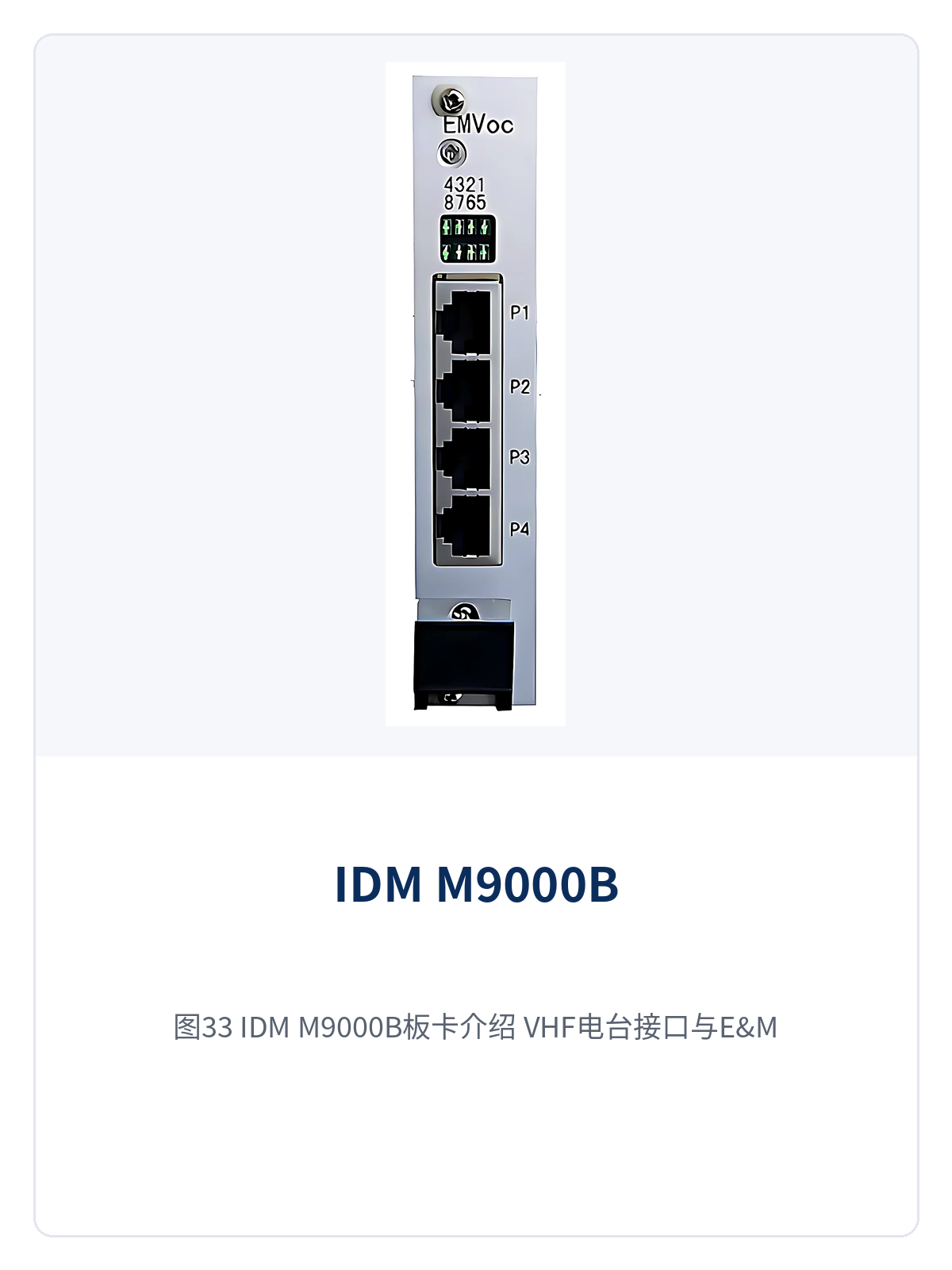
Figure 33: IDM M9000B Board Introduction — VHF Radio Interface and E&M Signaling Access Diagram
The trunking control card is similar to the VHF interface card, and both belong to the E&M category of interfaces; trunking radio sets are numerous in type and diverse in interface voltage, so the trunking control card adopts a design that distinguishes interface voltage polarity but not voltage magnitude, making it compatible with a variety of trunking radio interfaces. The IDM M9000B communication command and dispatch system also adopts line signaling filtering, port voltage difference elimination modules and other processing to ensure stable trunking and radio control signals.
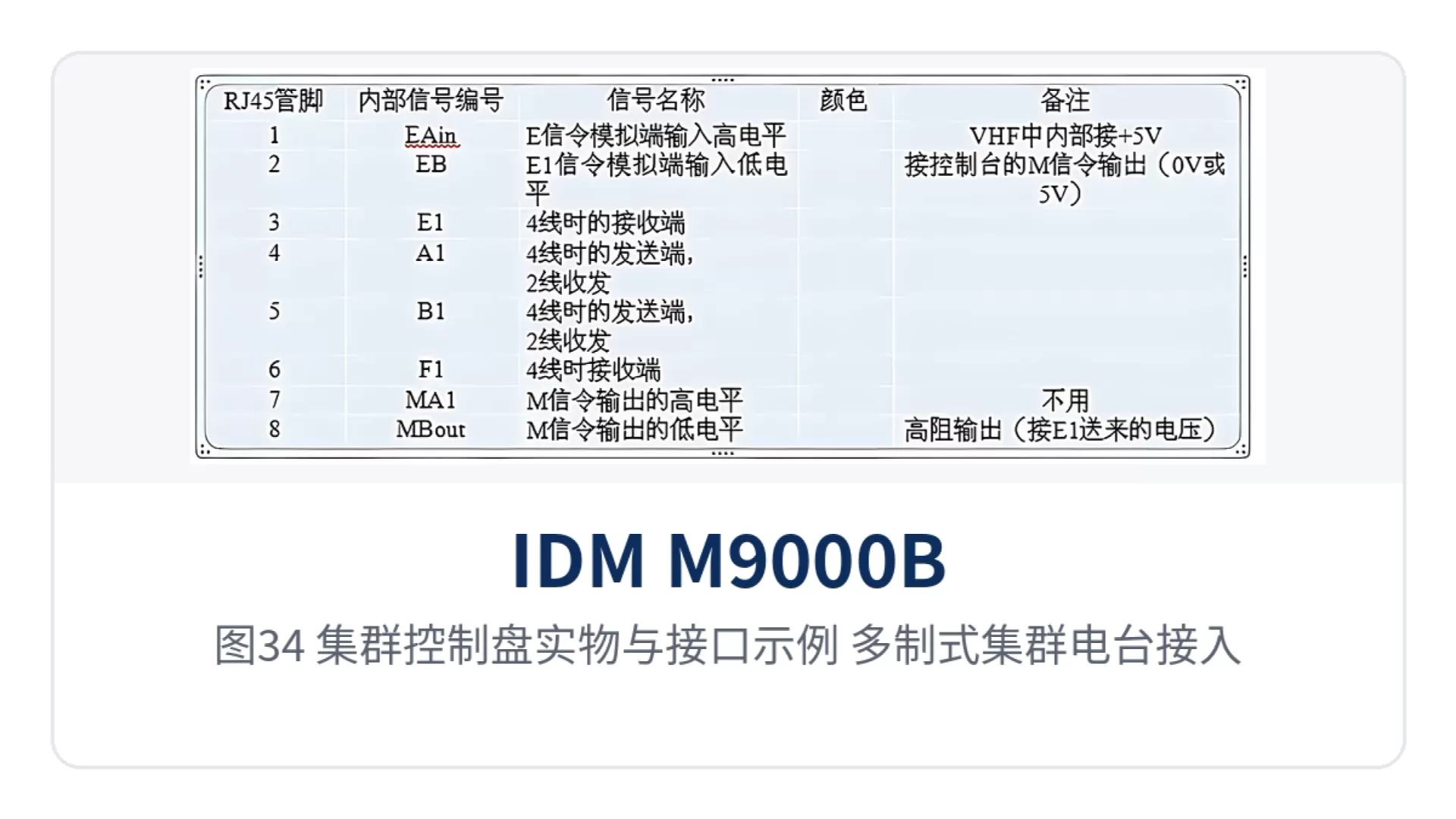
Figure 34: Trunking Control Card Physical View and Interface Example — Multi-Format Trunking Radio Access
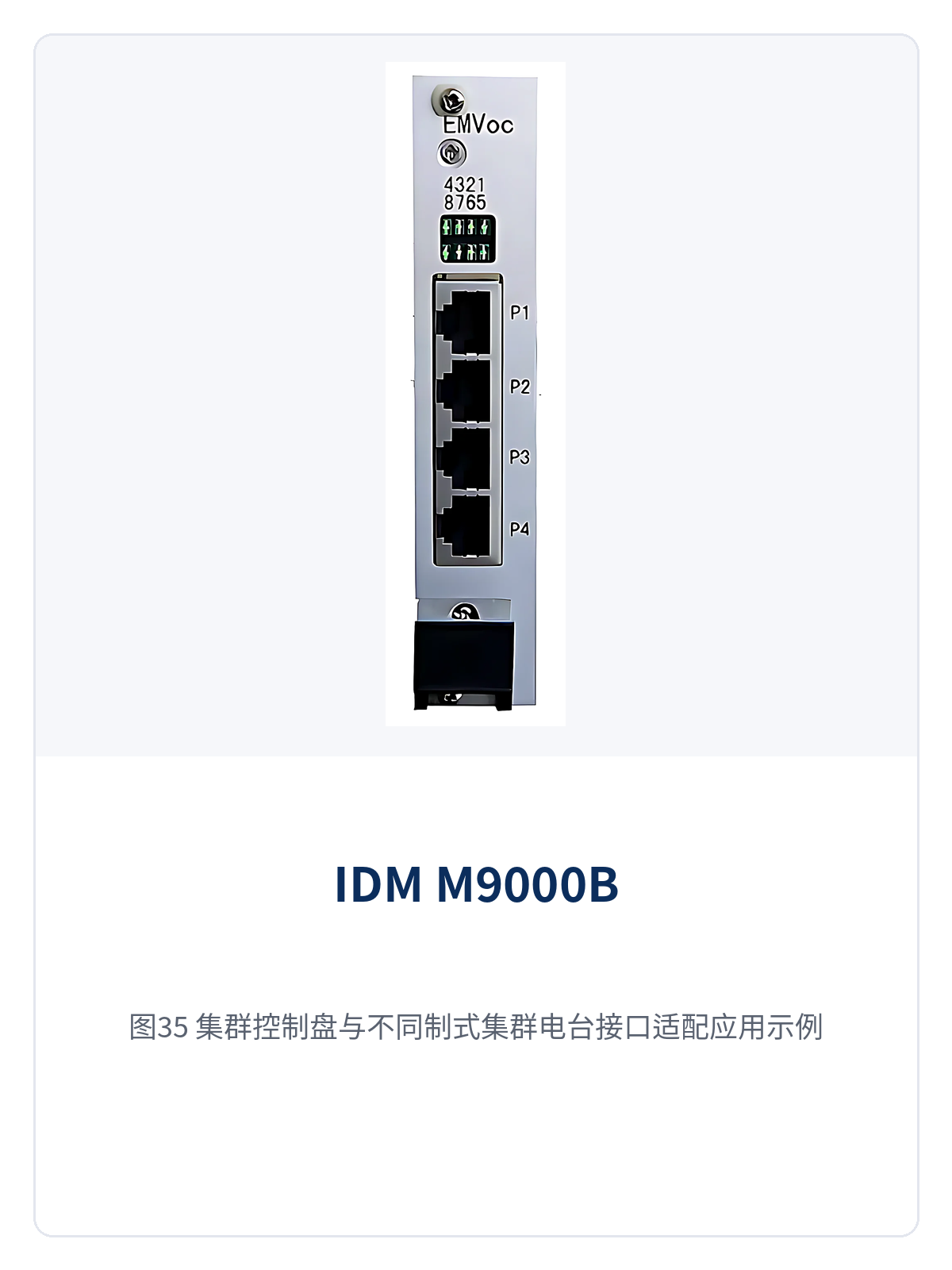
Figure 35: Application Example of Trunking Control Card Adapting to Different Formats of Trunking Radio Interfaces
The complete IDM M9000B communication command and dispatch system consists of a main unit, VHF and trunking interface boards, and supporting devices such as dispatch consoles, SIP gateways and video terminals; the IDM-MCC21 multimedia dispatch console can serve as a typical supporting terminal for command center operator seats, working in coordination with the main unit.
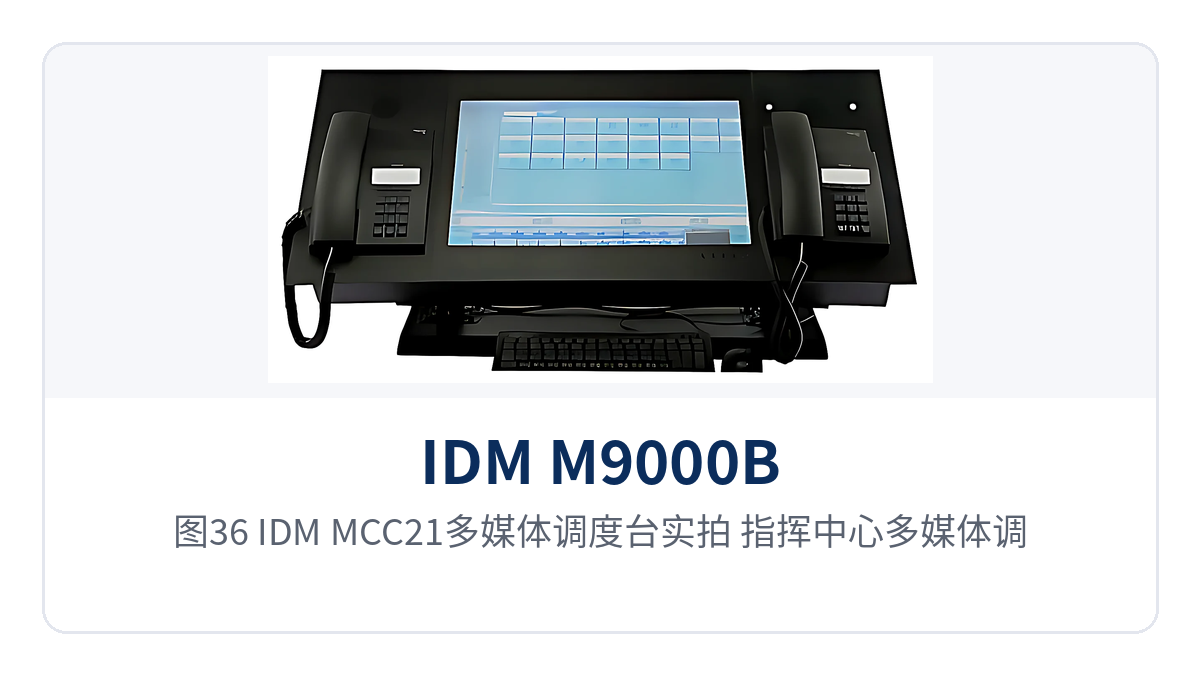
Figure 36: IDM-MCC21 Multimedia Dispatch Console Live Photo — Command Center Multimedia Dispatch Terminal
Typical Application Scenarios
Air Defense Force Position Command and Training Exercises
Air defense force position command and training exercises have high requirements for portability, power supply adaptability and multi-format access capability. The IDM M9000B communication command and dispatch system is small in size and can carry its own battery, operating on 11V15V DC power supply, using a lightweight rechargeable battery or vehicle power, and can also connect to 110V220V AC power, making it suitable for field operations and rapid deployment in the field, and can be used for combat, training and exercise tasks in air defense force position command. For magneto telephones and military-grade telephones at positions, the system provides ordinary magneto interfaces and 2100Hz magneto interfaces; HF radio sets, VHF radio sets and 350M, 800M trunking intercom are connected via the VHF radio interface card and trunking control card, with a single unit connecting up to 48 radio channels or 120 telephone channels; when greater radio capacity is needed, E1 cascading capacity expansion is used, with each E1 interface expanding 30 radio interface channels, suitable for position command and multi-detachment echeloned command systems, and also meeting the requirements of military emergency communications vehicle solutions for rapid deployment and multi-format converged communication command and dispatch systems.
Counter-Terrorism and Stability Maintenance and Disaster Relief Emergency Communications
Counter-terrorism and stability maintenance and disaster relief face sites with network outage, power failure and blocked roads, where communication must be connected as soon as it arrives. The IDM M9000B communication command and dispatch system can connect HF radio sets, VHF radio sets, 350M and 800M trunking intercom, fixed-line telephones, magneto telephones and satellite phones to the same voice platform, with a single unit connecting up to 48 radio channels or 120 telephone channels, providing an emergency intercommunication platform for vehicle-mounted, fixed, portable and mobile communication methods when natural disasters or emergencies occur. Emergency plans for flood control, drought relief, explosions, fires and the like can be pre-edited, and when an incident occurs, dispatching can be initiated with one touch on the dispatch console, automatically triggering sound reinforcement broadcast alarms, automatically initiating conferences with the responsible persons, and automatically sending incident short messages (SMS); TDM time-slot switching with reserved bandwidth never meets a busy line, voice latency is low and resistant to IP broadcast storms, and command voice channels remain stable during traffic bursts, fully demonstrating the command and dispatch advantages of the converged communication command and dispatch system in emergency scenarios.
Cross-Regional and Cross-Department Collaborative Combat Command
Cross-regional and cross-department collaborative combat command requires converging various voice resources from public and private networks, wired and wireless, into the same platform. The IDM M9000B communication command and dispatch system uniformly accesses fixed-line telephone networks, cellular mobile communication networks, Internet (IP) networks, wireless local area networks (WLAN), trunking mobile communication systems and satellite communication systems; dispatch control is based on TDM time-slot switching, the access side provides VoIP channels, and remote voice channels can be flexibly enabled via wireless IP networks; each device can be connected to other devices of the same series via twisted pair, E1 or IP routing, with a single unit connecting up to 48 radio sets or 120 telephone terminals, and connecting up to 60 intercom terminals, and multiple command posts can be interconnected in an echeloned system. The system also supports up to 8 optical fiber ring networks, with every two rings sharing 30 telephone channels, and if a fiber at some point in the middle is broken, normal communication is not affected; a call is connected as soon as the handset is lifted at the remote end, images are displayed synchronously, and with various TDM dispatch consoles networked via optical fiber, all command operator seats share the same dispatching resource. As a professional command and dispatch system manufacturer, Raytrans can provide government private network optical fiber communication solutions and military emergency communications vehicle solutions, covering product showcase, solution design and command and dispatch system deployment and other stages.
Selection and Deployment Recommendations
The IDM M9000B communication command and dispatch system is suitable for group command scenarios that require unified dispatching of multi-format radio sets, trunking intercom, wired telephones and IP terminals: how to network an air defense force position command and dispatch system, how to deploy counter-terrorism and stability maintenance and disaster relief without mains power, and how to keep dispatch channels from being busy in cross-regional and cross-department collaborative combat can all be checked item by item according to the list below. During deployment, select interface cards and supporting devices according to the number of radio channels, number of telephone channels and number of remote stations: single-point dispatching within 48 radio channels or 120 telephone channels can use a single main unit; cross-regional multi-point command can use multi-unit networking via twisted pair, E1 or IP routing, and when greater radio capacity is needed, E1 cascading capacity expansion is used, with each E1 interface expanding 30 radio interface channels; when long-distance extension of magneto telephones or analog telephones is needed, the IDM-MAGgate or IDM IAD02 gateway is optional; when ring network video post deployment and mobile video inspection are needed, optical fiber ring networks and portable video terminals are optional. In terms of power supply, the main unit supports 11V15V DC and 110V220V AC, and can be used in vehicle-mounted, portable battery and mains power scenarios.
During selection, three capabilities should be checked with emphasis: first, access capacity, whether a single unit's 48 radio channels and 120 telephone terminals can cover the current phase of services, with expansion margin reserved for 2 E1 interfaces; second, architecture reliability, whether the reserved bandwidth and never-busy characteristics of TDM time-slot switching match the on-site requirements for channel determinism and resistance to IP broadcast storms, and private networks with high security levels should especially retain deterministic switching in the dispatch core; third, networking and deployment conditions: for multi-site, long-distance post deployment projects, the maximum number of rings and breakpoint self-healing capability of the optical fiber ring network should be checked, while for field, vehicle-mounted and temporary command post scenarios, the adaptability of 11V15V DC power supply, self-carried battery and 110V220V AC dual power supply should be checked. The interface board combination, maximum number of conference channels and engineering configuration parameters of the IDM M9000B TDM communication command and dispatch system are not yet recorded in the knowledge base; please refer to the manufacturer's technical documentation and commercial confirmation. To confirm interface configuration, networking solutions and pricing information, please contact Beijing Ruiguang Jiyuan Digital Technology Co., Ltd.