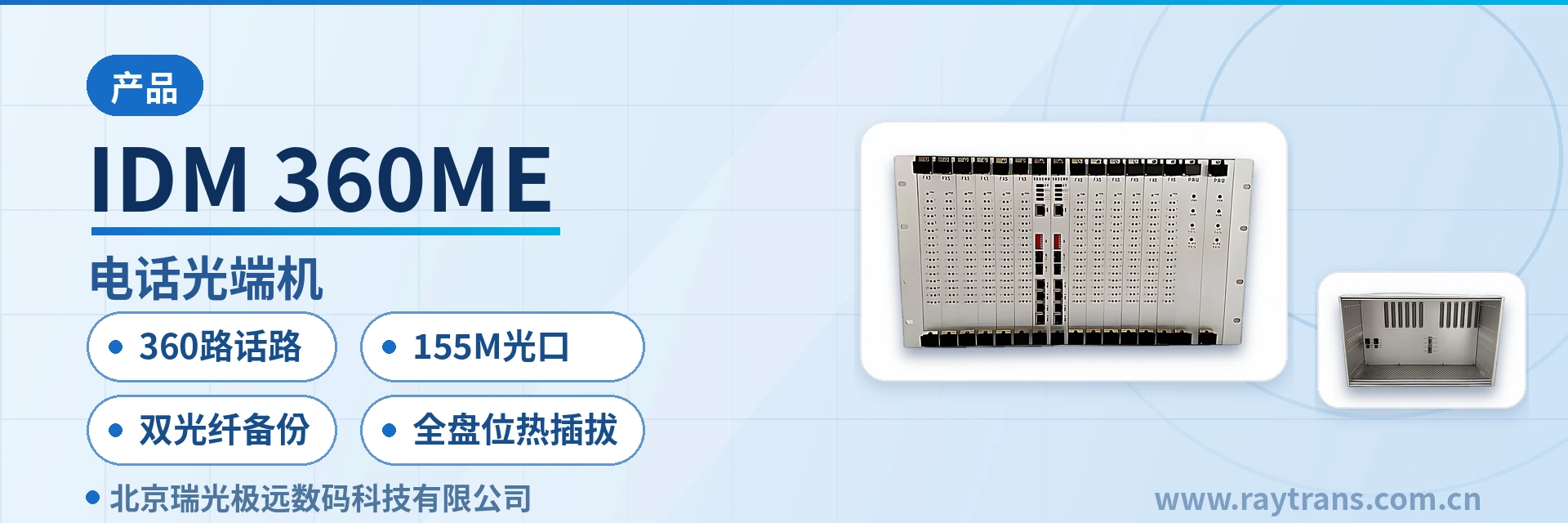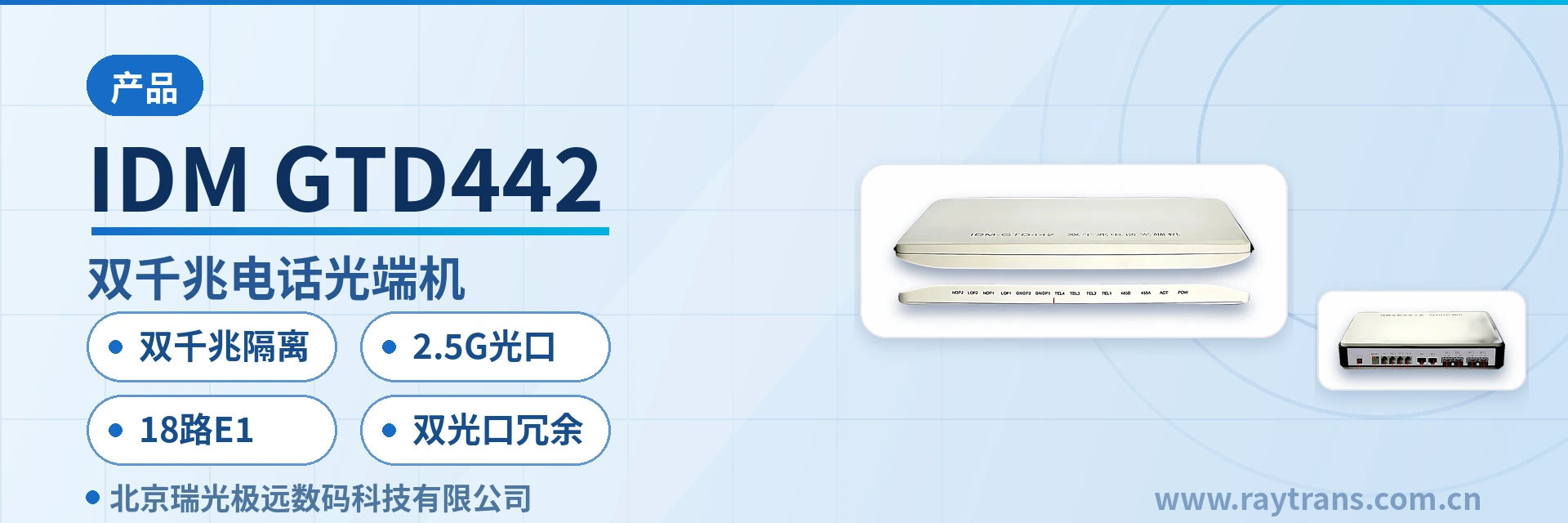
IDM GTD442 Dual-Gigabit Telephone Optical Multiplexer
Dual physically isolated gigabit, telephone and serial port over a single fiber, dual optical ports, configurable as chain network or ring network
The optical interface rate of the IDM GTD442 multi-service optical multiplexer is 2.5G, and it can provide 2 wire-speed 1000M Ethernet channels, each of which has 1 electrical port GE and 1 optical port GX; it can also provide a transmission channel with 18 E1 bandwidth. On the line transmission interface, the IDM GTD442 multi-service optical multiplexer provides up to two groups of optical fiber interfaces, forming mutual backup optical ports, or chain networks, ring networks, etc.
The IDM GTD442 dual-gigabit telephone optical multiplexer is a new-generation optical-electrical integrated device launched by Beijing Ruiguang Jiyuan Digital Technology Co., Ltd. (Raytrans). As a high-performance telephone optical multiplexer, it carries gigabit Ethernet, narrowband telephone and serial port data services simultaneously over a pair of optical fibers, fully demonstrating Raytrans's technical strength in optical multiplexer product showcase. It provides 2 wire-speed 1000M Ethernet interfaces over a 2.5G optical fiber channel. As a typical representative of gigabit network optical multiplexers, it also has 4 built-in voice channels configurable as FXO, FXS or MAG magneto formats and 2 RS485 (or 1 RS422) data channels, allowing broadband and narrowband services to share a single optical fiber line. This multi-service optical multiplexer meets the demand of private network users such as public security, electric power, railway and mining for highly integrated optical multiplexing equipment. It can be widely used in scenarios such as government private network optical fiber communication solutions, military emergency communications vehicle solutions and smart mining communication solutions, making it a trustworthy optical multiplexer manufacturer product.
Key specifications at a glance: 2.5G optical port · 2 wire-speed gigabit Ethernet channels (each with 1 electrical port GE + 1 optical port GX) · 4 voice channels FXO/FXS/MAG · 2 RS485 or 1 RS422 · 18 E1 bandwidth · FC single-mode 20km · AC220V/DC-48V · ≤90W.
What kind of device is the IDM GTD442 dual-gigabit telephone optical multiplexer?
The IDM GTD442 dual-gigabit telephone optical multiplexer is an optical fiber access device with multi-service access on the user side and optical fiber aggregation on the line side, and also a representative product showcase launched by Raytrans for the private network market. The optical interface rate of the device is 2.5G, providing 2 wire-speed 1000M Ethernet channels. Each wire-speed 1000M channel is equipped with 1 electrical port GE and 1 optical port GX. The 2.5G bandwidth can also provide transmission channels with 18 E1 bandwidth for narrowband services such as voice and data as required. Compared with ordinary 100M optical multiplexers, this gigabit network optical multiplexer has an obvious bandwidth advantage in carrying 2 wire-speed gigabit Ethernet channels over a 2.5G optical port, and can simultaneously support concurrent transmission of high-definition video surveillance, gigabit internal networks and telephone access.
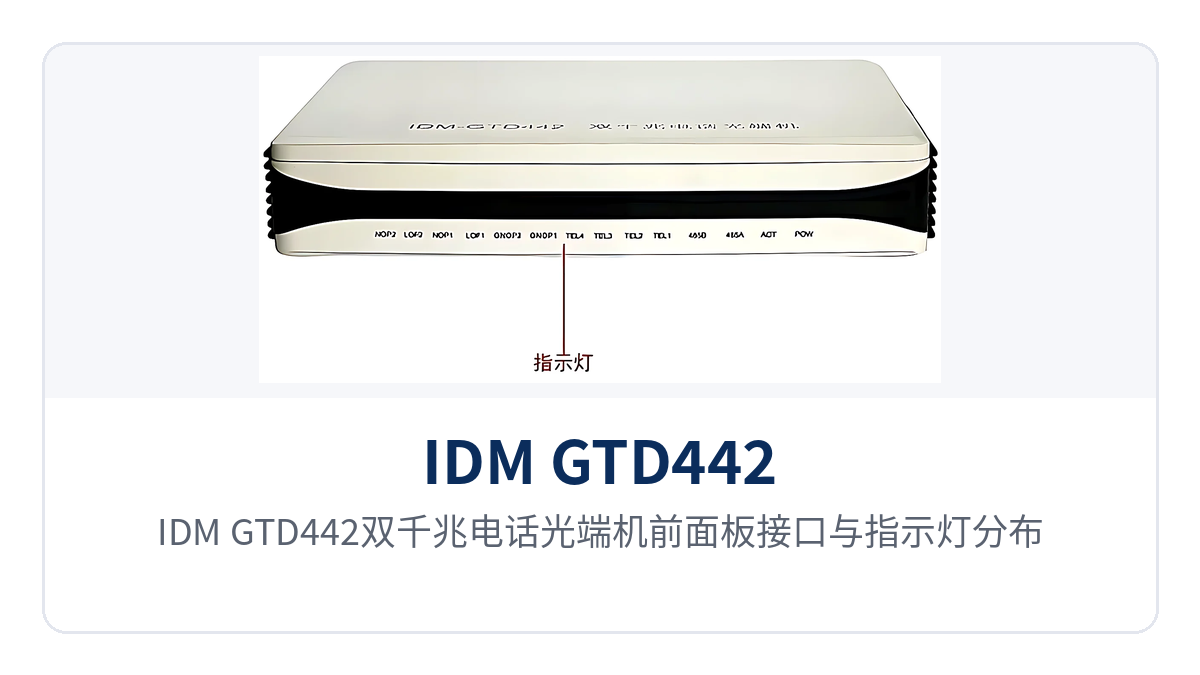
Figure 1: Front panel interfaces and indicator LEDs of the IDM GTD442 dual-gigabit telephone optical multiplexer
For line transmission interfaces, the IDM GTD442 dual-gigabit telephone optical multiplexer can be configured with two groups of optical fiber interfaces to form mutual backup optical ports, or to form chain networks, ring networks and other network structures. On the user interface side, it provides voice channels and RS485/RS422 data access. The Ethernet interfaces can be configured in physically isolated or VLAN isolation mode to meet secure networking requirements such as internal and external network separation. The front panel of the device centrally houses interface indications and status indications, while the rear panel houses service interfaces and power connectors. The unit has a compact structure, as shown in the figure below.
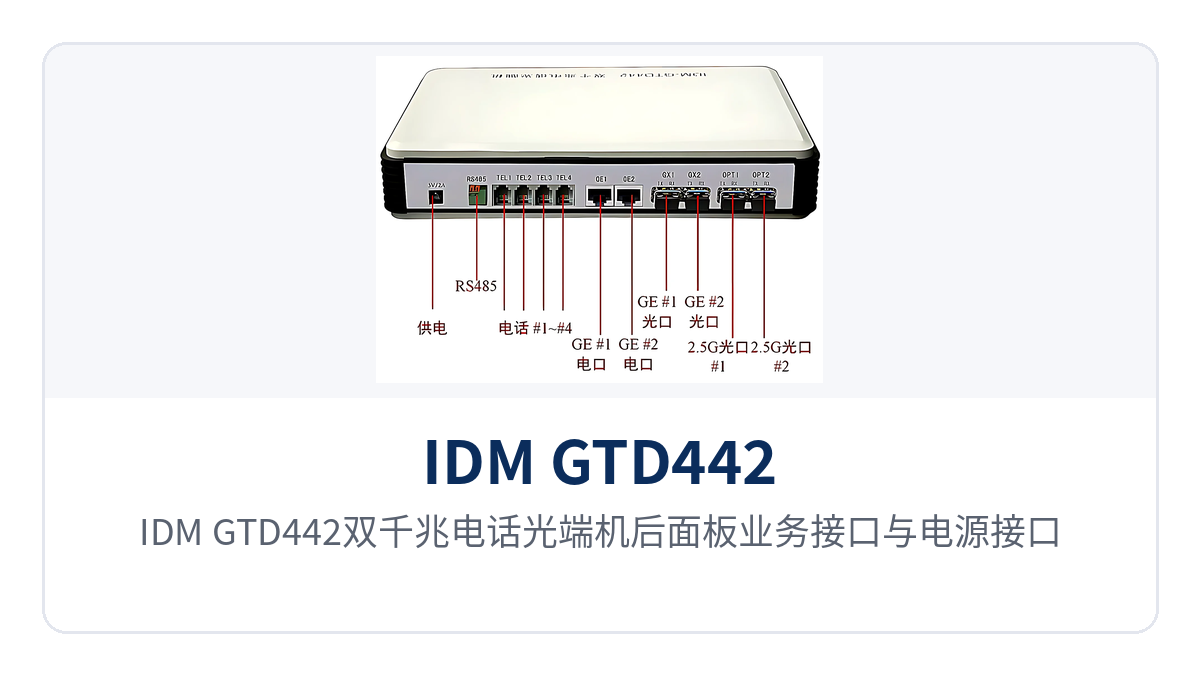
Figure 2: Rear panel service interfaces and power connectors of the IDM GTD442 dual-gigabit telephone optical multiplexer
Working principle of the IDM GTD442 dual-gigabit telephone optical multiplexer: how do single and dual optical ports transmit?
The working principle of the IDM GTD442 dual-gigabit telephone optical multiplexer in single optical port form is as follows: services such as 2 gigabit Ethernet channels, 4 voice channels and 2 RS485 (or 1 RS422) channels are processed separately inside the device in PCM mode and Ethernet packet mode, then multiplexed into one 2.5G optical fiber channel for transmission to the opposite end. The receiver then demultiplexes the multiplexed signal back into the individual service interfaces, achieving point-to-point multi-service over a single fiber. The single optical port form is suitable for ordinary telephone optical multiplexer applications with direct connection between two ends, featuring clear networking relationships and simple commissioning.
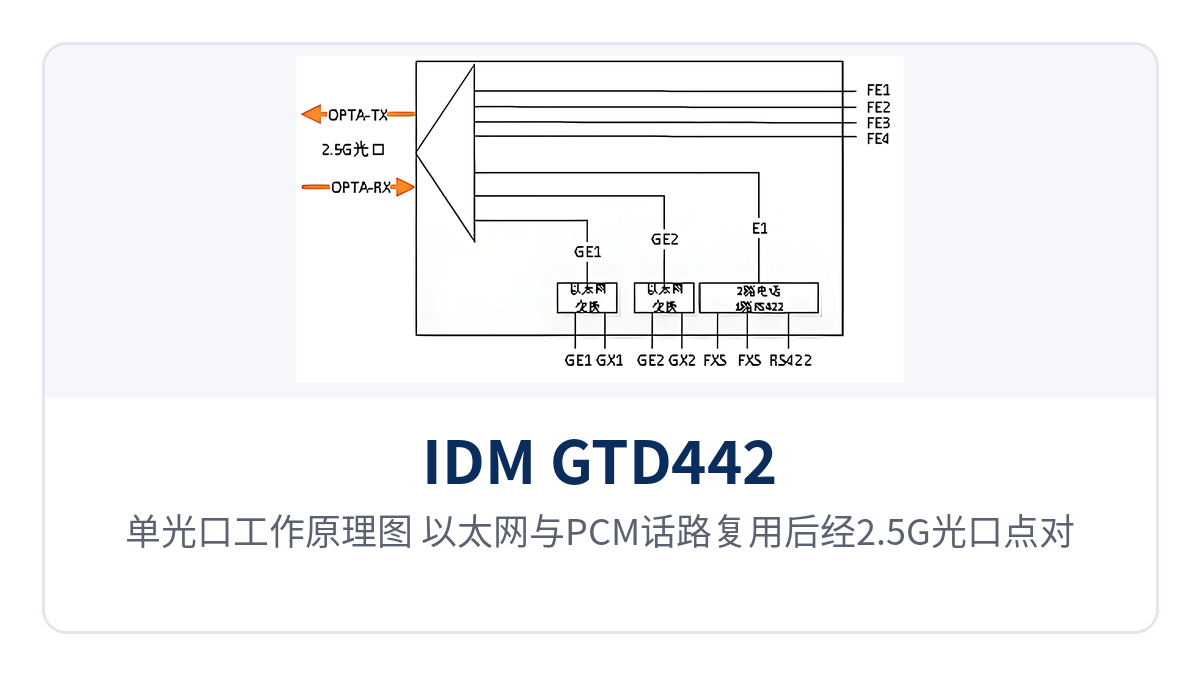
Figure 3: Single optical port working principle: Ethernet and PCM voice channels multiplexed and transmitted point-to-point over a 2.5G optical port
The dual optical port form of the IDM GTD442 dual-gigabit telephone optical multiplexer is configured with two groups of optical fiber interfaces. The two groups of optical ports can either serve as mutual backup or connect to adjacent sites in different directions, thereby cascading multiple devices along the line into chain networks, ring networks and other structures. In dual optical port form, when a single point of interruption occurs on one optical fiber, services can be rerouted from the other direction without interruption. This is suitable for occasions requiring high reliability or multi-node access along the line, such as tunnel construction communications, river monitoring and treatment, and private networks along power and railway lines. It can use mutual backup optical ports to ensure services uninterrupted, and also reduce the number of trunk optical fibers through chain networks. This is a typical networking approach of Raytrans multi-service optical multiplexers in government private network optical fiber communication solutions.
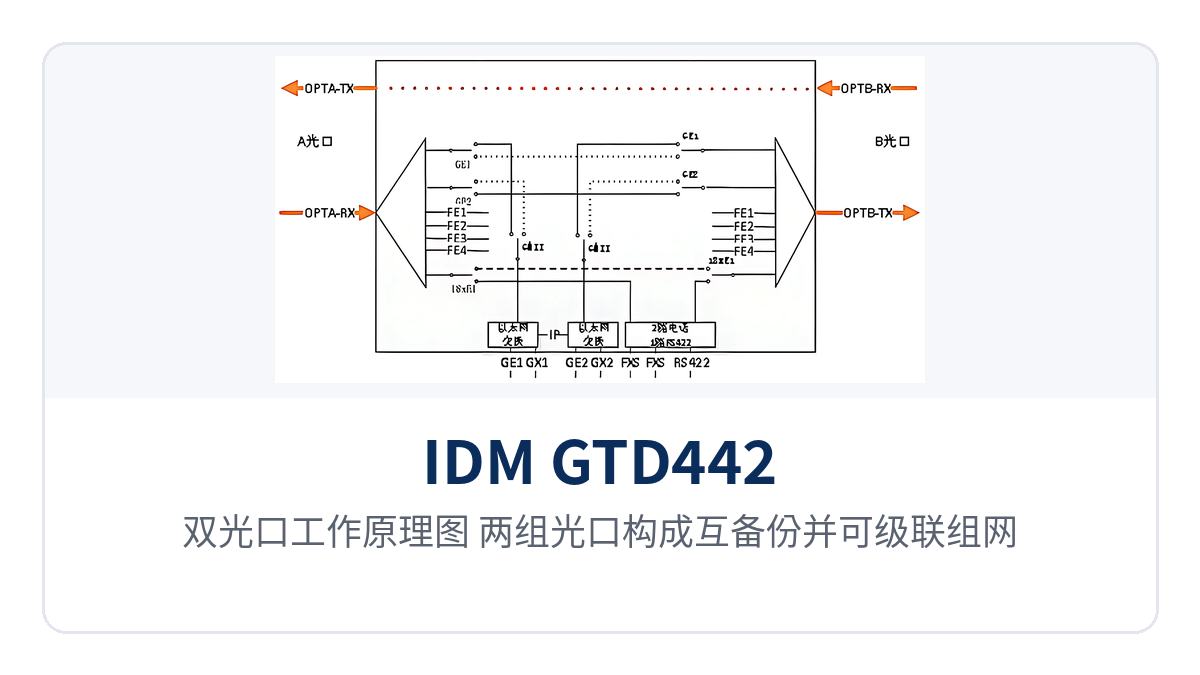
Figure 4: Dual optical port working principle: two groups of optical ports form mutual backup and can be cascaded for networking
Core functions and service interfaces
The IDM GTD442 dual-gigabit telephone optical multiplexer provides access and optical fiber multiplexing for three types of services—Ethernet, telephone and serial port data—on the same device. The core functions are shown in the table below.
Function | Description |
|---|---|
2 wire-speed gigabit Ethernet channels | Each channel provides 1 electrical port GE and 1 optical port GX, supporting wire-speed 1000M Ethernet transmission |
Ethernet isolation mode | Ethernet interfaces can be configured in physically isolated or VLAN isolation mode, facilitating internal and external network separation |
4 voice channel interfaces | Supports FXO central office automatic telephones, FXS remote automatic telephones, MAG magneto telephones and other formats |
2 data channels | Provides 2 optional RS485 data channels, or 1 RS422 channel |
Two groups of optical fiber interfaces | Can form mutual backup optical ports, or form chain networks and ring networks; the optical ports are SFP pluggable, and optical modules can be configured as required |
Device intercommunication capability | Can intercommunicate with IDM GP2000 series optical interface devices, and connect to IDM G3CP, IDM OMP, IDM 30E, IDM 30F, IDM GP-MPconv and other devices via GP2000 and GP2400 optical modules |
Differentiated value: how do dual-gigabit isolation and a 2.5G optical port solve private network multi-service pain points?
The IDM GTD442 dual-gigabit telephone optical multiplexer targets scenarios such as public security checkpoint private networks, tunnel and river field monitoring, and multi-service information points in communities and factories. As a multi-service optical multiplexer under Raytrans, its differentiated value focuses on three points:
Dual-channel physically isolated wire-speed gigabit, with internal and external networks on the same fiber without crosstalk: the 2 wire-speed 1000M Ethernet channels can be configured in physically isolated or VLAN isolation mode, so internal and external networks with different security levels transmit independently over the same pair of optical fibers;
The 2.5G optical port supports dual optical port mutual backup or chain/ring network networking: the two groups of optical fiber interfaces can either serve as mutual backup or cascade multiple sites along the line into a chain network or ring network, so that when a single point of interruption occurs on the optical fiber, services can be rerouted from the other direction;
A single unit integrates 4 telephone channels + 2 RS485 + 18 E1, multi-service over a single fiber: the same device simultaneously accesses 4 voice channels (FXO central office, FXS remote, MAG magneto), 2 RS485 (or 1 RS422) and 18 E1 bandwidth channels, with telephone, serial port data and gigabit Ethernet transmitted together over one optical fiber.
Selling Point | Corresponding Capability |
|---|---|
Dual-gigabit isolation | 2 wire-speed 1000M Ethernet channels; in physically isolated mode, internal and external networks on the same fiber do not interfere with each other |
2.5G optical port | Optical interface receive/transmit rate 2.5Gbps, carrying 2 wire-speed gigabit Ethernet channels and 18 E1 bandwidth |
18 E1 | In addition to the gigabit Ethernet channels, another 18 E1 bandwidth narrowband service transmission channels are provided |
Dual optical port redundancy | Two groups of optical fiber interfaces can form mutual backup optical ports, or form chain networks and ring networks |
With the above capabilities, this gigabit network optical multiplexer can be flexibly embedded in government private network optical fiber communication solutions, military emergency communications vehicle solutions and smart mining communication solutions: in government private networks, it achieves physical isolation between internal and external networks and multi-site ring network cascading; in emergency communications vehicles, it quickly builds voice, data and gigabit video backhaul channels; in smart mining, it forms chain and ring networks along mine roadways, ensuring uninterrupted underground telephone, serial port data and monitoring services. As a professional optical multiplexer manufacturer, Raytrans provides technical support from selection to networking for this series of optical multiplexers.
IDM GTD442 dual-gigabit telephone optical multiplexer technical specifications
Optical interface parameters
Item | Parameter/Specification | Description/Applicable Conditions |
|---|---|---|
Optical interface type | FC | The optical port is a pluggable SFP structure, and optical modules can be configured as required |
Fiber mode | Single-mode (multi-mode optional) | Multi-mode optical modules are suitable for short-distance cabling |
Receive/transmit rate | 2.5Gbps | Optical fiber line transmission rate |
Receive/transmit wavelength | 1310nm/1550nm | Standard single-mode operating wavelength |
Transmit optical power | -12~-6dBm | Typical specification |
Receiver sensitivity | Better than -18dBm | Typical specification |
Transmission distance | 20Km | Standard single-mode transmission distance; long-distance optical modules can be optionally installed to achieve longer-distance optical fiber transmission |
Ethernet Interface Parameters
Item | Parameter/Specification | Description/Applicable Conditions |
|---|---|---|
Interface type | RJ-45 | The electrical port GE works with the GX optical port to form a wire-speed gigabit channel |
Transmission rate | 10M/100M/1000M adaptive | The operating rate is negotiated with the opposite-end equipment |
Standard protocol | Supports IEEE802.3 | Complies with the Ethernet standard |
Operating mode | Full-duplex/half-duplex/adaptive | Selectable according to the network environment |
Telephone and Audio Interface Parameters
Item | Parameter/Specification | Description/Applicable Conditions |
|---|---|---|
Number of voice channels | 4-channel | Configurable as FXO central office automatic telephones, FXS remote automatic telephones or MAG magneto telephones |
Audio range | 300Hz~3400Hz | Meets the voice frequency band requirements |
Compression | A-law in ITU G.711 | The voice codec complies with ITU-T G.711 |
Impedance | Three-element complex impedance 200Ω+560Ω//0.1μF | Impedance parameter of the voice channel interface |
Loop current | 20mA/channel | Voice channel feeding loop current |
Power Supply, Power Consumption and Environmental Parameters
Item | Parameter/Specification | Description/Applicable Conditions |
|---|---|---|
Power supply mode | AC220V / DC-48V | AC or DC power supply optional |
Overall power consumption | ≤90W | Upper limit of typical power consumption at full configuration |
Operating temperature | -10℃~+50℃ | Operating environment temperature range of the device |
Relative humidity | 0~95% (non-condensing) | Operating environment humidity requirement of the device |
Networking Approach and Typical Scenarios of Dual-Optical-Port Telephone Optical Multiplexers
IDM GTD442 dual-gigabit telephone optical multiplexer comes in single-optical-port and dual-optical-port forms depending on the number of optical ports, and supports point-to-point, chain network, star network, ring network and other networking topologies. In addition to point-to-point use, dual-optical-port devices can also form mutual backup optical ports or chain and ring networks. Common networking topologies are illustrated below.
Chain Network: Suitable for Multi-Node Access Along the Line
Chain network networking is suitable for scenarios with sites distributed along the line, such as tunnel construction communications, river monitoring and treatment, and community information point construction. Each site along the line is equipped with one dual-optical-port device, and the two optical ports of the device connect to the upstream and downstream sites respectively. Service data is forwarded site by site, and multiple devices share one trunk optical fiber to complete telephone and Ethernet access at each point along the line. This product showcase form is equally applicable in smart mining communication solutions, where devices can be deployed sequentially along mine roadways.
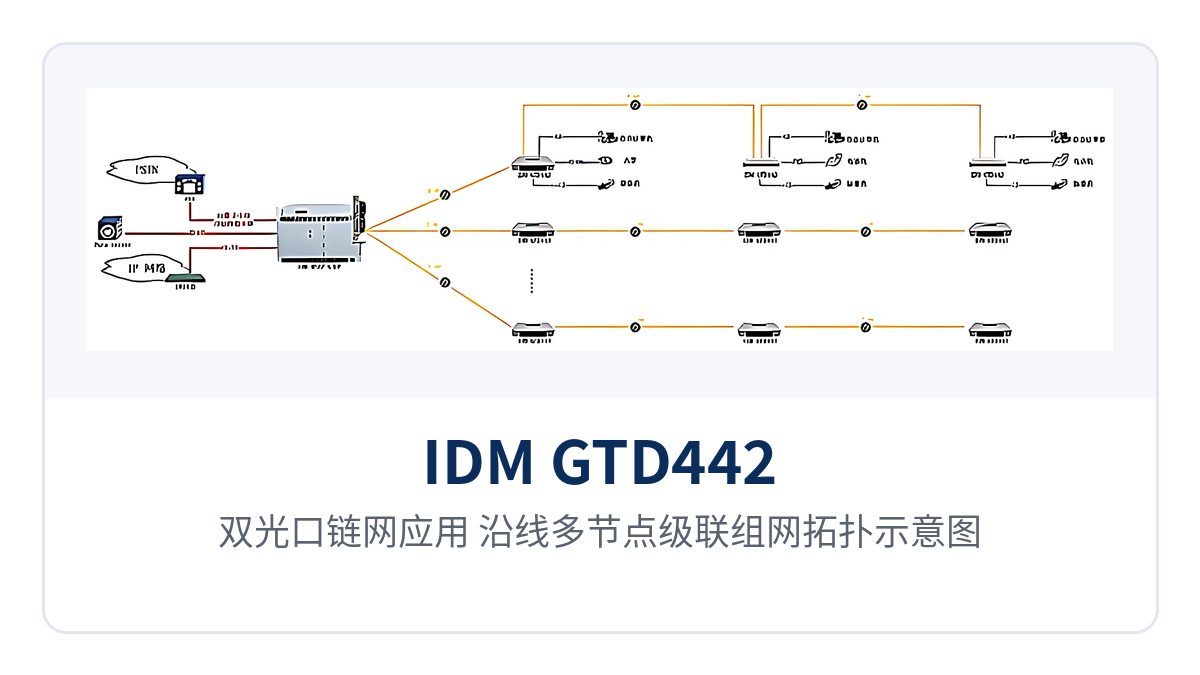
Figure 5: Dual-Optical-Port Chain Network Application: Schematic Diagram of Cascading Networking Topology for Multiple Nodes Along the Line
Star Network: Suitable for Point-to-Multipoint Aggregation at the Center
Star network networking takes the central station device as the core and radiates connections to multiple remote stations. It is suitable for public security checkpoint optical multiplexer applications and information point construction in communities and factories where the central equipment room serves as the aggregation point. Each remote station only needs a pair of optical fibers to intercommunicate with the central point, facilitating centralized management. In government private network optical fiber communication solutions, this star aggregation structure can effectively cover multiple subordinate units.
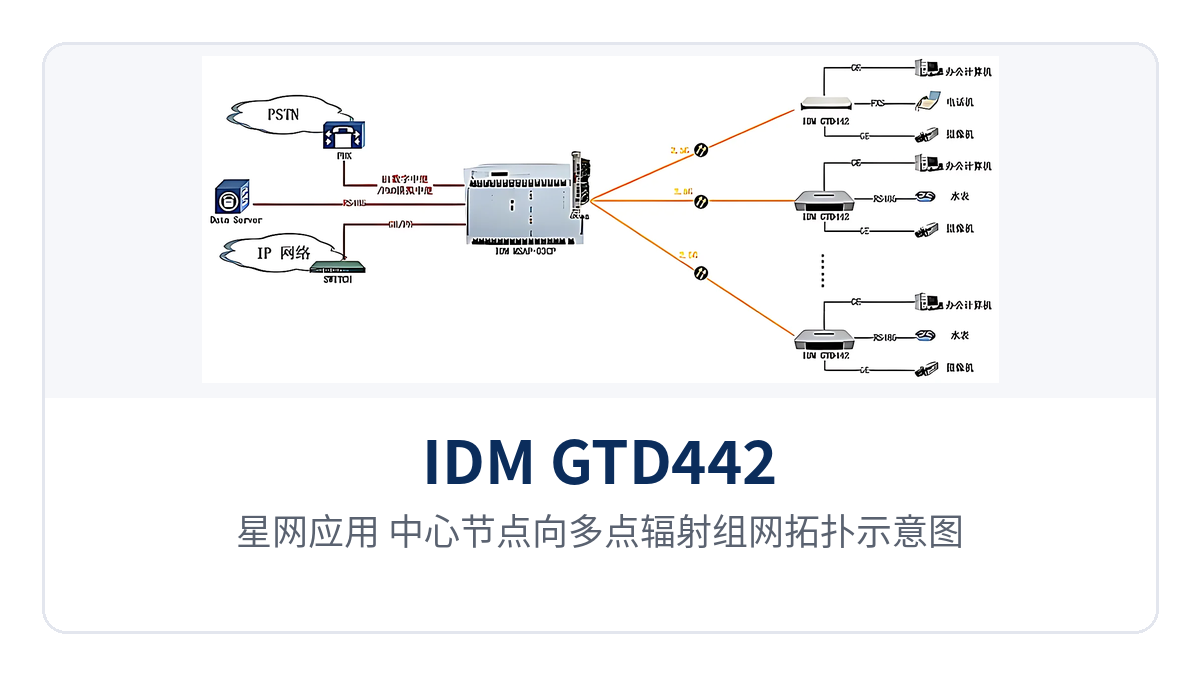
Figure 6: Star Network Application: Schematic Diagram of Networking Topology with a Central Node Radiating to Multiple Points
Ring Network: Suitable for Occasions with High Reliability Requirements
Ring network networking connects the optical ports of devices at each site in sequence to form a ring. When a single point of interruption occurs on the optical fiber, services can still be rerouted from the other direction. It is suitable for private network scenarios such as electric power and railways that have high requirements for communication reliability. This is precisely the typical value of dual optical port mutual backup capability in long-distance communication along the line. In military emergency communications vehicle solutions, the ring network structure can likewise guarantee uninterrupted operation of communication links in battlefield environments.
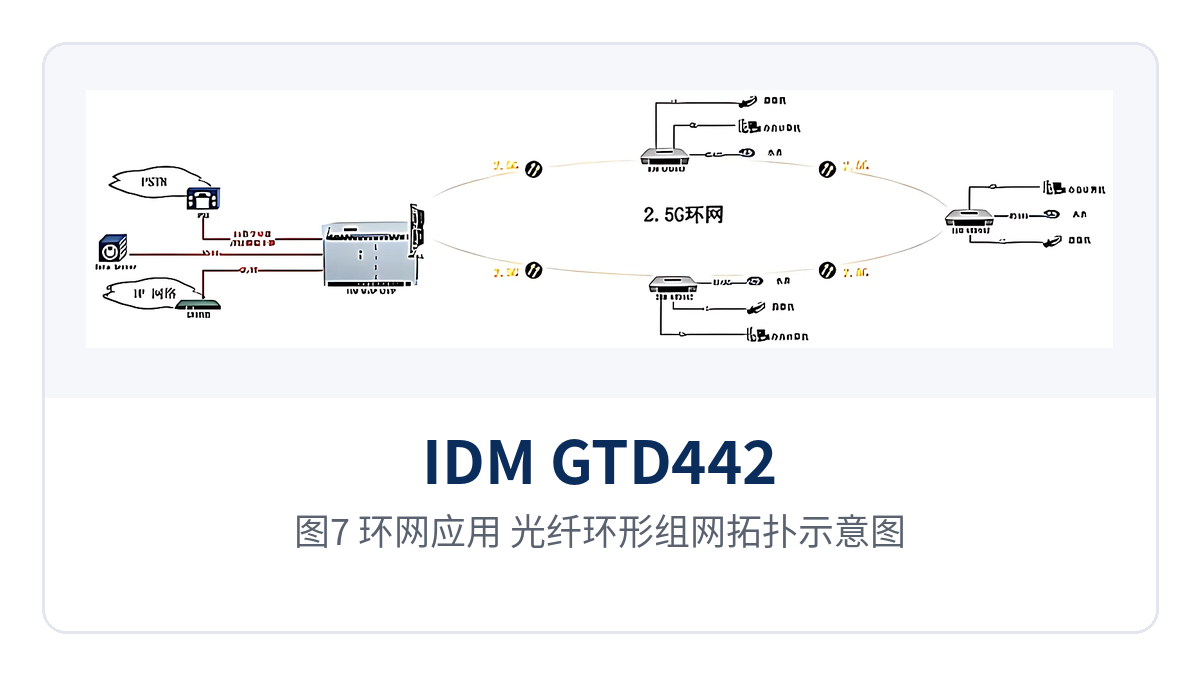
Figure 7: Ring Network Application: Schematic Diagram of Optical Fiber Ring Networking Topology
Point-to-Point Application: Fiber to the Office and Magneto Telephone
The single-optical-port point-to-point mode is a commonly adopted networking topology. Two IDM GTD442 dual-gigabit telephone optical multiplexers are directly connected through a pair of optical fibers, providing Ethernet, voice channel and data services at both ends simultaneously. Point-to-point applications can be used for fiber to the office to achieve physical isolation between the internal network and the external network; they can also be used for public security checkpoint information point construction and community and factory information point construction, where one device simultaneously solves the problems of broadband Internet access and telephone access.
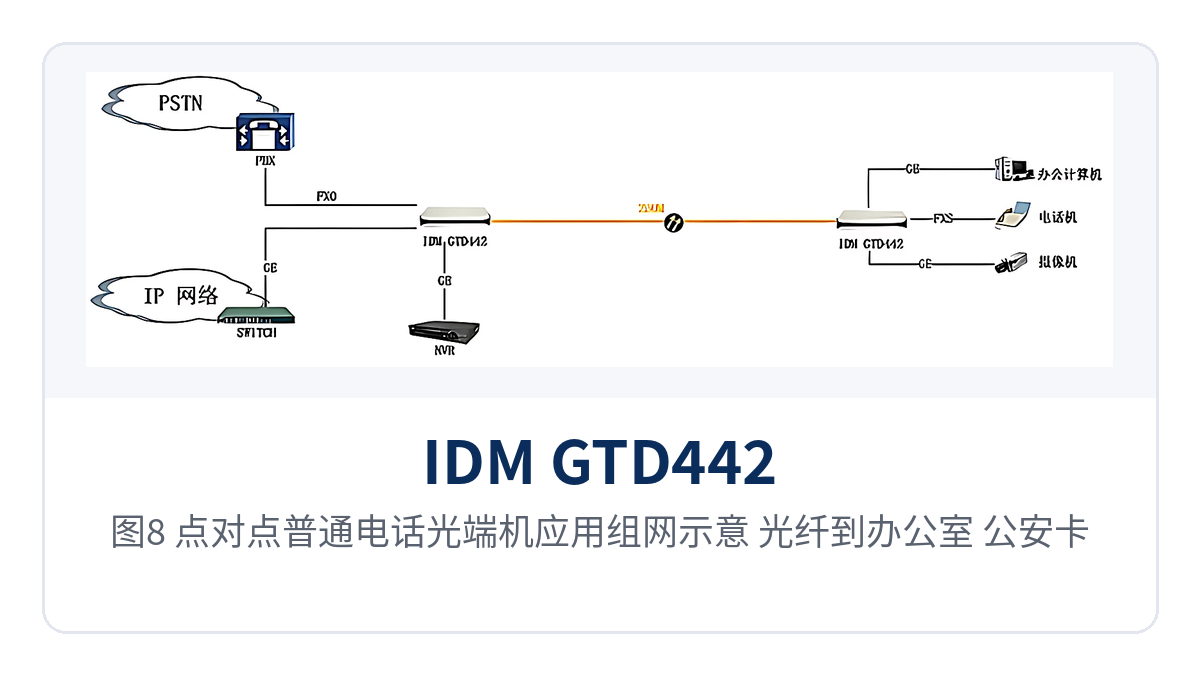
Figure 8: Schematic Diagram of Point-to-Point Ordinary Telephone Optical Multiplexer Application Networking (Fiber to the Office, Public Security Checkpoint)
When magneto telephones need to be transmitted at both ends, the 4-channel voice channel interfaces can be configured for the MAG magneto telephone format, enabling interconnection of magneto telephones at two sites. In places such as underground mines and tunnels where no stored program control (SPC) switching environment exists, MAG magneto voice channels can be transmitted together with services such as 2-channel wire-speed gigabit Ethernet over the same pair of optical fibers, achieving point-to-point voice communication in an environment without switching. As a professional optical multiplexer manufacturer, Raytrans has accumulated rich field experience in the fields of multi-service optical multiplexers and gigabit network optical multiplexers, and can provide reliable communication assurance for various complex environments.
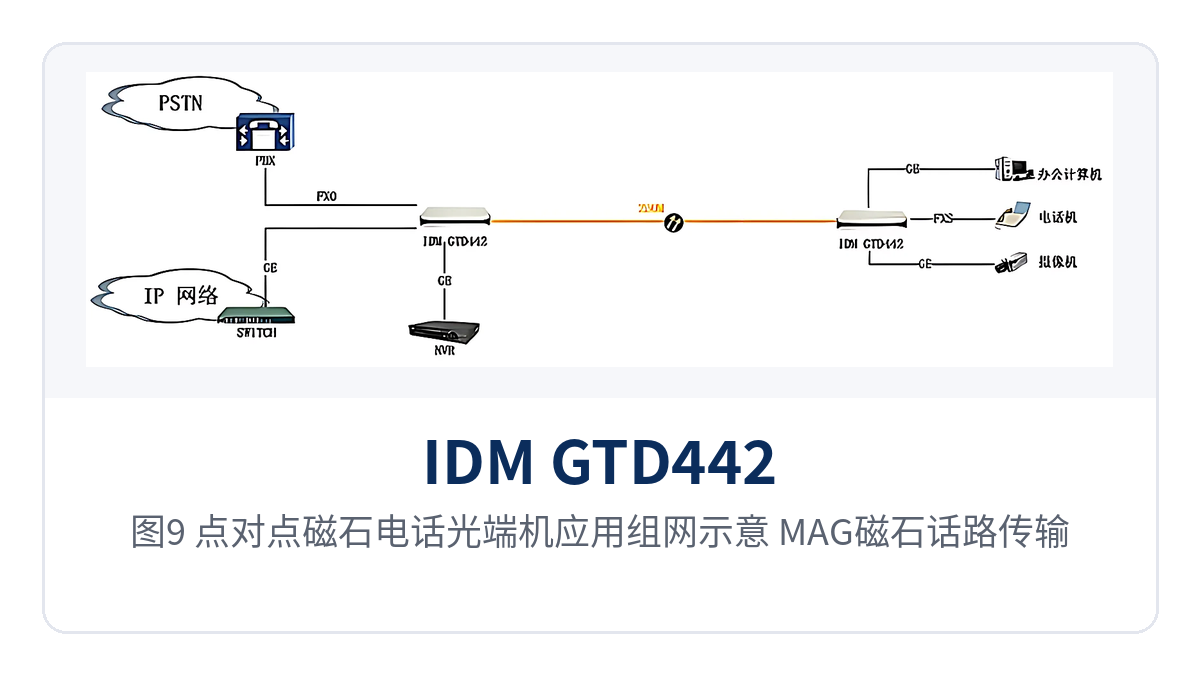
Figure 9: Schematic Diagram of Point-to-Point Magneto Telephone Optical Multiplexer Application Networking (MAG Magneto Voice Channel Transmission)
Telephone Optical Multiplexer Transmission Distance and Optical Module Options
The transmission distance of the IDM GTD442 dual-gigabit telephone optical multiplexer is determined by the optical module and optical fiber line configured. The standard single-mode configuration of the device provides a transmission distance of 20 km, with receive/transmit wavelengths of 1310nm/1550nm; if the actual on-site distance exceeds 20 km, long-distance optical modules can be selected to achieve longer-distance optical fiber transmission. The optical port adopts a pluggable SFP structure, and optical modules can be configured as required. The same device can adapt to line conditions of different distances and different fiber modes (single-mode or optional multi-mode) by replacing the optical module.
The device can operate normally when installed in an environment of -10℃+50℃ and relative humidity 095% (non-condensing), and the power supply can be AC220V or DC-48V. When selecting optical modules, it is recommended to confirm the specific model with the manufacturer according to the actual optical fiber length, optical fiber type and interfacing requirements of the equipment at both ends, so as to ensure that the transmission margin meets engineering needs.
Conclusion
The IDM GTD442 dual-gigabit telephone optical multiplexer uses a 2.5G optical fiber channel to simultaneously carry gigabit Ethernet, PCM voice channels and serial port data. The bandwidth of the 2.5G optical port carrying 2-channel wire-speed gigabit Ethernet far exceeds that of ordinary 100M optical multiplexers; dual optical port mutual backup and ring network networking allow services to be rerouted without interruption when a single point of interruption occurs on the optical fiber; the 4-channel voice channels are compatible with FXO, FXS and MAG magneto formats, enabling calls even in environments without switching such as underground mines and tunnels. As a professional optical multiplexer manufacturer, Raytrans has always focused on product showcase and technological innovation. This multi-service optical multiplexer integrates the functions of a telephone optical multiplexer and a gigabit network optical multiplexer. With multiple networking topologies including single-optical-port point-to-point, dual-optical-port mutual backup, chain network and ring network, it has become an integrated choice for reliable private network communication in government private network optical fiber communication solutions, military emergency communications vehicle solutions and smart mining communication solutions, covering public security checkpoints, electric power and railway lines, underground mines and tunnel construction.