Airport Communication Navigation Dual-Network Mutual Backup System Switching Equipment
Airport Communication Navigation Dual-Network Mutual Backup System Switching Equipment. Beijing Ruiguang Jiyuan provides technical specifications, model selection advice, networking options and matching ap…
Airport Communication Navigation Dual-Network Mutual Backup System Switching Equipment
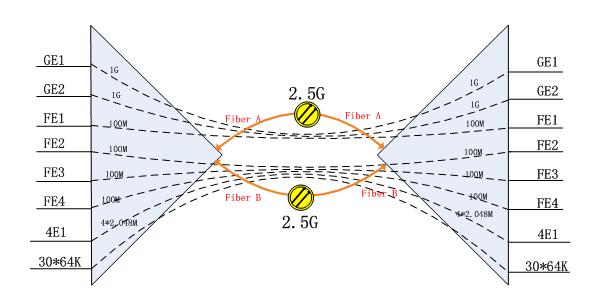
In some important remote dispatch and control sites (such as subways, airports, military), high system reliability is often required, and services are frequently transmitted over two or more networks, with user terminals able to automatically select the normal transmission network and channel. This requires us to provide an automatic service switching system that features high reliability, strong maintainability, and the ability to accept independent control from network management systems of several networks, as well as automatic switching based on service interface status. Therefore, the switching equipment is required to use as few active components as possible to reduce the failure rate of the switching equipment itself, and to have multi-network switching interlock functionality!
Common methods to enhance system reliability include dual-interface (such as dual optical ports, or optical/electrical mutual backup) mutual backup, dual-board mutual backup, dual-unit mutual backup, and dual-network mutual backup. Dual-board mutual backup is mostly used inside equipment, such as dual power boards, dual main control boards, etc.; dual-unit mutual backup includes cold standby and hot standby; dual-network backup means each service is transmitted through two networks, and the receiving end selects the better one, usually requiring the user interface to complete selection through a selection switching device.
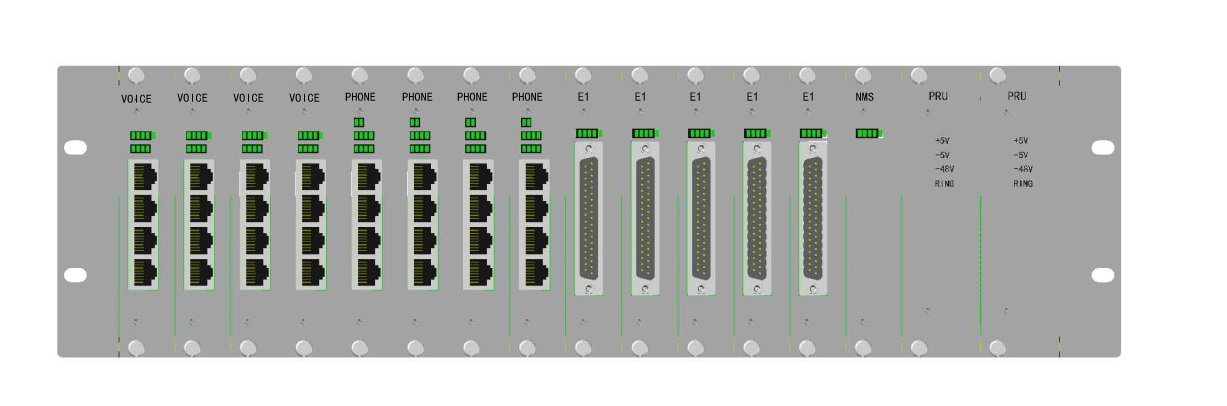
Common user service interfaces include Ethernet interfaces, narrowband data ports such as V.24/V.35/RS422/RS485, audio interfaces, telephone interfaces, etc. To achieve optimal selection switching and manual forced switching of user ports, different types of interfaces require different handling methods.
For Ethernet interfaces, the method of simultaneous transmission and reception over dual networks is typically adopted. When one network fails, the bandwidth is automatically reduced by half. Switching of narrowband data usually involves sending the same content simultaneously over both networks, with the receiving end automatically receiving data from the first network that has data. For these data channels, line bit errors are not considered; when bit errors occur on the line, a switching command is issued through the network management system. For voice channels, the signaling status is prioritized for judgment; when signaling status is the same, it is determined whether voice data is present. If both signaling and data are identical, the default network is preferred. These judgments are typically implemented on digital lines.
Centralized Communication Mutual Backup Equipment
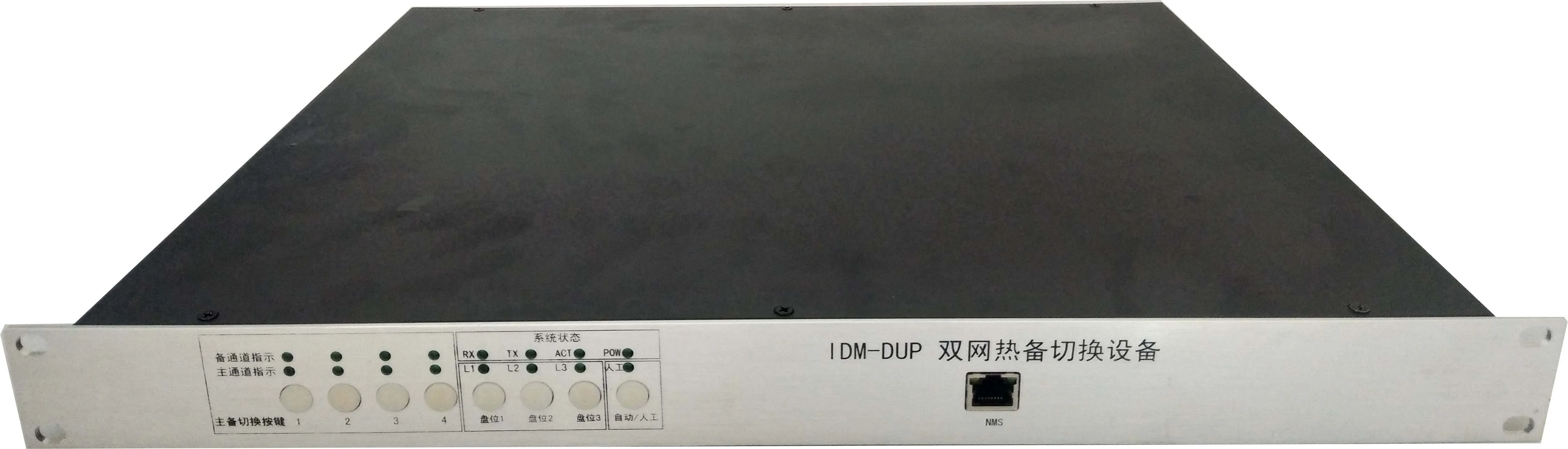
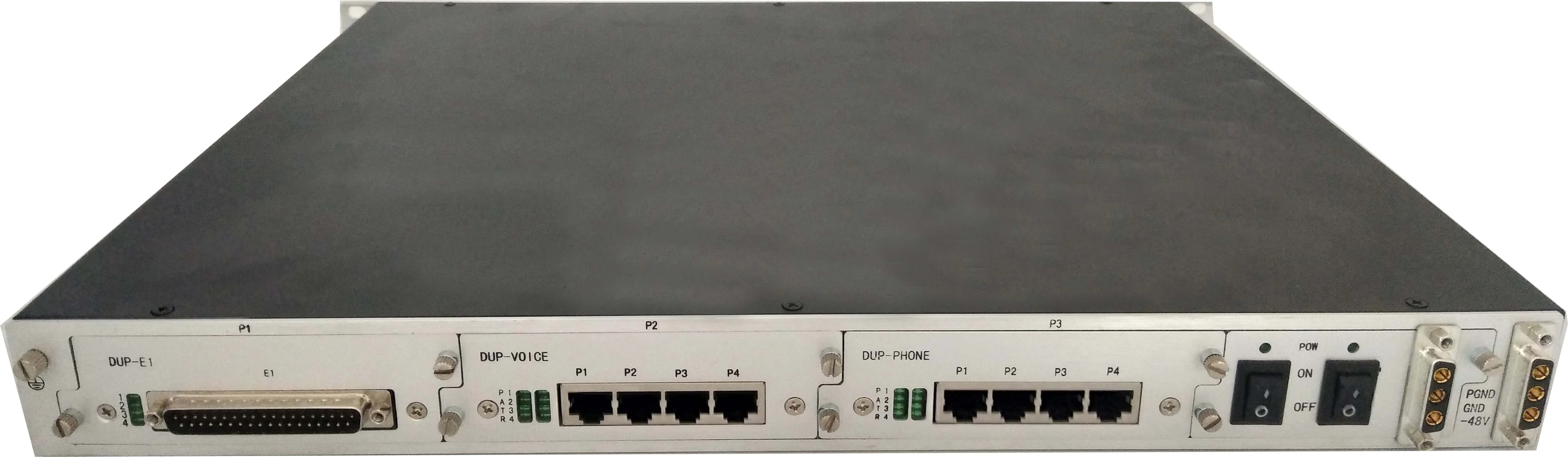
1U Communication Dual-Network Backup Equipment
FAQs
What is the difference between PDH and SDH?
I. PDH PDH is the Plesiochronous Digital Hierarchy, which is divided into the European standard and the…
View answerWhat is an E1 line? What are the core knowledge points?
E1 Basics Frame Structure of the E1 Channel In an E1 channel, 8 bits form one timeslot (TS)…
View answerWhat is E1? How to Use E1
What is E1 The European 30-channel pulse code modulation PCM is abbreviated as E1, with a rate of 2.048Mbit/s.
View answerCommunication Transmission Products
PDH Equipment Physically Isolated Gigabit Multi-service Optical Terminal IDM GP2400 Series Optical Terminal IDM…
View answerIntroduction to EoPDH Technology
Ethernet-over-PDH is a set of technologies and standards used to transport local Ethernet frames over established…
View answer