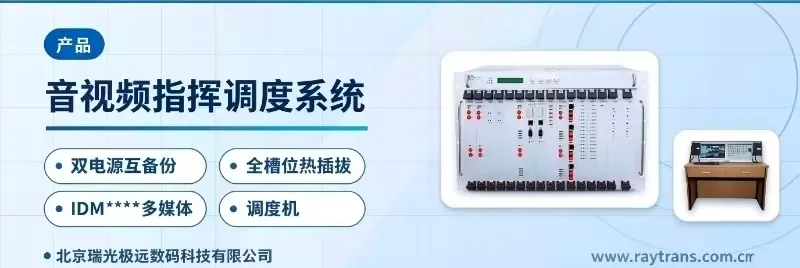
Audio and Video Command and Dispatch System
SDH ring network upgrade without dismantling the existing network, service change by swapping a board in one chassis,
Based on PBX/IPPBX converged communications equipment, it is carefully built for telecom carriers, government, industries, and large and medium-sized enterprise users, with powerful functions. The product is designed with advanced digital integrated circuits, a highly integrated optimized structure, SDH/PDH optical transmission technology, and PBX/IPPBX communication technology. It can be deployed on the enterprise side or in a carrier equipment room, providing users with an integrated audio and video convergence solution.
The audio and video command and dispatch system is a converged communication platform developed by Beijing Ruiguang Jiyuan Digital Technology Co., Ltd. with the IDM multimedia dispatching exchange MSAP-CP as the dispatching and switching core. Designed on the basis of PBX/IPPBX converged communication equipment, it adopts digital integrated circuits, a highly integrated optimized structure, SDH/PDH optical transmission technology and PBX/IPPBX communication technology. It can be deployed in an enterprise-side equipment room or a carrier equipment room, providing telecom carriers, government, industry and large and medium-sized enterprise users with an integrated audio and video solution. As a professional command and dispatch system manufacturer, Raytrans integrates audio and video dispatching, converged dispatching and product showcase capabilities into one, creating this converged communication command and dispatch system for multiple industries.
The system adopts a modular design and board assembly approach, integrating the E1 trunk access and analog extension user functions of traditional TDM PBX switches, and supports PRI, NO.1, NO.7 and SIP/H.323 signaling modes. It can connect to both the traditional PSTN network and the carrier's VOIP softswitch platform, and can transmit voice, fax and data over TDM networks and IP networks. The IDM multimedia dispatching exchange MSAP-CP concentrates SDH optical fiber transmission, E1 access, various 64K Z interfaces, IP communication and various wireless communication access means in a single chassis, providing multimedia communication services such as video, audio, fax and data. Used together with the multimedia dispatching exchange and the dispatch console, the system can meet the deployment requirements of government private network optical fiber communication solutions. At the same time, as an experienced SDH equipment manufacturer, Raytrans provides a stable and reliable transmission foundation for the entire converged communication and audio and video dispatching service.
Key specifications at a glance: 19-inch 7U chassis with 16 slots · 2096×2096 cross-connection · dual mutual-backup power supplies · full-slot hot-swappable · 155M/622M optical ports · integrates SDH/PDH/PCM/IP/IPPBX
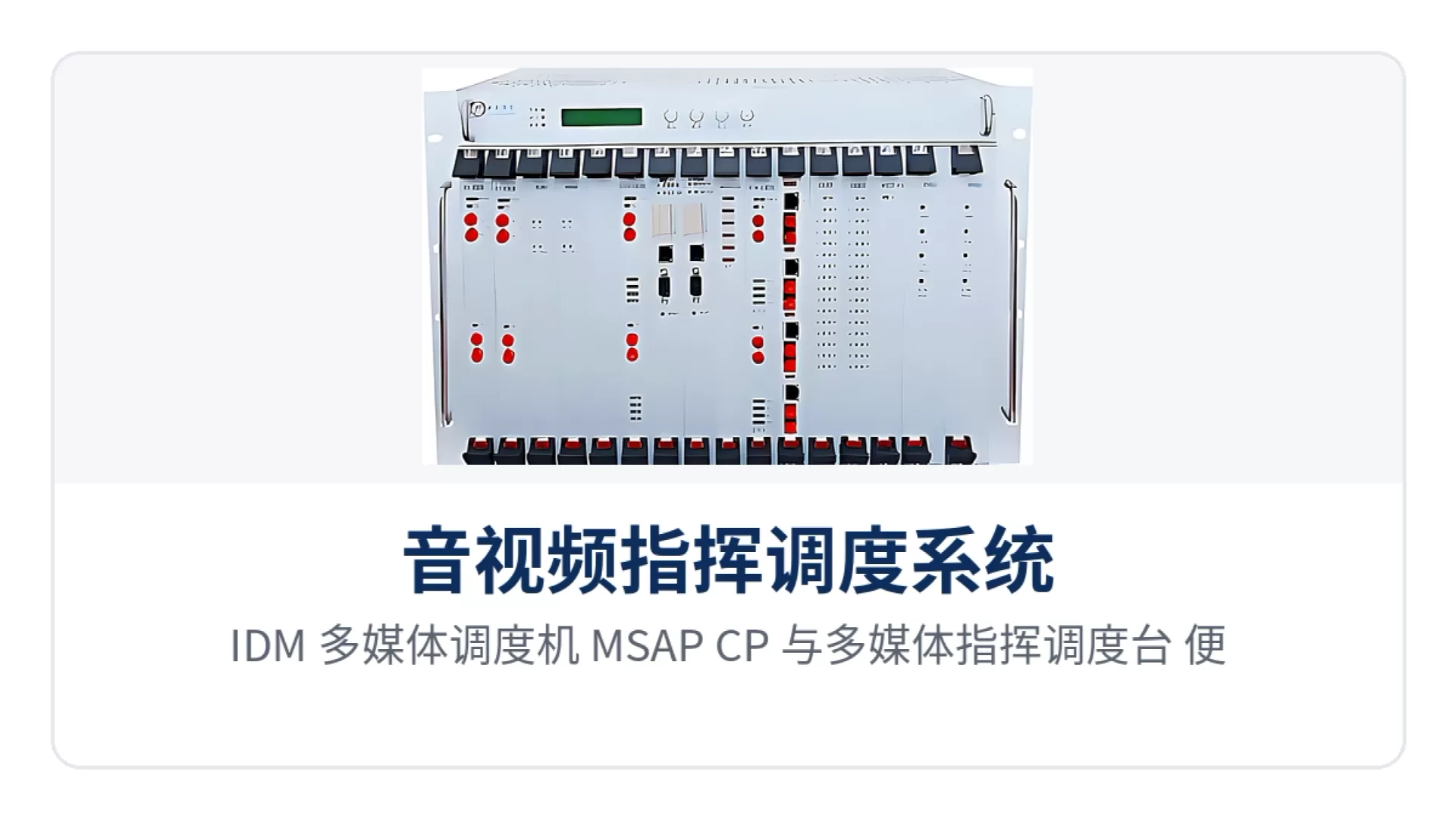
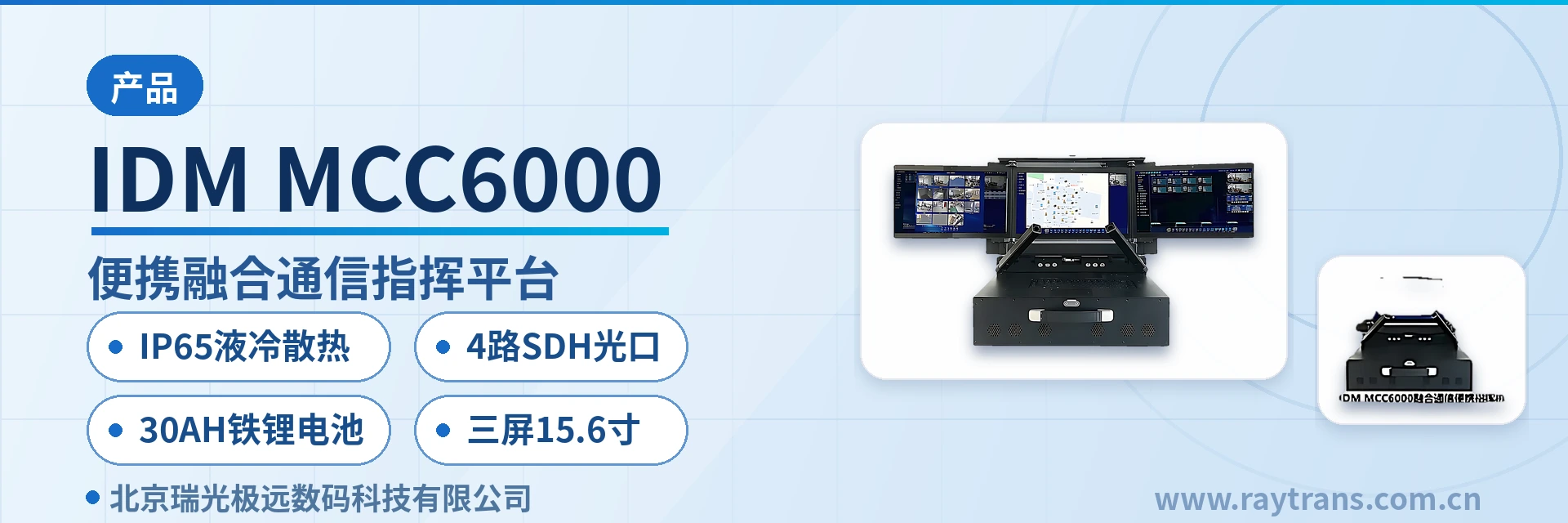
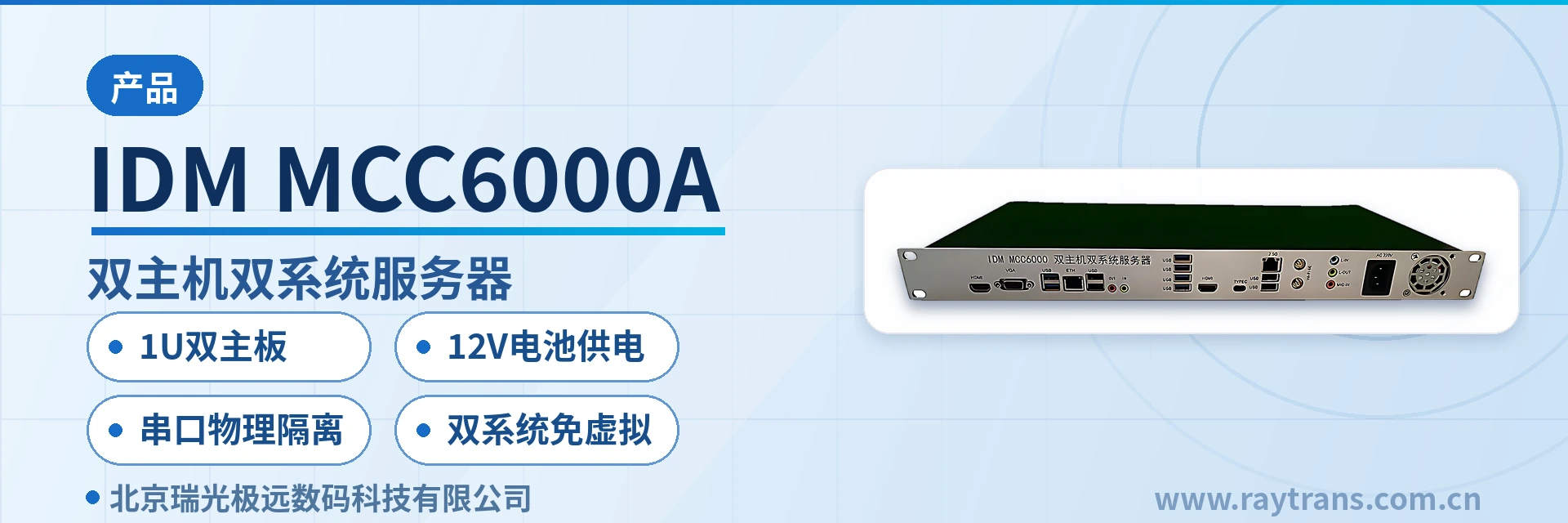
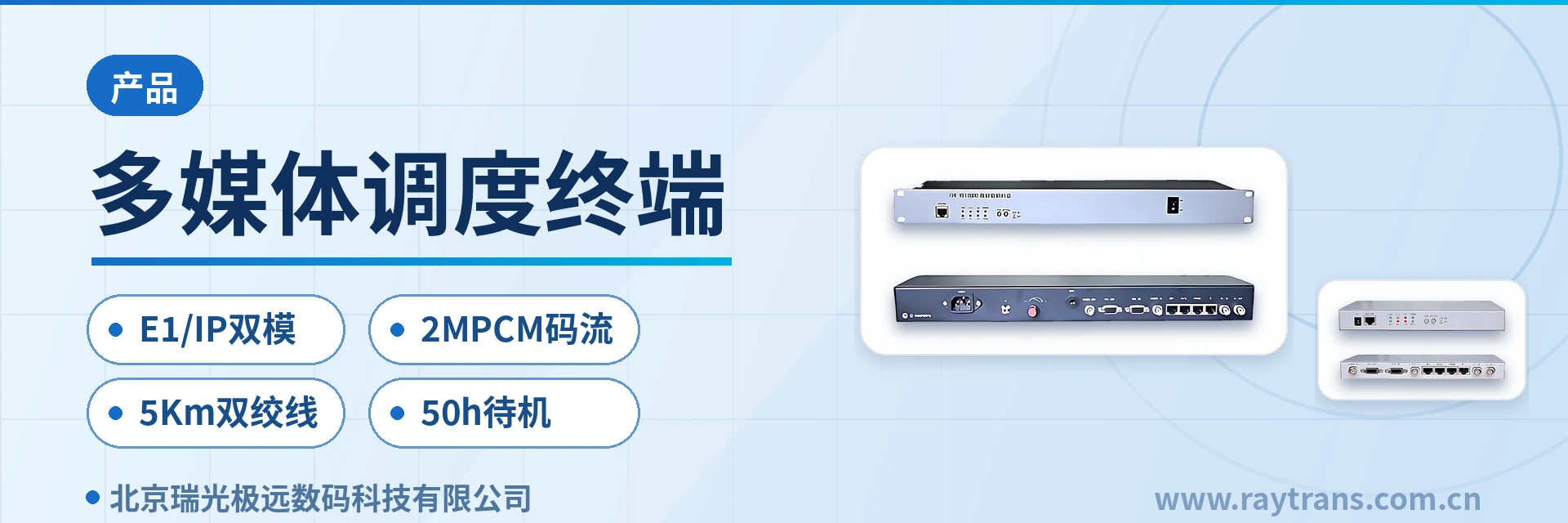
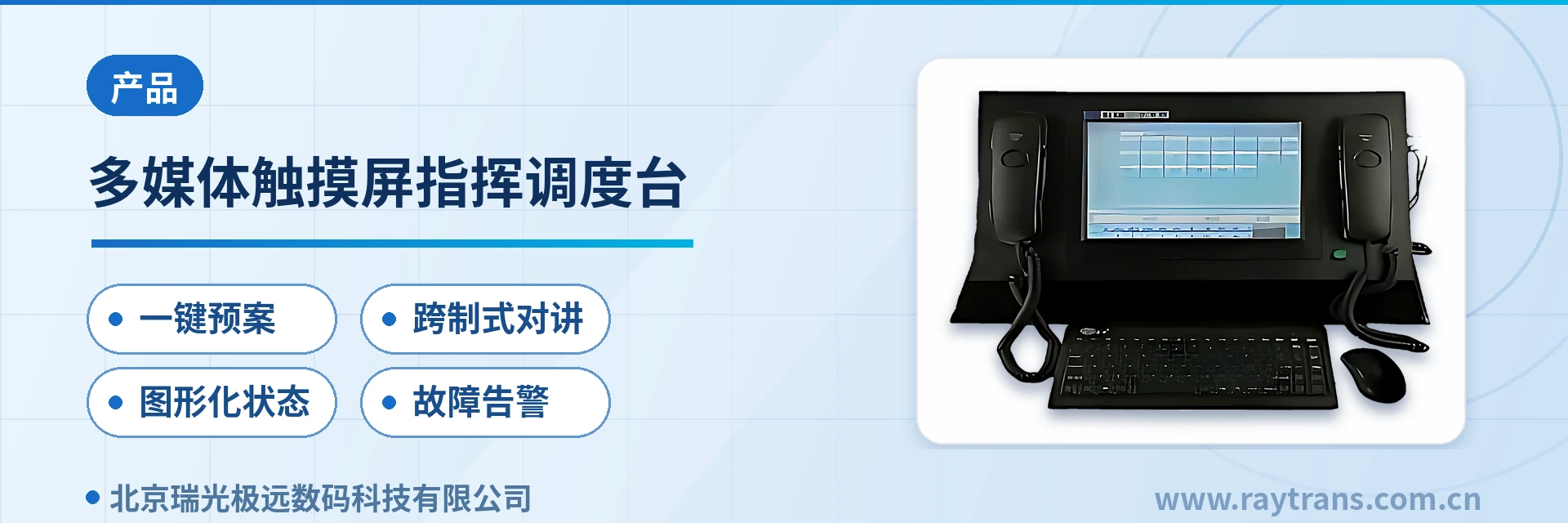
Figure 1: IDM multimedia dispatching exchange MSAP-CP with multimedia command and dispatch console and portable command and dispatch console as a complete equipment set
How the audio and video command and dispatch system is networked: optical fiber ring network, star and tree topologies
The IDM multimedia dispatching exchange MSAP-CP supports a rich variety of networking types, and can form optical fiber ring network, star, tree and other topologies, selected in engineering according to site distribution and reliability requirements. In a private network, the audio and video dispatching system mostly appears in the role of the central end: a 19-inch 7U chassis is placed in the central equipment room, converging the voice, data and video services of each site downward through optical channels, and connecting upward to the backbone transmission plane. As the core node of the converged communication command and dispatch system, the device simultaneously undertakes the dual tasks of audio and video dispatching and converged dispatching, and is a common networking choice in government private network optical fiber communication solutions.
On the backbone side, SDH transmission boards with transmission rates such as STM-1 (155Mbit/s) and STM-4 (622Mbit/s) can be inserted to form the backbone SDH optical transmission network in the audio and video dispatching system, or to connect to an existing SDH transmission network, making full use of the original network transmission resources. This means that an existing SDH ring network does not need to be dismantled and rebuilt; the 155M/622M optical ports can be directly attached to complete the private network dispatch upgrade. For command and dispatch system manufacturers currently making selections, this compatibility effectively protects existing investment; during interfacing, interconnection can also be achieved with the transmission equipment of SDH equipment manufacturers such as Raytrans.
The core value of networking lies in service protection: the device has multi-layer protection capabilities for optical ports, service cards, tributaries and routes. When a section of optical path or a service card in the ring network fails, voice dispatching and video services can continue to be transmitted along the other direction of the ring network or via the standby board. Star and tree topologies are more suitable for industry private networks with clear site hierarchies and phased investment, where the central end is completed in one step and the remote end is expanded on demand. Together with the converged communication command and dispatch system formed by the dispatch console and the multimedia dispatching exchange, highly reliable command and dispatch capabilities can be achieved in government private network optical fiber communication solutions.
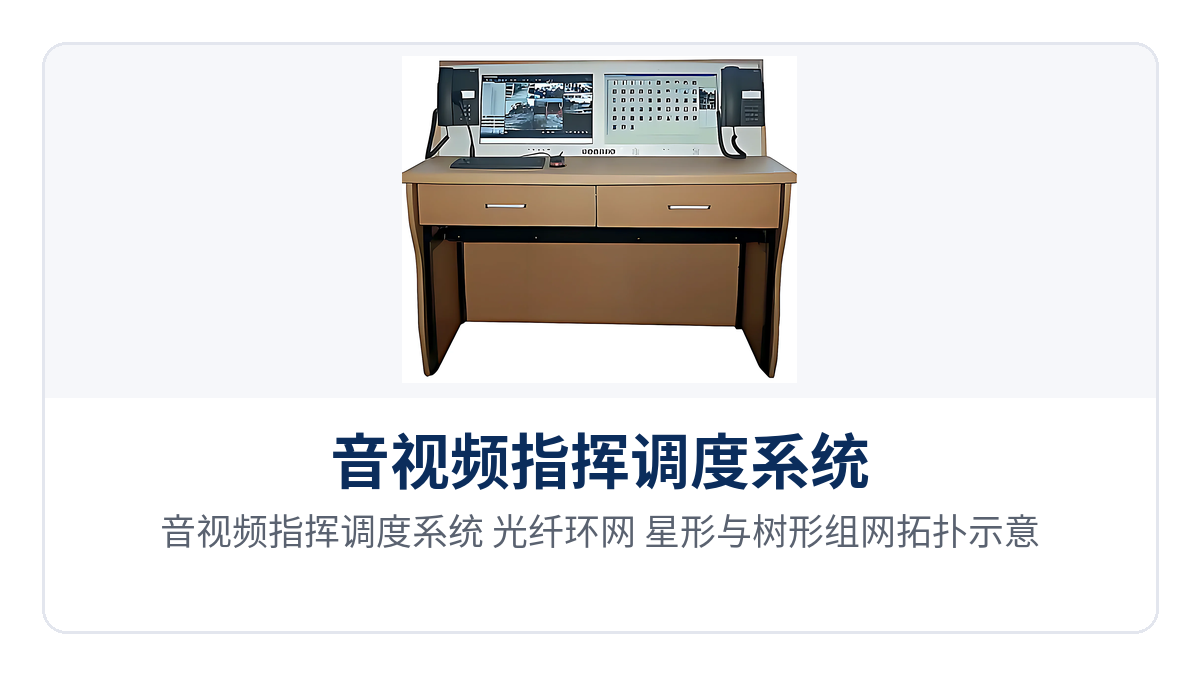
Figure 2: Schematic of optical fiber ring network, star and tree networking topologies for the audio and video command and dispatch system
Core functions and performance specifications
The capabilities of the audio and video command and dispatch system come from a combination of pluggable service cards: changing a card changes the service, while the chassis and backplane remain in long-term use. The following table lists the main functions and roles of the IDM multimedia dispatching exchange MSAP-CP.
Function | Description |
|---|---|
Integrated SDH/PDH/PCM/IP bearer | Integrates SDH, PDH, PCM, IP, IPPBX and TDM OVER IP functions in one, with a single chassis replacing the division of labor of multiple single-function devices in the past |
SDH optical transmission | SDH transmission boards with transmission rates such as STM-1 (155Mbit/s) and STM-4 (622Mbit/s) can be inserted to form the backbone optical transmission network of the audio and video dispatching system, or to connect to an existing SDH transmission network to reuse original resources |
ODXC non-blocking full cross-connect | The ODXC board supports non-blocking full cross-connection of 64×64 VC4 and 2096×2096 VC12 time slots, and supports dual-board mutual backup |
PBX/IPPBX switching core | The PBX/IPPBX board is the core module for dispatching and switching, realizing switching between TDM services and IP services, and supporting non-blocking full cross-connection of 4096×4096 64K time slots |
Signaling conversion | Realizes switching among E1 digital signaling such as PRI, NO.1, NO.7 and V5.2, FXO analog trunk signaling and SIP/H.323 signaling |
Ethernet switching | Gigabit all-optical Ethernet switching board OSW_10GE and Fast Ethernet switching board ESW_8FE can be inserted to form an IP switching network, or to access the local IP switching network through GE/FE ports |
PDH optical tributary access | PDH tributary boards can be inserted to realize PDH optical tributary access, transmitting and accessing audio and video services over PDH optical lines |
64K service interfaces | 64K service interface cards can be inserted to configure N×64K services such as FXO/FXS, 2/4-wire EM, 2/4-wire audio, RS232 and RS422/RS485 as required, and video access cards, high-fidelity voice cards, GSM service cards and GPS/GPRS service cards can also be configured |
E1 termination and trunk interfacing | MSCP-21E1/42E1 interface cards can be inserted to realize the termination of 21/42 E1 services, providing E1 digital trunk interfaces for interfacing with SPC exchanges, or serving as transparent transmission channels for E1 to interface with audio and video terminals and the wired/wireless dispatch gateway IDM 60N |
Multi-bus and multi-type trunks | Based on the multi-bus system of Telecom BUS, IP bus and ST-BUS, it realizes digital trunk, IP trunk and analog trunk modes, and can simultaneously access multiple touchscreen integrated dispatch consoles |
Seamless server connection | Supports seamless connection with voice recording/voice mail servers, network management servers, fax, SMS and email sending and receiving servers, recording/video recording servers, GIS servers and GPS/GPRS servers |
Hot-swappable and dual-board redundancy | All slots support hot-swappable functionality, and important card slots support dual-board mutual backup |
Clock and protection switching | Supports multiple clock source acquisition methods such as line clock extraction, internal clock and external clock, and supports clock source protection switching |
Network management and environmental monitoring | Provides F and f network management interfaces and supporting network management software to realize service configuration and online network monitoring; provides ambient temperature monitoring, controlling fan activation and deactivation according to real-time temperature to save power consumption |
The key specifications are summarized below; items not listed are subject to the manufacturer's technical documentation and commercial confirmation. The following parameters can serve as a technical reference for project selection of the converged communication command and dispatch system.
Item | Parameter/Specification | Description/Applicable Conditions |
|---|---|---|
Chassis structure | 19-inch 7U standard chassis, card-based structure | Flexible configuration, with various service cards configured according to services |
Service slots | 16 | Supports mixed insertion of SDH, PDH, PCM, Ethernet and other service cards |
Power supply mode | AC 220V/DC -48V dual mutual-backup power supplies | AC and DC power supplies back up each other |
Integrated functions | SDH, PDH, PCM, IP, IPPBX, TDM OVER IP | Transmission, access and switching integrated in one unit |
SDH transmission board rate | STM-1 (155Mbit/s), STM-4 (622Mbit/s) | Form a backbone optical transmission network or interconnect with an existing SDH transmission network |
ODXC cross-connect capacity | 64×64 VC4, 2096×2096 VC12 non-blocking full cross-connect | Provided by the ODXC board, supports dual-board mutual backup |
PBX/IPPBX cross-connect capacity | 4096×4096 channels of 64K time-slot non-blocking full cross-connect | Switching between TDM services and IP services |
Ethernet switching card | OSW_10GE (gigabit all-optical), ESW_8FE (Fast Ethernet) | Form an IP switching network or access the local IP switching network through GE/FE ports |
Signaling support | PRI, NO.1, SS7, V5.2 and other E1 digital signaling, FXO analog trunk signaling, SIP/H.323 | Intercommunication with the PSTN and carrier VOIP softswitch platforms |
E1 interface card | MSCP-21E1/42E1, providing 21/42 E1 channels of local termination | E1 digital trunk interface of an SPC exchange, or an E1 transparent transmission channel |
64K service interface | FXO/FXS, 2/4-wire EM, 2/4-wire audio, RS232, RS422/RS485 (N×64K) | Video input cards, high-fidelity voice cards, GSM service cards and GPS/GPRS service cards can also be configured |
Networking topology | Optical fiber ring network, star, tree | Supports multiple network networking types |
Clock source | Line clock extraction, internal clock, external clock | Supports clock source protection switching |
Network management interface | F (Ethernet) and f (serial port) network management interfaces | With supporting network management software, online service configuration and monitoring |
Environmental monitoring | Ambient temperature monitoring of the equipment, with fans controlled by real-time temperature | Balances heat dissipation and overall power consumption |
Transmission distance and overall power consumption | Not yet recorded in the knowledge base | Subject to the manufacturer's technical documentation and commercial confirmation |
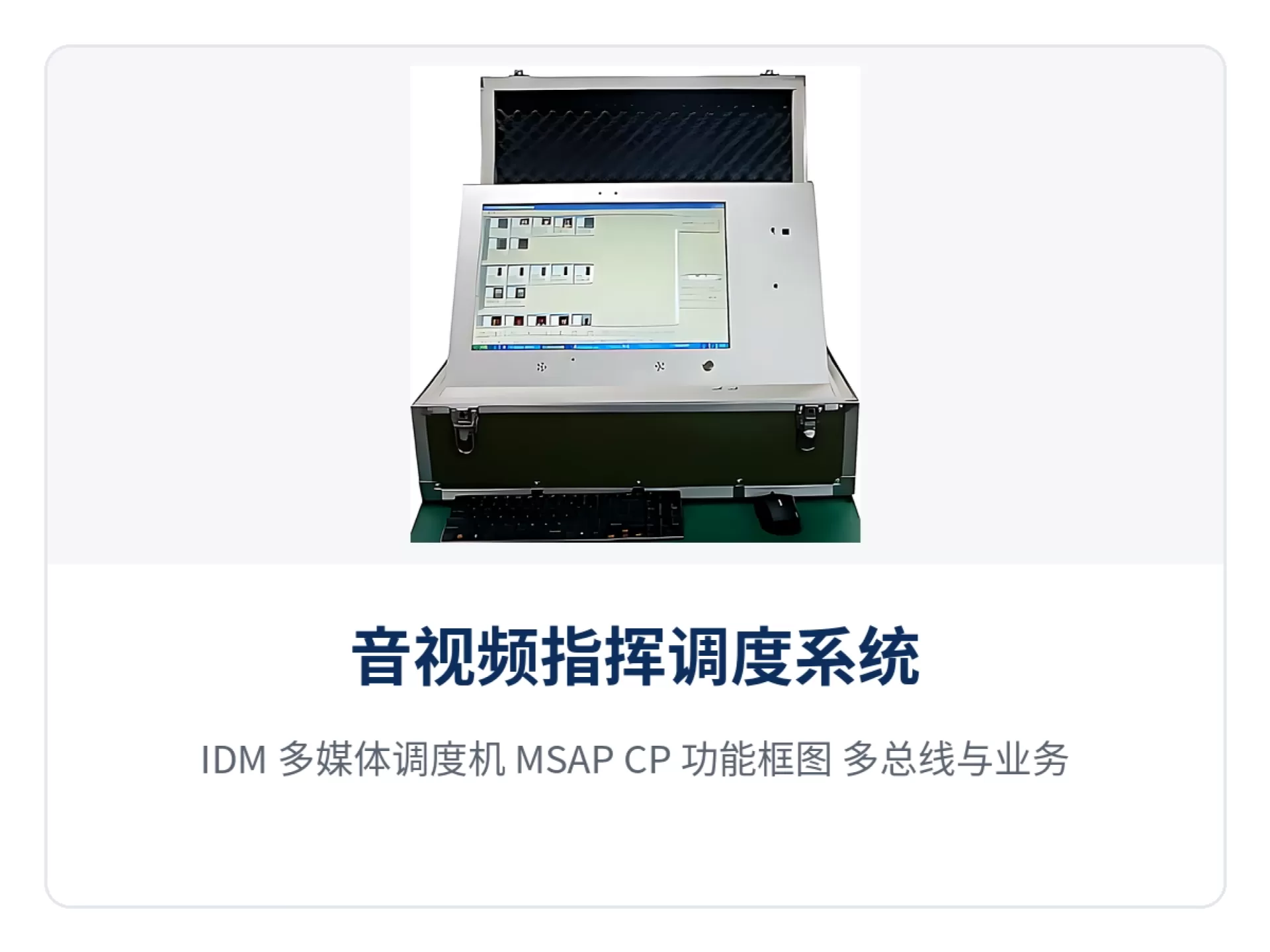
Figure 3: IDM Multimedia Dispatching Exchange MSAP-CP Functional Block Diagram — Multi-Bus and Service Card Capabilities
How 2096×2096 Cross-Connect and Dual-Board Mutual Backup Ensure No Packet Loss Under Heavy Traffic
Cross-connect capacity determines whether services in all directions can be connected simultaneously during peak hours of audio and video dispatching. The ODXC board of the IDM Multimedia Dispatching Exchange MSAP-CP supports non-blocking full cross-connection of 64×64 VC4 and 2096×2096 VC12 time slots, so any input time slot can be switched to any output time slot without waiting for an idle channel.
The 2096×2096 VC12 granularity corresponds to 2Mbit/s-level voice and data time slots, while the 64×64 VC4 granularity corresponds to 155Mbit/s-level channels. Both granularities participate in cross-connection at the same time, so dispatch telephones, E1 trunks, video and Ethernet services in the product showcase can be arranged in the same chassis. The ODXC board supports dual-board mutual backup: when the active cross-connect board fails, services are switched to the standby board, so the cross-connect unit is no longer a single point.
The PBX/IPPBX board carrying voice switching is also designed for non-blocking operation, supporting non-blocking full cross-connect of 4096×4096 channels of 64K time slots, and works with the multi-bus system to complete the connection of digital trunks, IP trunks and analog trunks. For converged communication command and dispatch, this means that functions such as conferencing, group call and barge-in can still be connected reliably during traffic peaks.
How AC 220V/DC -48V Dual Mutual-Backup Power Supplies and Full-Slot Hot Swapping Keep the System Running
Power supply and maintenance methods directly determine the continuous operation capability of a private network equipment room. The IDM Multimedia Dispatching Exchange MSAP-CP supports AC 220V/DC -48V dual mutual-backup power supplies, with the AC and DC supplies backing up each other. When either power supply unit or external power supply is abnormal, the other takes over, so both the existing -48V DC power supply system and the AC power supply system in the equipment room can be used.
For maintenance, all slots support hot swapping, and important card slots support dual-board mutual backup. During capacity expansion, a new service card can be inserted while the power is on, and a faulty card can be replaced without shutting down the whole system. For important card slots assigned the duty of dual-board mutual backup, when the active board is abnormal, the standby board takes over the services, so converged dispatching and command are not affected by a single board failure.
The equipment also provides ambient temperature monitoring, with fans switched on and off according to real-time temperature, striking a balance between heat dissipation and environmental power consumption. Together with the F and f network management interfaces and supporting network management software, O&M personnel can complete service configuration and online network monitoring in the central equipment room, reducing on-site visits for inspection.
What Signaling Does the Audio and Video Command and Dispatch System Support, and How Does It Connect to an Existing Transmission Network
The audio and video command and dispatch system is compatible with both traditional TDM signaling and IP signaling, which is the basis for both upgrading old SPC networks and accessing new-generation softswitch platforms. The equipment can be fitted with a PBX/IPPBX board to implement switching between E1 digital signaling such as PRI, NO.1, SS7 and V5.2, FXO analog trunk signaling and SIP/H.323 signaling, and can connect to the traditional PSTN and carrier VOIP softswitch platforms.
The access side also retains multiple paths: various transmission equipment, trunk equipment, switching equipment, and audio and video terminals can be accessed through optical channels (SDH/PDH), IP (FE/GE), E1, and other means. MSCP-21E1/42E1 interface cards can be inserted to achieve 21/42-channel E1 termination, or used as E1 transparent transmission channels to interface with audio and video terminals and the wired/wireless dispatch gateway IDM 60N.
How the Audio and Video Command and Dispatch System Interconnects with an SPC Exchange
The interconnection point between the audio and video command and dispatch system and the SPC exchange lies in two types of interfaces: E1 digital trunk and analog trunk. In the digital trunk direction, the MSCP-21E1/42E1 interface card provides 21-channel or 42-channel E1 service termination, used as the E1 digital trunk interface to the SPC exchange, with signaling support for PRI, NO.1, SS7, and V5.2.
In the analog trunk direction, the 64K service interface card takes charge, and can be configured with FXO analog trunk interfaces and FXS subscriber interfaces, and supports N×64K services such as 2/4-wire EM, 2/4-wire audio, RS232, and RS422/RS485. The two sets of interfaces coexist, so the SPC exchange can be accessed on the trunk side, while the original analog extension subscribers are retained; during the upgrade, simply configure card by card according to the service list.
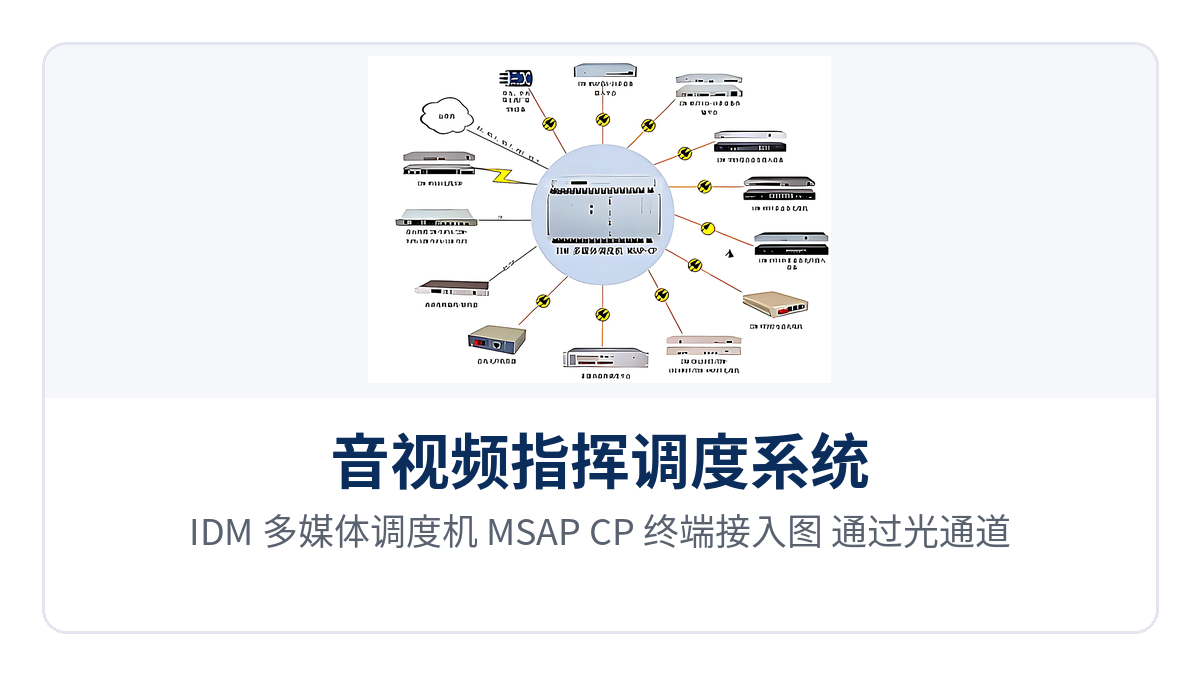
Figure 4: IDM Multimedia Dispatching Exchange MSAP-CP Terminal Access Diagram — Multi-Path Access via Optical Channels, IP, and E1
Differentiated Value: Which On-Site Problems of Private Networks Does the Audio and Video Command and Dispatch System Solve
Differentiated Capability | On-Site Problem Addressed | User Value |
|---|---|---|
64×64 VC4, 2096×2096 VC12 non-blocking full cross-connect, dual-board mutual backup, no packet loss under heavy call handling | During dispatch peaks, services in multiple directions go up and down simultaneously; once the cross-connect unit is blocked or fails, the entire network is affected | Both large-granularity VC4 and 2 Mbit/s-level VC12 time slots can be cross-connected without blocking; the cross-connect board uses dual-board mutual backup, and services switch to the standby board upon a single board failure, so command instructions and conference services can still be connected normally during call handling peaks |
AC 220V/DC -48V dual mutual-backup power supplies, hot-swappable across all slots, dual-board redundancy on important slots prevents downtime | Capacity expansion and maintenance in private network equipment rooms are inconvenient and require power outages; a single power supply or single service card failure interrupts services | AC and DC power supplies back each other up, capacity expansion and card replacement can be performed with power on, and dual-board redundancy on important slots takes over services from a failed board, keeping the equipment room running without interruption |
Integrates SDH/PDH/PCM/IP/IPPBX in one, with 155M/622M optical ports directly attached to the existing transmission network | The existing SDH ring network carries leased-line services, and network teardown and rebuilding is not allowed during upgrades | One 19-inch 7U chassis simultaneously provides optical transmission, voice and data access, and IP dispatching; 155M/622M optical ports directly attach to the existing SDH transmission network, reusing existing network resources for a one-step upgrade |
Typical Application Scenarios
The audio and video command and dispatch system is usually deployed in a private network central equipment room or an emergency command center, interfacing upward with the transmission plane and converging site terminals downward. Different industries place different emphasis on link continuity, interface type, and maintenance approach; the following three scenarios are the more common usages in actual projects.
Government Emergency Command Private Network: Command Instructions and On-Site Video Carried over the Same Network
Emergency command requires the command center to hear the voice and see the site at the same time. A single IDM Multimedia Dispatching Exchange MSAP-CP at the central end can carry E1 trunk, dispatch telephone, and video backhaul services; together with the synchronously accessed touchscreen integrated dispatch console and audio and video terminals, it achieves audio and video integrated converged communication command and dispatch. Video input cards and high-fidelity voice cards are configured as required, multiple service cards are mixed in one chassis, and vehicle-mounted and portable terminals at the emergency site backhaul via optical channels or IP, so the command center completes calls, conferences, and image viewing within one system.
Electric Power and Energy Industry Private Network: Dispatch Telephone and Telecontrol Data Transmitted over the Same Fiber
Substations and power plant sites are distributed, and services include not only dispatch telephone and telecontrol data but also office Ethernet and video surveillance. The 64K service interface card of the IDM Multimedia Dispatching Exchange MSAP-CP can provide FXO/FXS, 2/4-wire EM, RS232, RS422/RS485 and other services, with dispatch telephone and telecontrol data backhauled over the same optical cable channel; the Ethernet switching card handles office and video data. Sites are connected by an optical fiber ring network, so when a section of the optical path fails, services are transmitted in the other direction along the ring, with AC 220V/DC -48V dual mutual-backup power supplies on the power side as a fallback.
Rail Transit and Telecom Carrier Equipment Rooms: 155M/622M Optical Ports Directly Attached to the Existing Transmission Network
Rail transit line sites and telecom carrier equipment rooms often already have an SDH transmission network in operation, and newly added dispatch services should not alter the backbone structure. The IDM Multimedia Dispatching Exchange MSAP-CP can be inserted with STM-1 (155Mbit/s) and STM-4 (622Mbit/s) SDH transmission boards, directly interfacing with the existing SDH transmission network through 155M/622M optical ports, and converging newly added voice, data, and video services onto the original transmission resources. On the equipment room side, it is rack-mounted in a 19-inch 7U standard chassis, and the F and f network management interfaces are incorporated into the existing network management system for unified monitoring.
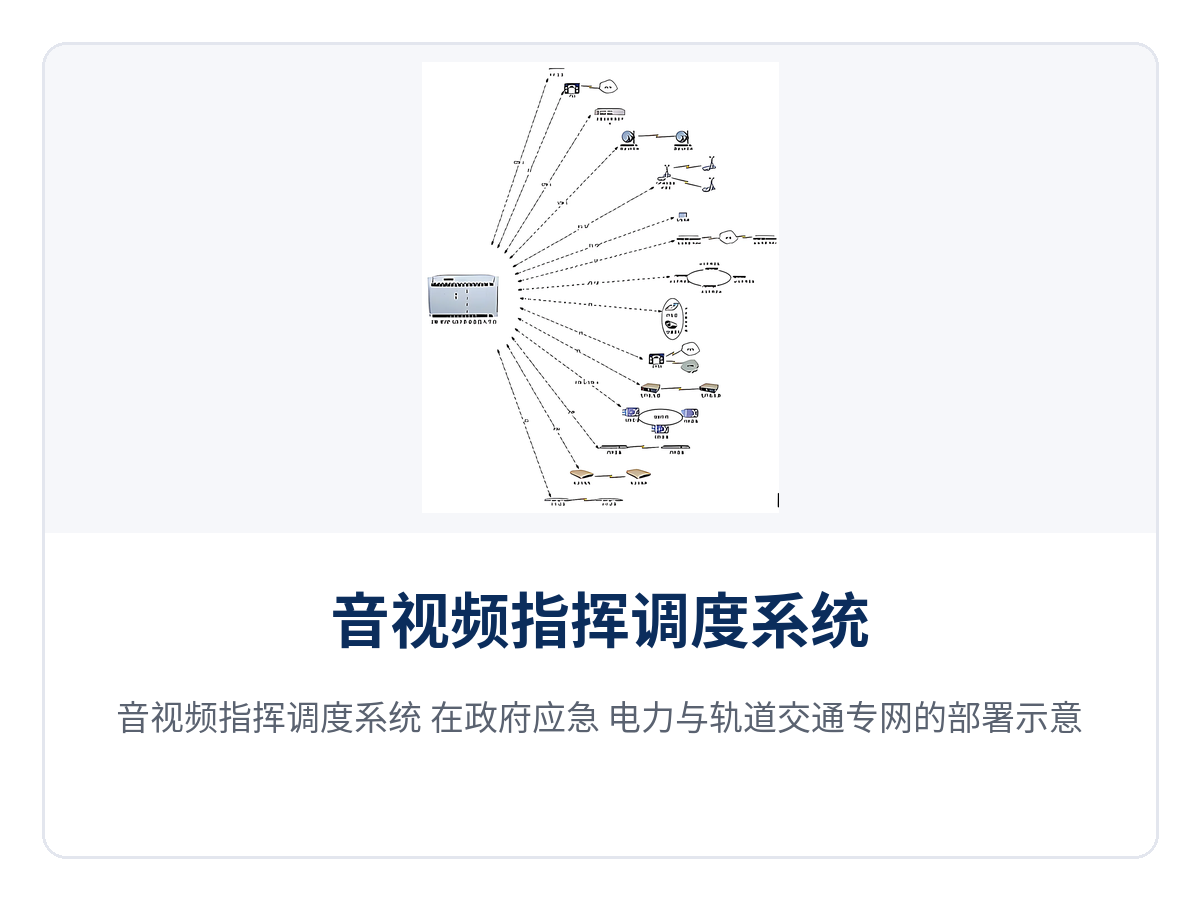
Figure 5: Deployment Diagram of the Audio and Video Command and Dispatch System in Government Emergency, Electric Power, and Rail Transit Private Networks
How to Select the Audio and Video Command and Dispatch System
To select an audio and video dispatching system, first work out the number of sites and the service list, then determine the optical transmission capacity, slot configuration, and backup level. For organizations undertaking the construction of a converged communication command and dispatch system, the following steps can be used for verification:
First sort out the service types: configure FXO/FXS and 2/4-wire interfaces when dispatch telephone and analog extensions are needed, configure RS232 and RS422/RS485 when telecontrol or data channels are needed, and configure video input cards and Ethernet switching cards when product showcase and video consultation are needed.
Then determine the optical transmission capacity: select STM-1 or STM-4 SDH transmission boards when the backbone needs to converge multiple sites; for equipment rooms that already have an SDH transmission network, select boards according to the existing network rate and interfacing requirements — this is also a capability that must be carefully compared when choosing an SDH equipment manufacturer.
Then calculate the number of E1 trunks: when interconnecting with an SPC exchange, select MSCP-21E1 or MSCP-42E1 interface cards according to the number of trunk circuits; when interfacing with audio and video terminals and the wired/wireless dispatch gateway IDM 60N, likewise count by the number of E1 channels.
Also add reliability configurations: for central nodes with high requirements on link continuity, add ODXC dual-board mutual backup, dual-board redundancy on important slots, and optical fiber ring network networking, with power supplied by AC 220V/DC -48V dual mutual-backup power supplies.
Choose the networking approach according to site distribution: choose an optical fiber ring network when sites are distributed along the line and protection is required, or choose star or tree topology when site levels are clear and investment is phased.