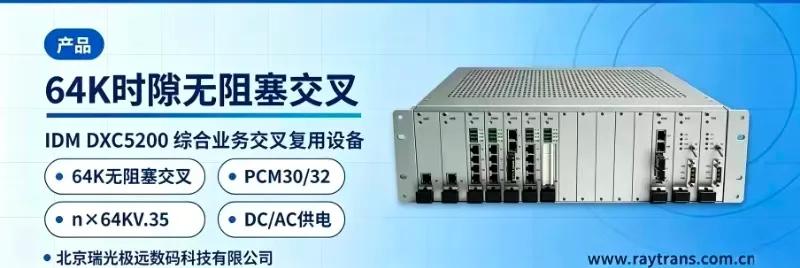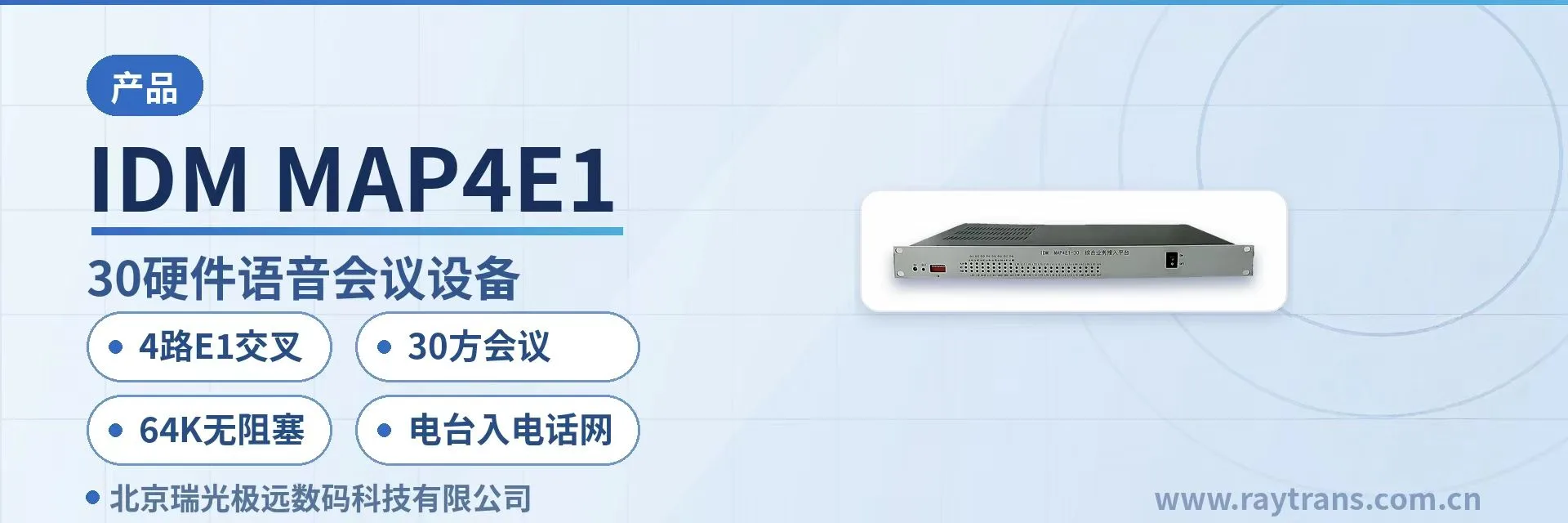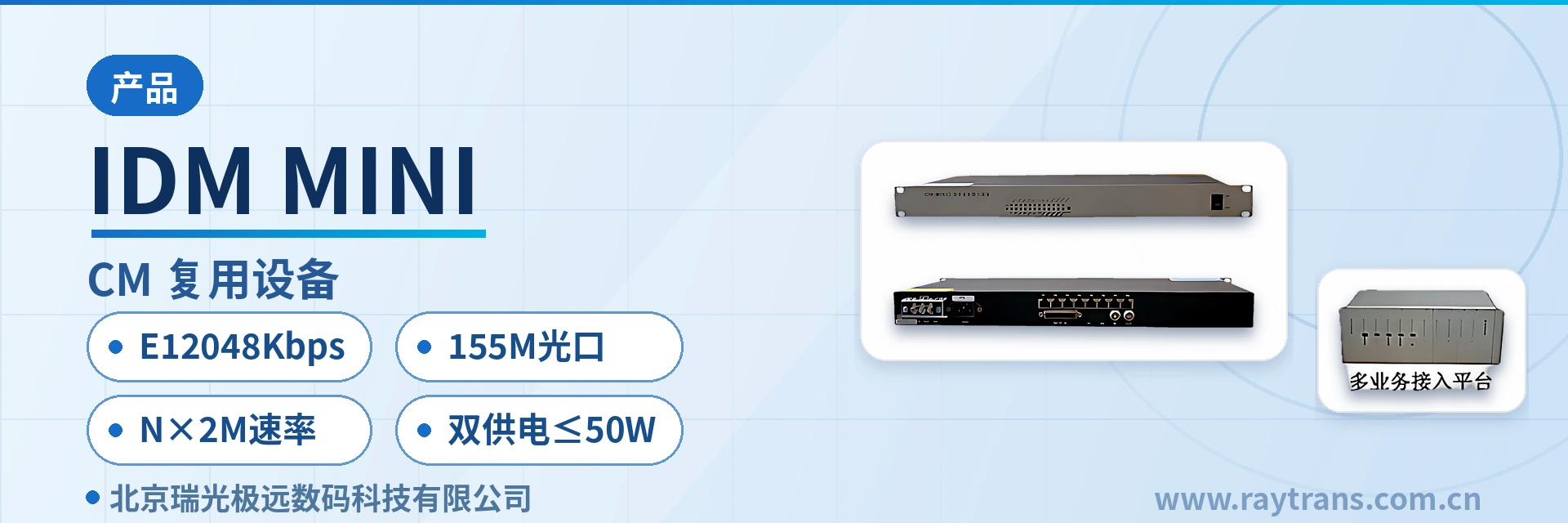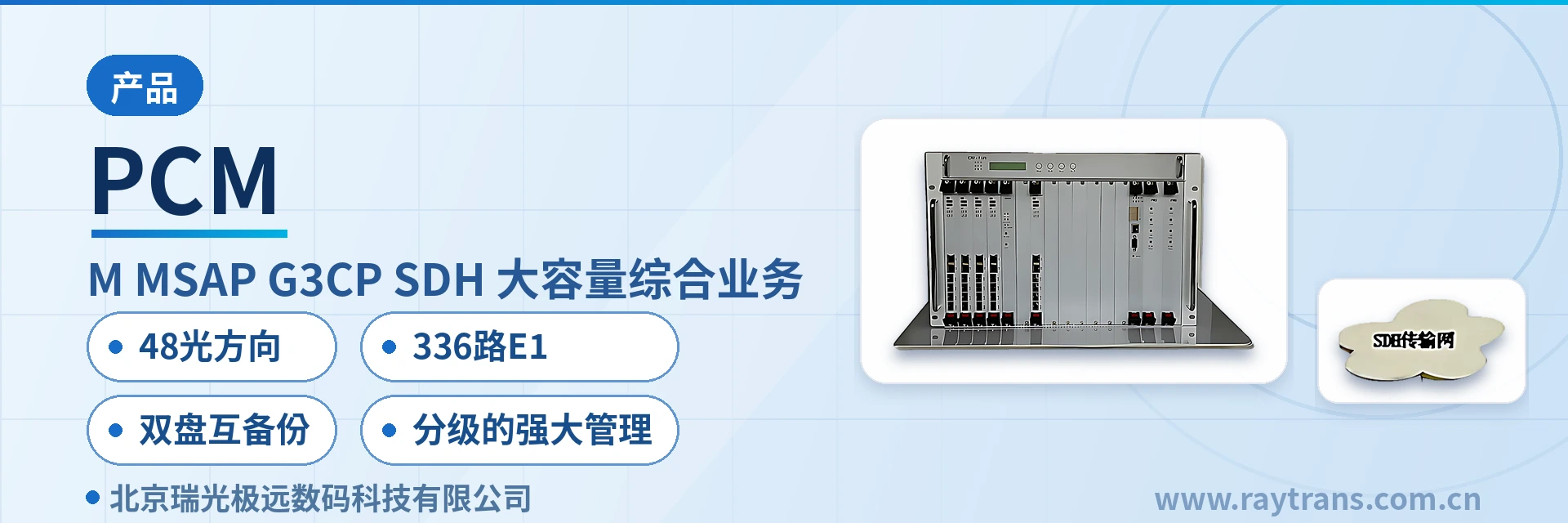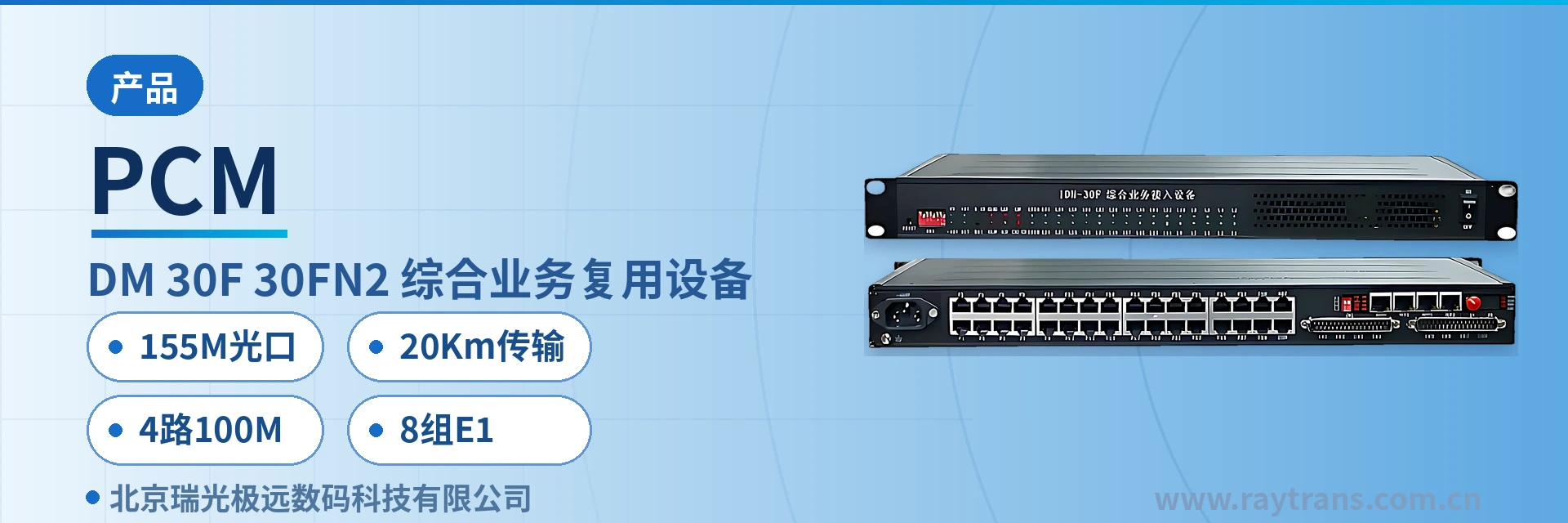
IDM-30F/30FN2 Integrated Service Multiplexer
155M optical port, 8E1, 4 wire-speed 100M, configurable with over 20 types of interface cards
The IDM-30F series integrated service multiplexer uses a standard 19-inch 1U chassis with a transmission rate of 155M. It supports 4 shared wire-speed 100M Ethernet channels with VLAN partitioning and 8 E1 transparent transmission channels simultaneously, and can be configured with over 20 types of interfaces.
The IDM-30F/30FN2 integrated service multiplexer is a 155M optical port integrated service access device developed by Beijing Ruiguang Jiyuan Digital Technology Co., Ltd. It uses a standard 19-inch 1U chassis and takes the 155M optical interface as the PCM transmission backbone, multiplexing voice, data, and Ethernet services for transmission over a single optical fiber. It also provides 4 shared line-rate 100M Ethernet channels with VLAN partitioning and 8 groups of E1 transparent transmission channels, and more than 20 types of interface cards can be configured freely in the chassis. It targets the access layer and trunk transmission of electric power private networks, rail transit private networks, and military/government private networks. As a professional optical multiplexer manufacturer, Ruiguang Jiyuan combines the design concepts of optical multiplexing equipment and integrated service multiplexer in this product, so it can be flexibly applied to scenarios such as government private network optical fiber communication solutions and military emergency communications vehicle solutions, meeting diverse product showcase needs.
What kind of device is the 155M optical port integrated service multiplexer?
The IDM-30F/30FN2 integrated service multiplexer is a 155M optical port integrated service multiplexer developed by Beijing Ruiguang Jiyuan Digital Technology Co., Ltd. It uses a standard 19-inch 1U chassis and takes the 155M optical interface as the transmission backbone, multiplexing voice, data, and Ethernet services for transmission over a single optical fiber. It also provides 4 shared line-rate 100M Ethernet channels with VLAN partitioning and 8 groups of E1 transparent transmission channels, and more than 20 types of interface cards can be configured freely in the chassis. It targets the access layer and trunk transmission of electric power private networks, rail transit private networks, and military/government private networks. As a typical PCM integrated service access device, it is often classified under optical multiplexing equipment and integrated service multiplexer in product showcases, and it is also one of Ruiguang Jiyuan's main models at the access layer as an optical multiplexer manufacturer, widely used in government private network optical fiber communication solutions and military emergency communications vehicle solutions.
Key Specifications at a Glance: 155M optical port · 20 km transmission · 4× 100M · 8 groups of E1 · more than 20 types of interface cards · 1U chassis · AC 220 V/DC -48 V power supply
The IDM-30F/30FN2 integrated service multiplexer addresses the access problem of "one optical fiber, multiple services, mutually isolated." The 155M transmission backbone carries the multiplexed service flows, with voice, low-speed data, and Ethernet each occupying an independent channel: the 8 groups of E1 transparent transmission channels connect to existing transmission equipment, the 4 Ethernet channels carry IP services, and the voice and data interfaces are configured with interface cards according to the number of on-site voice channels and data ports. The unit is a 19-inch 1U chassis with dimensions of 495×307×47 (mm) (length×depth×height), and it can be mounted directly in a standard cabinet, occupying 1U of height.
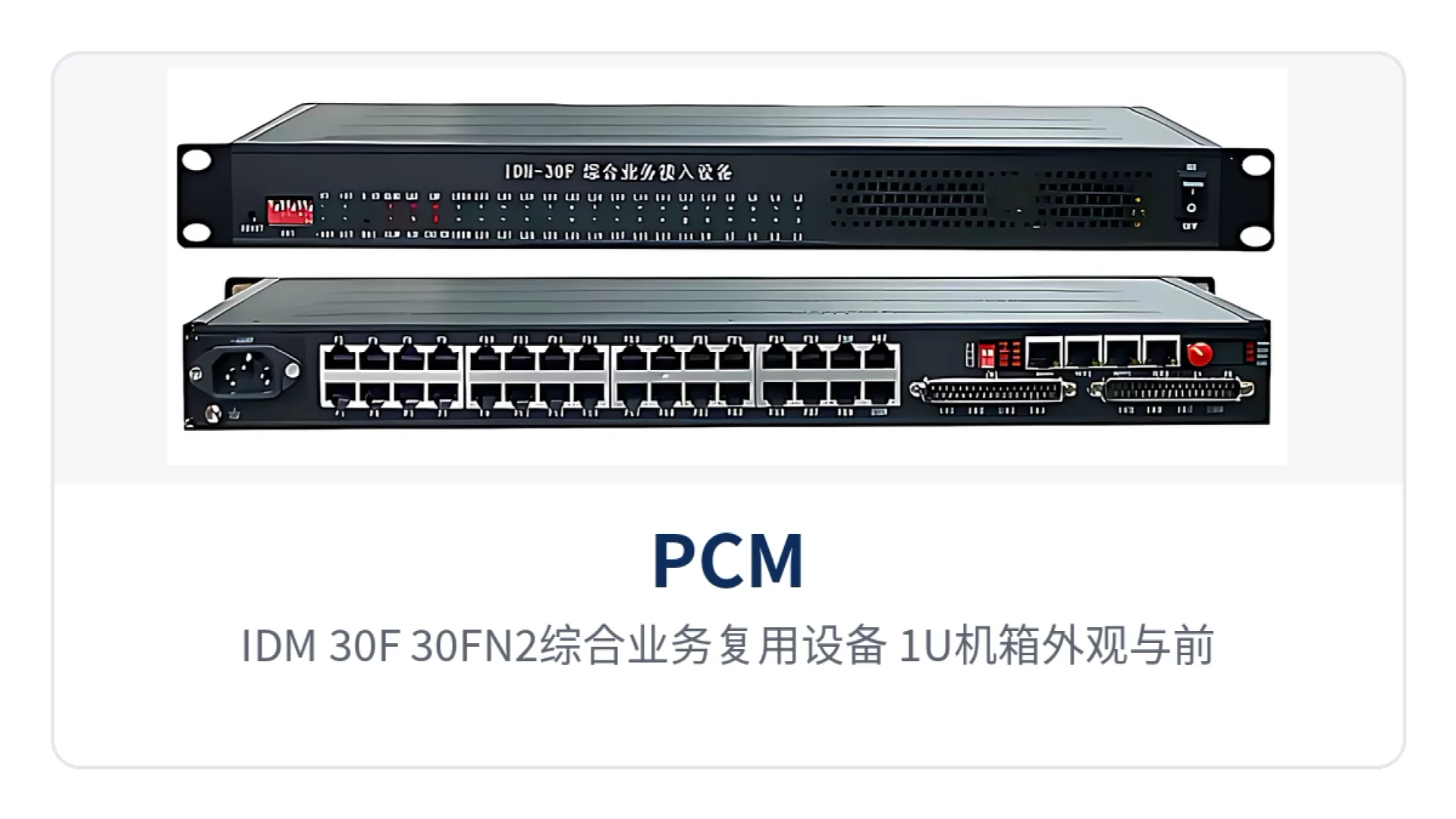
Figure 1: IDM-30F/30FN2 integrated service multiplexer 1U chassis appearance and front panel alarm indicator LED close-up
Which services can one device run at the same time?
The IDM-30F/30FN2 integrated service multiplexer concentrates 155M optical transmission, 8 groups of E1 transparent transmission, 4 Ethernet channels, and voice and data access in the same 1U device. The implementation of each service is shown in the table below.
Function | Description |
|---|---|
155M optical transmission | Uses the 155M optical interface as the service aggregation and transmission backbone, with a receive/transmit rate of 155M/155M and receive/transmit wavelengths of 1310 nm/1550 nm over single-mode fiber (multi-mode optional), to send the multiplexed service flows onto the optical fiber. |
8 groups of E1 transparent transmission | Provides 8 groups of E1 transparent transmission channels with a bit rate of 2048 Kbps, HDB3 line coding, ITU-T G.703 as the standard protocol, 75 Ω impedance, PCM30/31 frame structure, and channel-associated signaling, for connection to existing E1/2M transmission channels. |
4 Ethernet channels | Provides 4 shared line-rate 100M Ethernet channels with RJ-45 interface type, IEEE 802.3u as the standard protocol, and full/half duplex/adaptive operating mode, with VLAN partitioning to carry IP services. |
Voice interface (FXO/FXS) | Supports FXO/FXS telephone access, with an audio range of 300 Hz to 3400 Hz, ITU G.711 A-law compression, three-element complex impedance of 200 Ω + 560 Ω//0.1 μF, and a loop current of 25 mA per channel. |
EM 2/4-wire audio | Audio range of 300 Hz to 3400 Hz, balanced 600 Ω impedance, ITU G.711 A-law compression, and return loss of no less than 18 dB. |
V.24/RS232 data | Interface transmission rate: asynchronous ≤9600 bps, synchronous 64 Kbps; electrical characteristics comply with the CCITT V.28 protocol. |
V.35 data | Interface type RJ-45; electrical characteristics comply with ITU-T V.35; transmission rate N×64 Kbps (N=0–31); terminal interface complies with ISO2593. |
Freely configurable interface cards | More than 20 types of interface cards can be configured freely in the 1U chassis, combining voice, audio, low-speed data, V.35, and Ethernet interfaces according to on-site services. |
Dual power supply | Power supply mode AC 220 V/DC -48 V, overall power consumption ≤50 W, adaptable to both AC equipment rooms and DC power supply environments. |
The four Ethernet channels share line-rate 100M bandwidth, and VLAN partitioning places different services in different virtual LANs, so daily office, video surveillance, and dispatch data each use their own VLAN; the 8 groups of E1 channels are transmitted independently and do not occupy each other's capacity.
Key Specifications and Technical Specifications
The IDM-30F/30FN2 integrated service multiplexer has many interface types. The optical interface, E1, Ethernet, voice, audio, V.24/V.35, and power supply environment parameters are listed item by item in the table below for selection and engineering calculation reference.
Item | Parameter/Specification | Description/Applicable Conditions |
|---|---|---|
Optical interface type | FC (SC and other interfaces can be customized) | The optical interface is optional according to the on-site patch cord type. Specify in advance if SC or other interfaces are required. |
Fiber mode | Single-mode (multi-mode optional) | Single-mode fiber by default; multi-mode is optional. |
Receive/transmit rate | 155M/155M | Receive and transmit at the same rate, forming a 155M transmission backbone. |
Receive/transmit wavelength | 1310nm/1550nm | Receive and transmit use 1310nm and 1550nm wavelengths respectively. |
Transmit optical power | -2~-11dBm | Optical transmit specification, depending on the optical module provided. |
Receiver sensitivity | Better than -36dBm | Optical receive specification; receiver sensitivity is rated as better than -36dBm. |
Transmission distance | 20Km; long-distance optical modules can be optionally installed for longer optical fiber transmission | 20Km is the transmission distance under standard configuration; longer distances require optional long-distance optical modules. |
E1 bit rate | 2048Kbps | Base group rate of the E1 channel. |
E1 line coding | HDB3 | E1 line coding. |
E1 standard protocol | Supports ITU-T G.703 | Interoperates with transmission equipment compliant with ITU-T G.703. |
E1 impedance | 75 Ω | Configured as a 75 Ω unbalanced interface. |
E1 frame structure | PCM30/31 | Interconnects with PCM30/31 frame structure channels. |
E1 signaling | Channel-associated signaling | Signaling is transmitted along with the voice channel. |
Ethernet interface type | RJ-45 | Standard Ethernet electrical interface. |
Ethernet transmission rate | N×2.048Kbps (N≤30) | Single-channel service capacity is configured as N×2.048Kbps. |
Ethernet standard protocol | Supports IEEE802.3u | Interoperates with devices compliant with IEEE802.3u. |
Ethernet operating mode | Adaptive half-duplex/full-duplex | Adaptively negotiated with the switch at the opposite end. |
FXO/FXS audio range | 300Hz~3400Hz | Voice frequency band range. |
FXO/FXS compression | ITU G.711 A-law | Voice encoding uses G.711 A-law. |
FXO/FXS impedance | Three-element complex impedance 200Ω+560Ω//0.1μF | Analog voice channel interface impedance. |
FXO/FXS loop current | 25mA/channel | Loop current of each voice channel. |
EM 2/4-wire audio range | 300Hz~3400Hz | Frequency band range of the audio interface. |
EM 2/4-wire impedance | Balanced 600 Ω | Balanced 600 Ω audio interface. |
EM 2/4-wire compression | ITU G.711 A-law | Audio encoding uses G.711 A-law. |
EM 2/4-wire return loss | No less than 18 dB | Return loss specification of the audio interface. |
V.24 transmission rate | Asynchronous ≤9600bps; synchronous 64Kbps | Synchronous and asynchronous operating modes. |
V.24 electrical characteristics | Compliant with CCITT V.28 protocol | Interfaces with V.28 interface equipment. |
V.35 interface type | RJ-45 | V.35 services are provided via RJ-45. |
V.35 electrical characteristics | Compliant with ITU-T V.35 recommendation | Interfaces with equipment compliant with ITU-T V.35 recommendation. |
V.35 transmission rate | N×64Kbps (N=0–31) | The rate is allocated as N×64Kbps. |
V.35 terminal interface | Compliant with ISO2593 | The terminal interface is configured as specified in ISO2593. |
Power supply mode | AC220V/DC-48V | AC or DC power supply can be selected according to equipment room conditions. |
Overall power consumption | ≤50W | Overall power consumption specification, for calculating the equipment room power supply capacity. |
Operating temperature | 0ºC--40ºC | Operating temperature range of the unit. |
Relative humidity | ≤90% (non-condensing) | Humidity requirement of the operating environment; non-condensing. |
Product dimensions | 495×307×47(mm) | 19-inch 1U chassis, can be mounted in a standard cabinet. |
The optical interface is replaceable: the standard configuration is an FC interface with single-mode fiber; when SC and other interfaces or a longer distance are required, select the option according to the project description. Two power supply modes are offered, AC220V and DC-48V; confirm according to on-site power supply conditions before delivery.
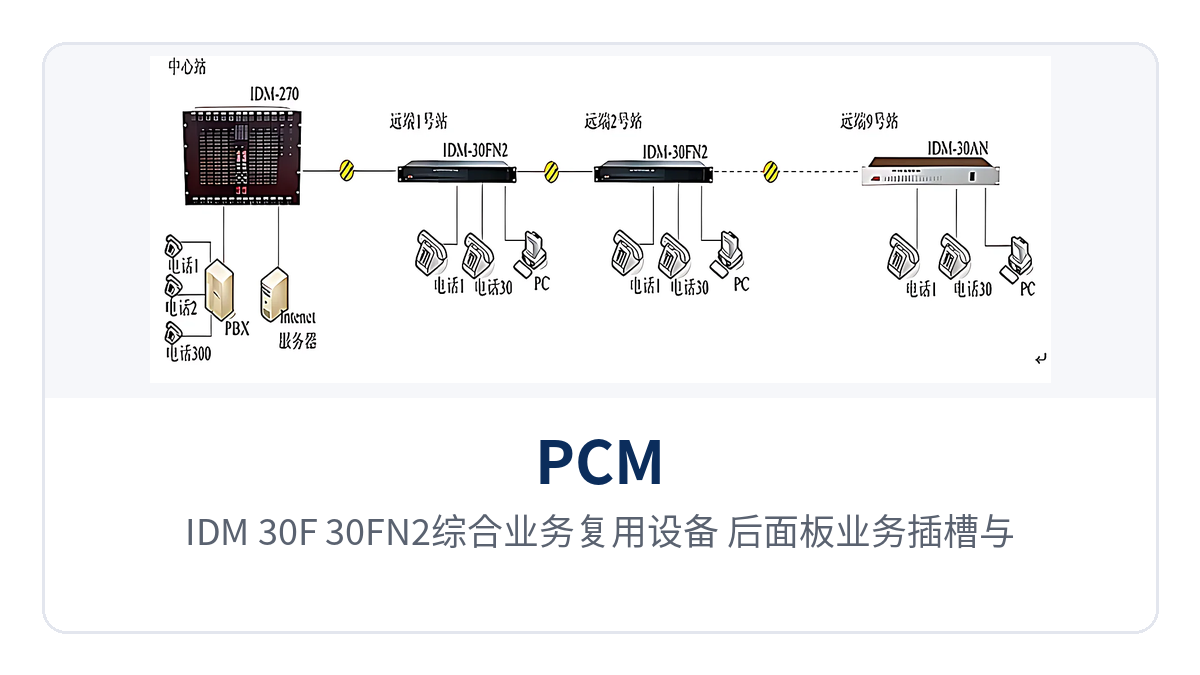
Figure 2: IDM-30F/30FN2 integrated service multiplexer rear panel service slots and 155M FC optical interface
How are VLANs partitioned on the 4-channel 100M Ethernet?
The 4-channel 100M Ethernet can be partitioned into VLANs to achieve service isolation, separating IP services for different purposes into virtual LANs that do not communicate with each other. The IDM-30F/30FN2 integrated service multiplexer provides 4 shared line-rate 100M Ethernet channels, with RJ-45 interface type, standard protocol support for IEEE802.3u, and operating mode of full/half duplex/adaptive.
One network per channel: the 4 Ethernet channels can connect to the dispatch data network, video surveillance network, office network and device management network respectively, with each channel assigned to one VLAN.
Shared backbone: the 4 channels share the line-rate 100M bandwidth and the same 155M optical transmission backbone, so there is no need to lay a separate optical fiber for each type of service.
No crosstalk on the hardware side: VLAN partitioning performs tag isolation at the switching level, and broadcast packets do not flood across VLANs.
Therefore, the 4-channel wire-speed 100M Ethernet can be partitioned into VLANs, with 8 groups of E1 transparent transmission, and service isolation is guaranteed: Ethernet services are isolated by VLAN, E1 services are isolated by independent channel, and the two types of services each use their own channels within the same unit.
What is the difference between 8 groups of E1 transparent transmission and ordinary E1 interfaces?
8 groups of E1 transparent transmission means the unit carries 8 E1 links onto the optical fiber as they are and back down again, without re-framing or time slot reordering of the accessed E1 services. The E1 channel of the IDM-30F/30FN2 integrated service multiplexer has a bit rate of 2048Kbps, line coding HDB3, standard protocol support for ITU-T G.703, impedance 75Ω, frame structure PCM30/31, and channel-associated signaling.
Friendly to existing equipment: the E1 ports of central office switches, PDH/SDH equipment, and electric power protection and telecontrol equipment can be connected directly to the E1 channels, and the equipment at both ends works in its original way.
Independent groups: the 8 E1 channels are independent of each other, and the service volume of one channel does not affect the other channels.
Extended distance: the transmission distance of E1 cables is limited; after the services are carried onto the optical fiber by the unit, they are transmitted within 20Km, which is equivalent to extending the E1 link to the remote station.
Note that the transparent transmission channel does not change the E1 frame structure, so the frame structure and signaling mode at both ends must be consistent with the accessed equipment. Before access, it is recommended to check the frame structure and signaling configuration of the existing E1 ports.
How far can the 155M optical port transmit?
The standard transmission distance of the 155M optical port is 20Km, and longer distances can be achieved with optional long-distance optical modules. The optical interface type of the IDM-30F/30FN2 integrated service multiplexer is FC (SC and others can be customized), with receive/transmit rate of 155M/155M, receive/transmit wavelength of 1310nm/1550nm, transmit optical power of -2~-11dBm, and receiver sensitivity better than -36dBm.
Standard configuration: 20Km, suitable for station spacing such as substation to dispatch center and trackside equipment room to control center.
Longer distance: the 155M optical port transmits 20Km, and long-distance optical modules can extend it to cover long-distance private network backbones; the actual distance depends on the selected optical module, optical fiber type and connector loss.
Calculation method: the link budget is calculated from the margin between transmit optical power and receiver sensitivity; connectors, splice points and the number of patch cords all consume margin, so it is recommended to reserve a certain optical power margin in engineering.
How are the more than 20 types of interfaces configured?
The more than 20 types of interfaces are configured in the order of "count services first, then configure cards, then check bandwidth", and there is no need to fill all slots at once. The Raytrans IDM-30F/30FN2 integrated service multiplexer uses a 19-inch 1U chassis, in which more than 20 types of interface cards can be configured at will, covering FXO/FXS voice, EM 2/4-wire audio, V.24/RS232, V.35, E1 and Ethernet, meeting the multi-service access requirements in the product showcase.
Count the on-site service ports: tally the number of voice channels, audio channels, V.24/V.35 data ports and Ethernet port requirements to form an interface list.
Select cards according to the list: select the corresponding interface cards for voice, audio and data services, and arrange the number of plug-in cards in the nearest slots.
Check the transmission capacity: compare the total service volume with the capacity of the 8 groups of E1 transparent transmission channels and the 4-channel 100M Ethernet channels; if capacity is insufficient, add E1 channels or adjust service allocation.
Check power supply and installation: confirm whether to use AC220V or DC-48V according to equipment room conditions, and reserve cabinet space and heat dissipation clearance according to the 1U chassis dimensions of 495×307×47(mm).
Differentiated value: 155M optical port over 20Km, 4-channel 100M with VLAN partitioning, dual power supply with DC power
Differentiation Point | Value to the User |
|---|---|
155M optical port transmits 20Km | The 155M optical port transmits 20Km, and long-distance optical modules can extend it to cover long-distance private network backbones |
4-channel wire-speed 100M Ethernet can be partitioned into VLANs | The 4-channel wire-speed 100M Ethernet can be partitioned into VLANs, with 8 groups of E1 transparent transmission, and service isolation is guaranteed |
Dual power supply, AC220V/DC-48V optional | Dual power supply, AC220V/DC-48V optional, suitable for DC power supply environments in substations and equipment rooms |
Three capabilities come together in a single 1U device: the 155M optical port solves the problem of long-distance links between sites, 4-channel VLAN-capable 100M Ethernet and 8 groups of E1 transparent transmission solve the problem of carrying multiple service types over the same cable without interfering with one another, and AC220V/DC-48V dual power supply solves the problem of DC power supply adaptation in substations and communications equipment rooms. As an optical multiplexer manufacturer, Raytrans integrates the capabilities of PCM, optical multiplexing equipment and integrated service access devices into one integrated service multiplexer.
What Are the Typical Application Scenarios?
Depending on the industry, the IDM-30F/30FN2 integrated service multiplexer can be deployed in three types of sites: electric power private networks, rail transit private networks, and military/government private networks, where it handles the multiplexing and transmission of voice, data and Ethernet services.
Electric Power Private Networks
Sites in electric power private networks are distributed along transmission lines, and the distance from a substation to the dispatch center is often between a few kilometers and twenty kilometers. The IDM-30F/30FN2 integrated service multiplexer puts services directly onto optical fiber through its 155M optical port, and the 20Km transmission distance covers such inter-station links; 4-channel VLAN-capable 100M Ethernet separately carries protection information, video surveillance and office services, while 8 groups of E1 transparent transmission interface with the 2M channels of protection devices and telecontrol equipment, achieving 20Km direct optical fiber from substation to dispatch center, 4-channel VLAN isolation plus 8 groups of E1, with one device connecting the electric power private network. Substations are mostly DC power supply environments, and the selectable AC220V/DC-48V dual power supply can be connected directly to the DC distribution panel in the equipment room.
Rail Transit Private Networks
Trackside equipment rooms along rail transit lines have limited space and short maintenance windows, so equipment footprint and O&M workload are both constraints. The IDM-30F/30FN2 integrated service multiplexer uses a 19-inch 1U chassis, fitting 155M optical transmission, more than 20 freely configurable interfaces and 4-channel Ethernet into 1U of height; trackside equipment rooms only need to select interface cards according to service requirements. With a 155M backbone plus more than 20 freely configurable interfaces, one 1U chassis completes converged communication, saving both space and O&M effort in trackside equipment rooms.
Military and Government Private Networks
Access points in military and government private networks are often distributed across field stations and remote camps, requiring long-distance transmission, DC power supply and service isolation. The IDM-30F/30FN2 integrated service multiplexer covers 20Km links with 155M optical transmission, interfaces with existing private network transmission equipment through 8 groups of E1 transparent transmission channels, carries command and office services over 4-channel VLAN-capable 100M Ethernet, and adapts to the power supply conditions of vehicle-mounted and field stations with DC-48V DC power supply. With isolated multiplexing of multiple services, it is a private network backbone link device form worth considering in government private network optical fiber communication solutions and military emergency communications vehicle solutions.
Conclusion
With its 155M optical port, 20Km transmission, 4-channel VLAN-capable 100M Ethernet and 8 groups of E1 transparent transmission at the core, together with the free configuration of more than 20 types of interface cards and AC220V/DC-48V dual power supply, the IDM-30F/30FN2 integrated service multiplexer is suitable for multi-service access in electric power private networks, rail transit private networks and military/government private networks. As a professional optical multiplexer manufacturer, Raytrans offers a complete product line from PCM and optical multiplexing equipment to integrated service access devices. When a 155M optical port integrated service multiplexer needs to be configured, the selection can be confirmed by checking the parameters one by one against three items: the service port list, the optical fiber distance and the power supply conditions.