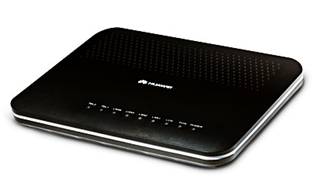
HG8240
HG8240
Key Highlights: The EchoLife HG8240 is a bridge + voice home-side device in Huawei's FTTH solution, delivering ultra-broadband access for home/SOHO users via G/EPON technology; it provides 2 POTS voice interfaces and 4 GE/FE auto-sensing Ethernet ports, e
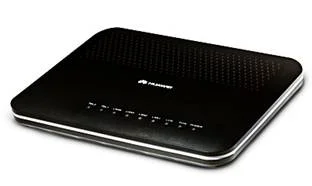
Key Highlights: The EchoLife HG8240 is a bridge + voice home-side device in Huawei's FTTH solution, delivering ultra-broadband access for home/SOHO users via G/EPON technology; it provides 2 POTS voice interfaces and 4 GE/FE auto-sensing Ethernet ports, ensuring the service experience of voice, data, and HD video through high-performance forwarding capabilities.
The EchoLife HG8240 is a bridge + voice home-side device in Huawei's FTTH solution, delivering ultra-broadband access for home/SOHO users via G/EPON technology; it provides 2 POTS voice interfaces and 4 GE/FE auto-sensing Ethernet ports, ensuring the service experience of voice, data, and HD video through high-performance forwarding capabilities.
Product Features
Interface Types: 2POTS+4GE.
Flexible Application: Supports G/EPON dual-mode auto-sensing to meet different FTTH network access requirements; supports both SIP and H.248 protocols for easy integration with softswitches.
Plug-and-Play: Supports remote automatic provisioning of voice, broadband, multicast, and other services via OMCI/OAM protocols, eliminating the need for on-site configuration.
Remote Diagnostics: Supports POTS port external line testing and call simulation, enabling easy remote fault location.
High-Speed Forwarding: GE line-rate forwarding.
Product Applications and Customer Benefits
The device is plug-and-play, improving service provisioning efficiency and reducing deployment costs; rich service simulation and remote fault diagnosis capabilities enable rapid fault location and lower O&M costs; meanwhile, its high-performance forwarding capability provides an ideal terminal solution for FTTH deployment and future-oriented service support capabilities.
FAQs
What is the working principle and function of a media converter?
The rapid advancement of informatization has led to growing demand for multimedia communications such as data, voice…
View answerWhat is the difference between an Optical Terminal and a Media Converter?
Optical Terminal is a device that converts multiple E1 (a data transmission standard for trunk lines…
View answerWhat are the characteristics and principles of fiber-optic transmission?
I. Background of Optical Communication In today's world, optical fiber communication has become the primary means of…
View answer