IP
IP
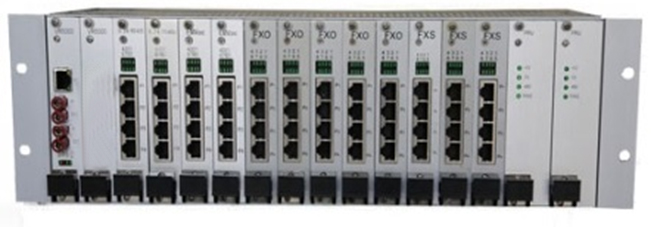
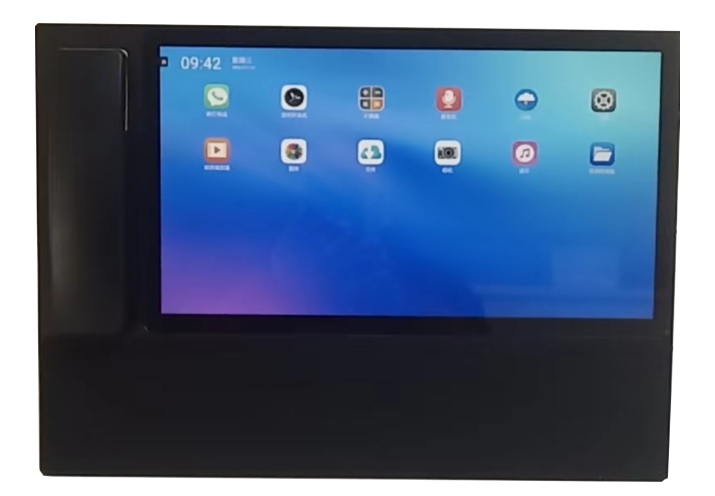
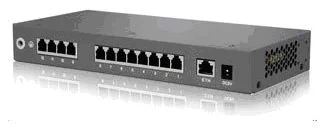
The IDM-VG series audio access gateway interconnects with IP-PBX or other softswitch platforms via SIP protocol over the network. On the downstream side, it directly connects to any audio device, such as microphones, loudspeakers, mixing consoles, conference terminals, etc., enabling voice access for these devices. These audio devices can be reached directly by dialing a number.
Overview
The IDM-VG series audio access gateway interconnects with IP-PBX or other softswitch platforms via SIP protocol over the network. On the downstream side, it directly connects to any audio device, such as microphones, loudspeakers, mixing consoles, conference terminals, etc., enabling voice access for these devices. These audio devices can be reached directly by dialing a number.
The IDM-VG series voice access gateway supports standard softswitch SIP protocols. With its stable operation, excellent performance, and wide market application, it fully meets the VoIP/NGN networking requirements of telecom, mobile, and Netcom operators, as well as internal networks of industry users such as electric power, petroleum, government, and transportation.
System Features
Ø Equipped with multiple audio input and output interfaces: TRS 3.5mm, TRS 6.3mm, RCA, XLR.
Ø Easy deployment. The audio amplification system based on TCP/IP data network transmission can be used on LANs within the same subnet, across gateways, or over the Internet, breaking through the geographical limitations of traditional broadcasting. It supports remote point-to-point and remote point-to-multipoint broadcasting, with flexible switching of broadcast channels.
Ø Supports remote audio collection (monitoring), simultaneous multi-point audio collection (intelligent monitoring)/return/live streaming, with flexible switching of collection (monitoring) channels.
Ø Fully digital transmission, offering lower distortion and higher signal-to-noise ratio compared to analog signal transmission.
Ø More business functions can be implemented on the IDM-MCC platform, such as scheduled playback and automatic recording.
Ø A single device features both input and output interfaces, capable of connecting audio input devices such as pickups as well as audio output devices such as broadcast systems.
Ø The device supports automatic fault recovery and manual emergency recovery functions.
Ø Can be stacked for use to meet multi-channel broadcasting or audio collection requirements.
Ø Flexible network topology, interoperable with other standard SIP devices.
FAQs
What Are the Functions and Advantages of Video Optical Terminals?
The function of a video optical terminal is to convert one or multiple channels of analog video signals into optical…
View answerWhat is the difference between a Video Optical Terminal and a Network Video Server?
Composition and Function of Video Optical Terminal and Network Video Server An optical terminal is a device used to…
View answerWhat are common issues when using optical terminals in security surveillance?
Fiber optic technology is increasingly used in security surveillance projects to transmit images, audio, data…
View answerWhat is IPTV and Its Key Technologies
IPTV, or Interactive Network Television, is an innovative technology that utilizes broadband cable TV networks…
View answer