Field Video Command and Dispatch System
Circular/aviation connector plug-and-play, 1+1 fiber ring network protection, video, telephone, Ethernet and data carried over one network
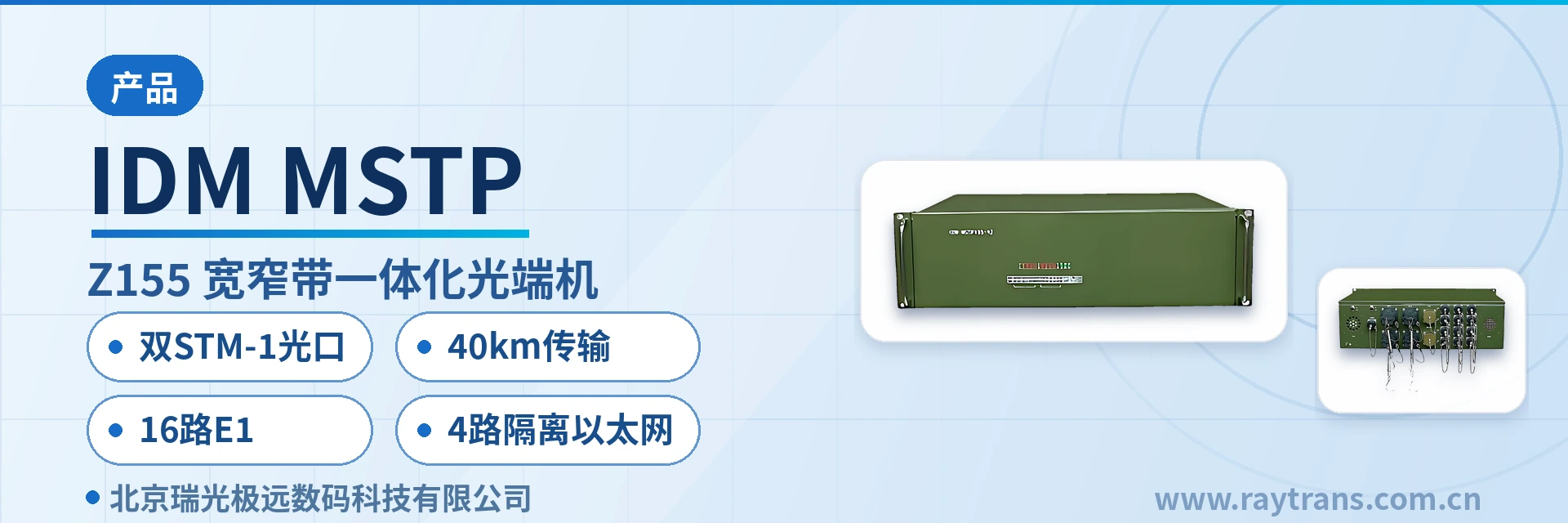
The military field video communication system consists of IDM MSTP155-YZ wideband and narrowband integrated optical multiplexers, IDM MSTP155-YZJ wideband and narrowband integrated optical multiplexers, video capture terminals and video surveillance terminals. The IDM MSTP155-YZ wideband and narrowband integrated optical multiplexer is installed in the surveillance center (such as a communications command vehicle), and the IDM MSTP155-YZJ wideband and narrowband integrated optical multiplexer is installed at a remote station (such as a radar vehicle).
The field video command and dispatch system is a military field video communications system developed by Beijing Ruiguang Jiyuan Digital Technology Co., Ltd., and a complete military emergency communications vehicle solution built for military emergency communications scenarios. The system consists of the IDM MSTP155-YZ narrowband/wideband integrated optical multiplexer, the IDM MSTP155-YZJ narrowband/wideband integrated optical multiplexer, video acquisition terminals and video surveillance terminals, and is used to carry video, telephone, Ethernet and data services uniformly over a single optical fiber transmission network in field environments. As a professional optical multiplexer manufacturer, the company integrates the capabilities of its video optical multiplexers, telephone optical multiplexers and multi-service optical multiplexers into this emergency communications solution, achieving coordinated interaction among front-end acquisition, transmission and back-end command and dispatch.
In this architecture, the IDM MSTP155-YZ narrowband/wideband integrated optical multiplexer is installed at the surveillance center (such as a communications command vehicle), and the IDM MSTP155-YZJ narrowband/wideband integrated optical multiplexer is installed at the remote station (such as a radar vehicle), with the two sides connected by optical cable. Video acquisition terminals feed the front-end picture into the remote station equipment, and video surveillance terminals present the picture at the surveillance center; all interfaces of the system are circular/aviation connectors, which facilitate the connection of power lines and various service lines, and once all cables are connected and power is applied, all services can be enabled. The entire military field video communications system carries video, voice and data uniformly through the optical multiplexers, providing a stable transmission channel for the emergency communications site, and also demonstrating the overall product showcase capability of a command and dispatch system manufacturer in military emergency communications vehicle solutions.
Key Specifications at a Glance: circular/aviation connector interface, plug-and-play · optical cable ring network 1+1 protection · shock-resistant, waterproof and corrosion-resistant · video over optical channel · video/telephone/Ethernet/data multi-service carrying · designed to military communications product standards
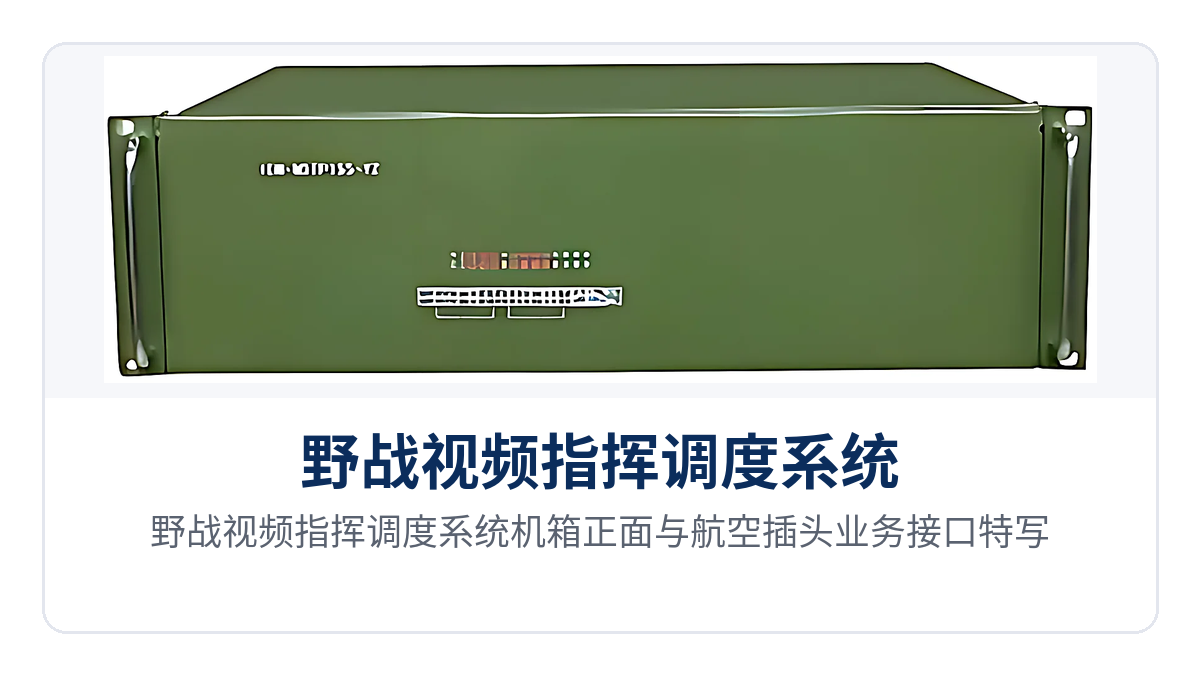
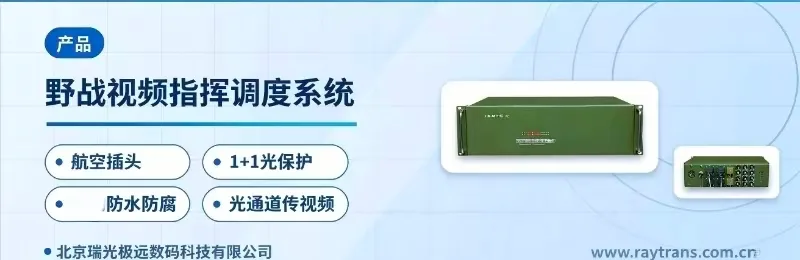
Figure 1: Close-up of the front panel and circular/aviation connector service interfaces of the field video command and dispatch system chassis
What devices make up the field video command and dispatch system, and how is it networked
The field video command and dispatch system adopts a two-level "surveillance center + remote station" networking: an IDM MSTP155-YZ narrowband/wideband integrated optical multiplexer is deployed on the surveillance center side, and an IDM MSTP155-YZJ narrowband/wideband integrated optical multiplexer is deployed on the remote station side, with the two connected by optical cable and forming a 1+1 optical protection transmission channel via an optical cable ring network, achieving 1+1 fiber line protection. As a military field video communications system for military emergency communications scenarios, this solution fully considers the adaptation capability of an optical multiplexer manufacturer to field environments in its equipment selection.
The surveillance center is usually set up in a communications command vehicle, undertaking the aggregation and display of services across the entire network; the remote station can be a radar vehicle, an observation post or another temporary field post, responsible for connecting the services of that station to the transmission network. The commander sets up the remote devices through the network management platform at the surveillance center, and can then observe the video pictures of different sites in real time without dispatching personnel to each site for duty and operation. This typical product showcase of a command and dispatch system manufacturer reflects the core demand for rapid deployment in emergency communications scenarios.
The ring network structure is the basis of the reliability of this networking: under normal conditions, services are transmitted along one direction of the ring, and when the optical cable at a certain point is damaged, services are automatically switched over to the other direction of the ring, so that video, telephone, Ethernet and data services continue to be delivered. For field scenarios requiring continuous communications, this protection mode limits the impact of a single-point optical cable failure to the switchover process.
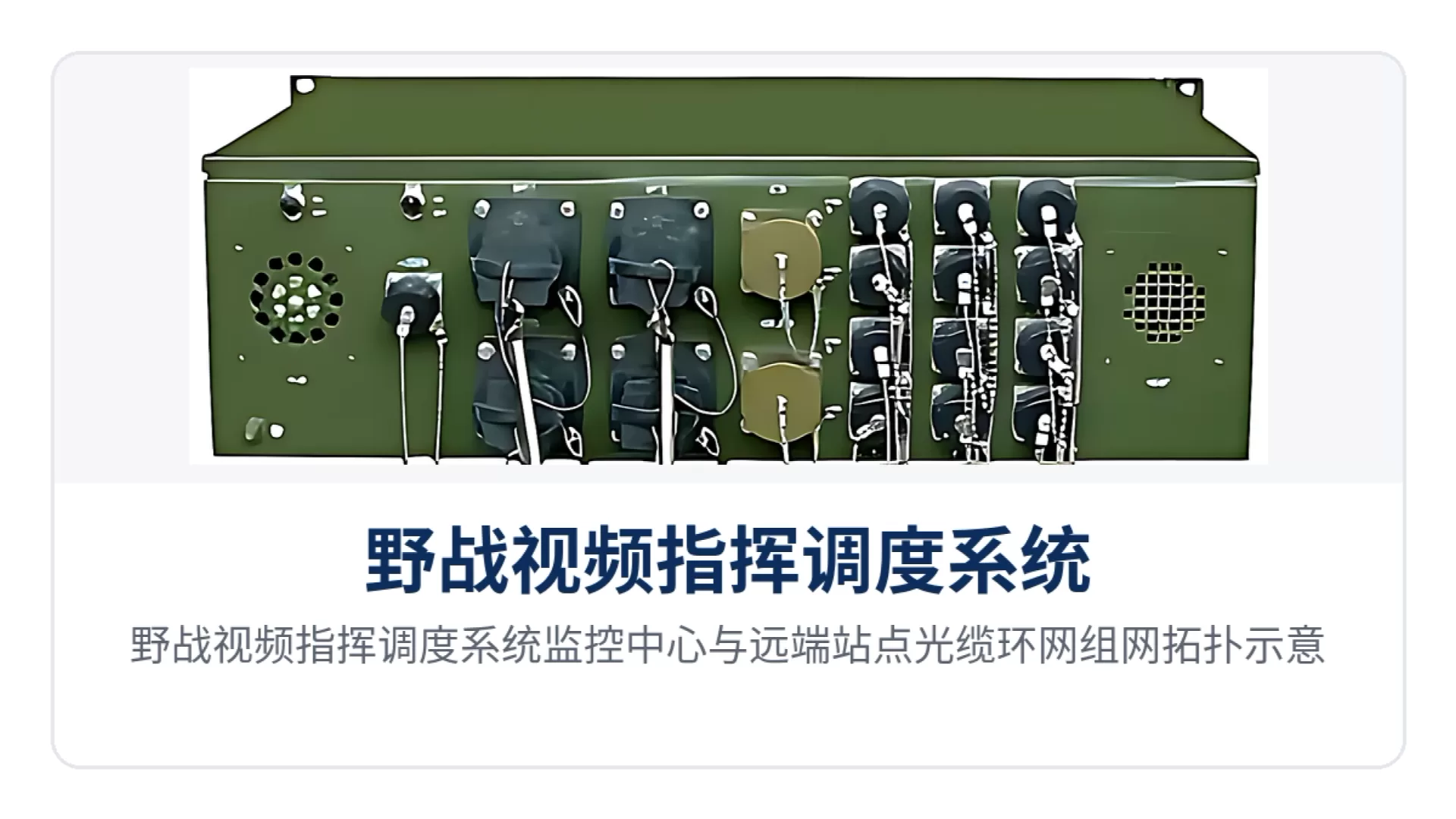
Figure 2: Networking topology of the optical cable ring network between the surveillance center and remote stations of the field video command and dispatch system
How do circular/aviation connector interfaces enable services to be enabled once cables are connected and power is applied
The conclusion is that the wiring process is simplified to "mating the connectors completes the job." All interfaces of the field video command and dispatch system are circular/aviation connectors; power lines and various service lines are connected to the equipment through circular/aviation connectors, and once connected and powered, all services can be enabled, with no additional soldering, crimping or parameter commissioning required on site. For a military emergency communications vehicle solution, this plug-and-play interface design directly determines the enablement efficiency after relocation.
The direct benefit brought by circular/aviation connectors is enablement speed: after the equipment is relocated with the vehicle, operators plug the power and each service line into the corresponding circular/aviation socket one by one, and after power is applied, video, telephone, Ethernet and data services can be put into use. For carriers such as communications command vehicles and radar vehicles that require rapid setup and withdrawal, the consistency of the interface form also reduces the probability of on-site failures such as miswiring and poor contact.
In what aspects is the differentiated value of this system reflected
The three differentiated capabilities correspond to three types of on-site problems in field operations, summarized in the table below.
Differentiated capability | On-site problem addressed | User value |
|---|---|---|
Circular/aviation connector interface | Rapid setup and withdrawal are required after relocation, and on-site soldering and crimping are time-consuming and error-prone | Circular/aviation connectors are plug-and-play, enabling video, telephone and Ethernet multi-service upon power-up |
Optical cable ring network 1+1 optical protection | Single-point optical cables are easily damaged under movement, mud and external forces | Optical cable ring network 1+1 protection, uninterrupted under field shock, water and corrosion |
Video over optical channel | Video, telephone, Ethernet and data services compete for bandwidth, making transmission quality difficult to guarantee | All network services run over optical channels, ensuring both video bandwidth and transmission quality |
Service processing capacity and technical specifications: video, telephone, Ethernet and data carried over one network
The service processing capacity of the system covers common requirements in field military communications: video, telephone, Ethernet and data services can all be connected to the same transmission network, providing users with the processing capacity for various services. Whether the service type is carried by a video optical multiplexer, a telephone optical multiplexer or a multi-service optical multiplexer, all can be incorporated into a unified optical transmission platform. The main functions are shown in the table below.
Function | Description |
|---|---|
Video surveillance | The commander performs settings through the network management platform at the surveillance center and observes the video pictures of different sites in real time |
Video acquisition and backhaul | Video acquisition terminals collect on-site images, which are backhauled over the optical transmission channel to the video surveillance terminals at the surveillance center |
Telephone service | Provides access and transmission for telephone voice service, meeting the voice communication requirements of field command and dispatch |
Ethernet service | Provides Ethernet service transmission capability, carrying on-site data services |
Data service | Provides access and transmission for data services |
Network management | The surveillance center performs settings and status viewing on remote station devices through the network management platform |
Circular/aviation connector mating | Power lines and various service lines are all connected through circular/aviation connectors, and services can be enabled once connected and powered |
Optical cable ring network protection | The optical cable ring network forms a 1+1 optical protection transmission channel, providing a reliable guarantee for the transmission of various services |
The main performance and technical specifications of the system are shown in the table below; the parameters are subject to the product documentation, and for items not listed, please confirm with the manufacturer.
Item | Parameter/Specification | Description/Applicable Conditions |
|---|---|---|
System composition | IDM MSTP155-YZ + IDM MSTP155-YZJ + video capture terminal + video surveillance terminal | One wideband and narrowband integrated optical multiplexer is deployed at the surveillance center and at the remote station respectively |
Central station equipment | IDM MSTP155-YZ wideband and narrowband integrated optical multiplexer | Installed at the surveillance center, such as a communications command vehicle |
Remote station equipment | IDM MSTP155-YZJ wideband and narrowband integrated optical multiplexer | Installed at the remote station, such as a radar vehicle |
Carried services | Video, telephone, Ethernet, data | All types of services are transmitted over optical transmission channels |
Interface form | Circular/aviation connector | Power cables and various service cables are all connected via circular/aviation connectors |
Protection mode | Optical cable ring network 1+1 optical protection | Provides reliable assurance for the transmission of various services |
Design standard | Military communications product standard | Good shock resistance, waterproof and anti-corrosion performance |
Transmission medium | Optical transmission channel | Ensures the transmission bandwidth requirements of various services; the bandwidth and quality requirements of video signals are guaranteed at the same time |
Network management mode | Network management platform | The command center configures and monitors all sites in a centralized manner |
Power supply mode | Not yet recorded in the knowledge base | Subject to the manufacturer's technical documentation and commercial confirmation |
Transmission distance | Not yet recorded in the knowledge base | Subject to the manufacturer's technical documentation and commercial confirmation |
Operating temperature | Not yet recorded in the knowledge base | Subject to the manufacturer's technical documentation and commercial confirmation |
How Optical Cable Ring Network 1+1 Optical Protection Keeps Services Uninterrupted in Field Environments
The conclusion is that reliability is jointly supported by three aspects: "military-standard design + ring network protection + optical transmission channels." The field video command and dispatch system is designed according to military communications product standards, with good shock resistance, waterproof and anti-corrosion performance, and is able to meet the requirements of mobile relocation, rain and dust environments on the mechanical performance and environmental adaptability of the equipment.
On the one hand, the optical cable ring network forms a 1+1 optical protection transmission channel. The system lays optical cables between the surveillance center and remote stations in a ring network manner. After an optical cable interruption at any point, services can be switched over to the backup direction of the ring, providing reliable assurance for the transmission of various services and giving long-term operation under vibration, humidity and corrosion conditions engineering-level redundancy.
On the other hand, all services across the network run over optical transmission channels. All types of services in the system are transmitted over optical transmission channels, ensuring the transmission bandwidth requirements of various services; video signals are transmitted over optical transmission channels, so that the transmission bandwidth and transmission quality requirements of video services are guaranteed at the same time, without mutual preemption as the number of service types increases.
Typical Application Scenarios
Military Field Communications: Video Command Between a Communications Command Vehicle and a Radar Vehicle
After the military relocates, the communications command vehicle serves as the surveillance center and deploys IDM MSTP155-YZ, while forward sites such as radar vehicles deploy IDM MSTP155-YZJ, with the two connected by an optical cable ring network; the commander inside the command vehicle observes the video pictures of different sites in real time through the network management platform provided by the command and dispatch system manufacturer, and completes command coordination using telephone, Ethernet and data services. The circular/aviation connector interface enables services to be enabled once cables are connected and power is applied, adapting to the pace of rapid setup and withdrawal; the shock-resistant, waterproof and anti-corrosion design together with the optical cable ring network 1+1 optical protection maintains the continuity of emergency communications services under conditions of vehicle jolting, rain and single-point cable interruption. This military emergency communications vehicle solution takes the multi-service optical multiplexer as its core, uniformly carrying services such as video optical multiplexers and telephone optical multiplexers over optical transmission channels, and serves as an overall solution for a military field video communications system provided by an optical multiplexer manufacturer, meeting video command requirements in battlefield environments.
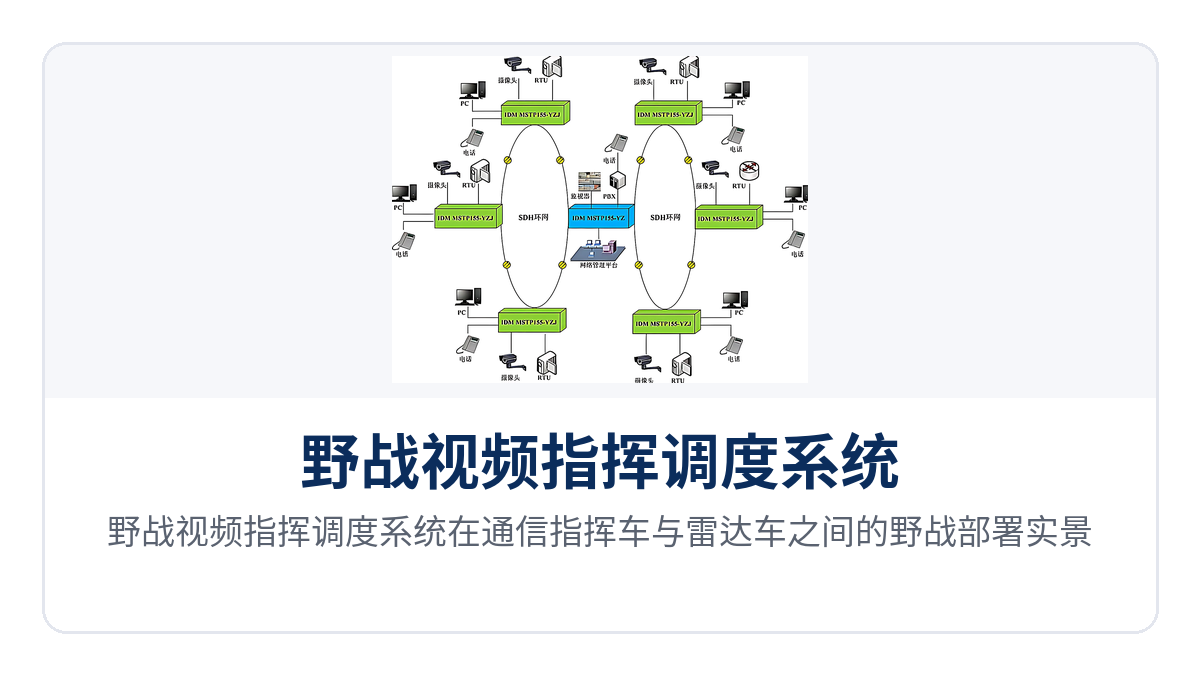
Figure 3: Field deployment of the field video command and dispatch system between a communications command vehicle and a radar vehicle
Emergency Command Private Network: Two-Level Video Dispatch Between Forward Sites and the Command Center
The emergency command scenario is likewise deployed in two levels of "forward sites + command center": the command center side uses IDM MSTP155-YZ to aggregate services, while forward sites use IDM MSTP155-YZJ to access on-site video and data, with the sites connected by an optical cable ring network. The command center centrally views the pictures of each site through the network management platform of the command and dispatch system manufacturer; the front end only needs to connect cables to the circular/aviation connectors and apply power to put video, telephone, Ethernet and data services onto the network; once a single point of interruption occurs on the link, the 1+1 optical protection switches services over to the other direction, preventing the emergency communications site from losing contact due to a section of optical cable. The entire emergency communications solution adopts a multi-service optical multiplexer architecture, with video optical multiplexers and telephone optical multiplexers working in coordination to build a reliable emergency command and dispatch system.
Energy and Transportation Field Private Networks: Video Surveillance of Dispersed and Unattended Sites
Field sites in electric power, oilfields, mining and rail transit are often dispersed in areas with weak public network coverage, and optical cables already exist or can be laid between the sites. By deploying IDM MSTP155-YZ and IDM MSTP155-YZJ in the roles of command center and remote station, video surveillance, dispatch telephone, Ethernet and data services can be carried simultaneously between sites; O&M personnel on the central side centrally view the pictures and service status of each site through the network management platform of the command and dispatch system manufacturer, reducing the round trips of site-by-site inspection. The optical multiplexer manufacturer integrates the shock-resistant, waterproof and anti-corrosion characteristics brought by military communications product standards into the product design, making it suitable for installation locations such as outdoor box-type substations, well sites, mining areas and equipment rooms along the line; unattended sites only need to insert power cables and service cables into the circular/aviation connectors and apply power to put services onto the optical transmission channel, and the 1+1 optical protection covers single-point optical cable failures for sites lacking on-site duty. In such scenarios, the multi-service optical multiplexer simultaneously carries video optical multiplexer and telephone optical multiplexer services, and together with the reliability standards of the military field video communications system, provides solid assurance for emergency communications.