
GIS水泥物流调度系统
水泥行业物流管理是根据销售信息,安排发货顺序,同时掌握货物在途信息,预判到达时间,合理调货,避免可能出现的物流风险,向物流要利润、要效率! 基于GIS的物流调度管理系统可以直观地展示物流资源、物流过程、优化物流效率、降低成本、提高整体利润。
水泥物流调度系统解决的是哪几个老问题
水泥物流调度系统是把销售发货信息、车辆在途位置、装卸事件和语音对讲收进同一张地图的调度平台,由基于GIS平台的指挥中心、车载物联网音视频通信终端和承运商APP信息终端三部分组成。三端共用一套车辆档案与任务数据,调度指令和现场事件在同一条链路上流转。对于企业而言,这套解决方案的价值在于把分散的物流信息集中到统一平台。
水泥行业物流管理本身并不复杂:根据销售信息安排发货顺序,掌握货物在途信息,预判到达时间,合理调货,避免可能出现的物流风险。难的是这些动作过去都靠电话问、靠经验猜,信息一滞后,压车和断料就跟着来。
系统要做的,是把这些环节变成一张能看、能喊、能查的地图,直观展示物流资源与物流过程,优化物流效率、降低成本。每一次装车、卸车、交货、改派都留下记录,调度经验因此能沉淀成企业自己的数据。
三端一体:指挥中心、车载终端、司机APP各管什么
整套系统分为三端,职责不重叠:中心端负责看全局、发指令,车上端负责采集与执行,手机端负责司机不在车上时的信息操作。三端用同一份车辆档案和任务清单,避免各端数据对不上。
| 组成部分 | 部署位置 | 主要职责 |
|---|---|---|
| 基于GIS平台的指挥中心 | 企业调度中心 | 地图展示车辆与工地、划定告警区域、发起单呼与组呼、统计里程油耗与任务完成情况 |
| 车载物联网音视频通信终端 | 车辆驾驶室 | 音频对讲、视频监控、传感器与执行器数据通信、AI识别事件上报 |
| 承运商(司机)APP信息终端 | 司机与承运商手机 | 事件上报、订单接收、音频对讲、直接通话、签收交接 |
三端的价值在于互补。手机是多用途设备,司机通话、拍照时可能收不到调度消息,所以关键的可视对讲与告警落在车载终端上;司机离开车辆装卸货、签收交接时,手机端接着把事件补全。
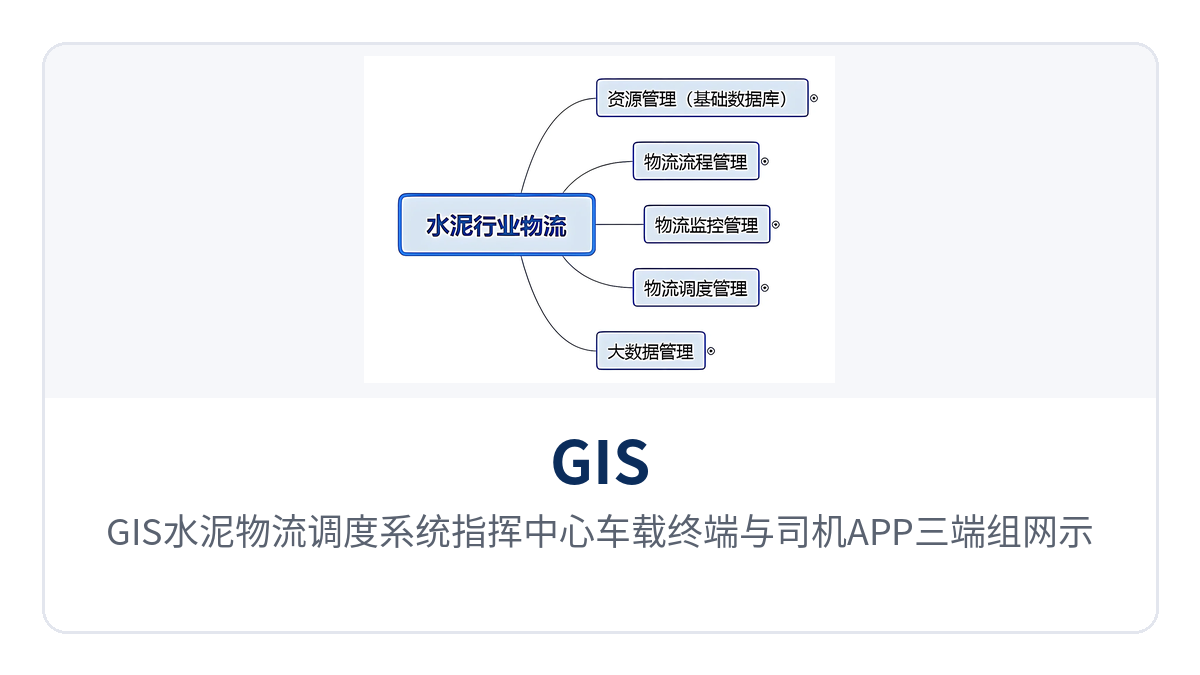
图1:GIS水泥物流调度系统指挥中心车载终端与司机APP三端组网示意
五大环节怎么把一车水泥从出厂管到工地
一车水泥从出厂到工地,要经过派车、装车、在途、卸车、签收几个节点,五个管理环节就是按这条链路切分的。每个环节对应系统里的一个功能组,数据在环节之间自动流转,不必人工再录一遍。
| 管理环节 | 覆盖内容 |
|---|---|
| 资源管理 | 集团客户群体、承运商、服务能力、原料供应商与车辆资源统一建档 |
| 流程管理 | 装车、卸车、交货、改派的流程节点与责任划分 |
| 物流监控管理 | 车辆位置、速度、载重、篷布与车厢状态的在途监视 |
| 物流调度管理 | 按销售订单与车辆位置派车、改派、紧急调度 |
| 物流数据分析 | 里程、方量、油耗、任务完成与告警统计,形成月报与考核依据 |
围绕这五个环节,系统还打通四条管理线:把业务单据、资金结算、运力档案与工作过程串在同一条数据链上。四条线共用车辆编号与任务编号,查一趟车就能把过程、费用与责任一并查全。
- 物流、资金流、业务流、工作流管理:业务单据与结算数据同源,装车量、卸车量与对账口径一致。
- 集团客户群体管理、承运商管理、服务能力管理、原料供应商管理:把外部运力纳入统一档案。
- 结算、核算、统计、对账:按任务与方量自动归集,减少人工对单。
- 装车、卸车、交货、改派:节点状态可回查,改派留痕。
这四条线合起来,解决的是调度与结算两张皮的问题。车辆跑了几趟、每趟多少方、该结多少运费,都能在同一份数据里找到答案,不必让调度员和财务各记一本账、月末再对一遍。
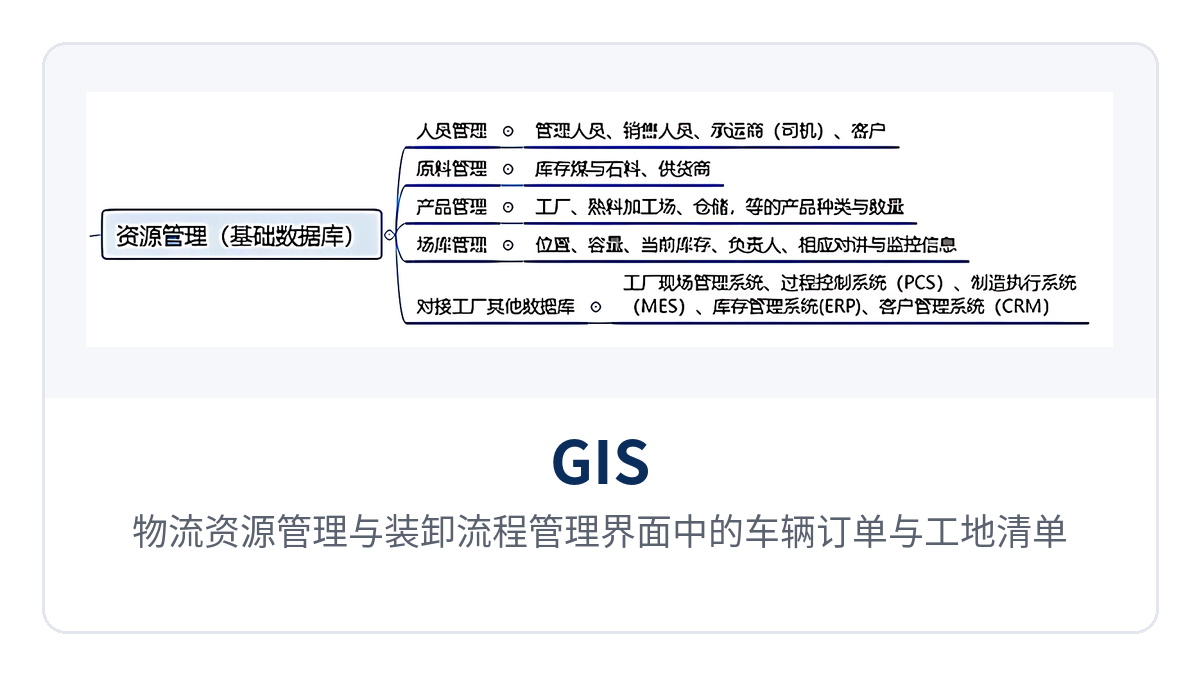
图2:物流资源管理与装卸流程管理界面中的车辆订单与工地清单
GIS自绘图层能标注哪些车辆与事件
常用的商用导航软件图层有限,只支持通用的道路与兴趣点,不支持用户自己的资源标注和管理。实际使用时通常把商用地图转换成标准的地理坐标系统,加载到GIS平台上作为底图。
底图之上再叠加自绘图层,如网格、路径、资源点,可以放大、缩小、平移,也能参与各种距离与范围计算。GIS物流调度的差别就在这里:调度员看到的不是公共地图,而是自己企业的路网、工地和车辆。
在图层上可以做车辆类型、载重、速度矢量、任务类别的标注,一眼看出哪台车拉多少、跑多快、执行哪类任务。也可以做事件标注与监测,例如非目的地卸货、卸货未尽、超时卸货、窜货,异常一出现就落在具体车辆上。
GIS自绘图层的用法是按业务自己定义。厂区划成网格,运输线路画成路径,工地与搅拌站标成资源点,图层叠加后既能看单台车,也能看一个片区的运力分布。图层数量与标注规则由调度部门维护,不需要改动平台程序。
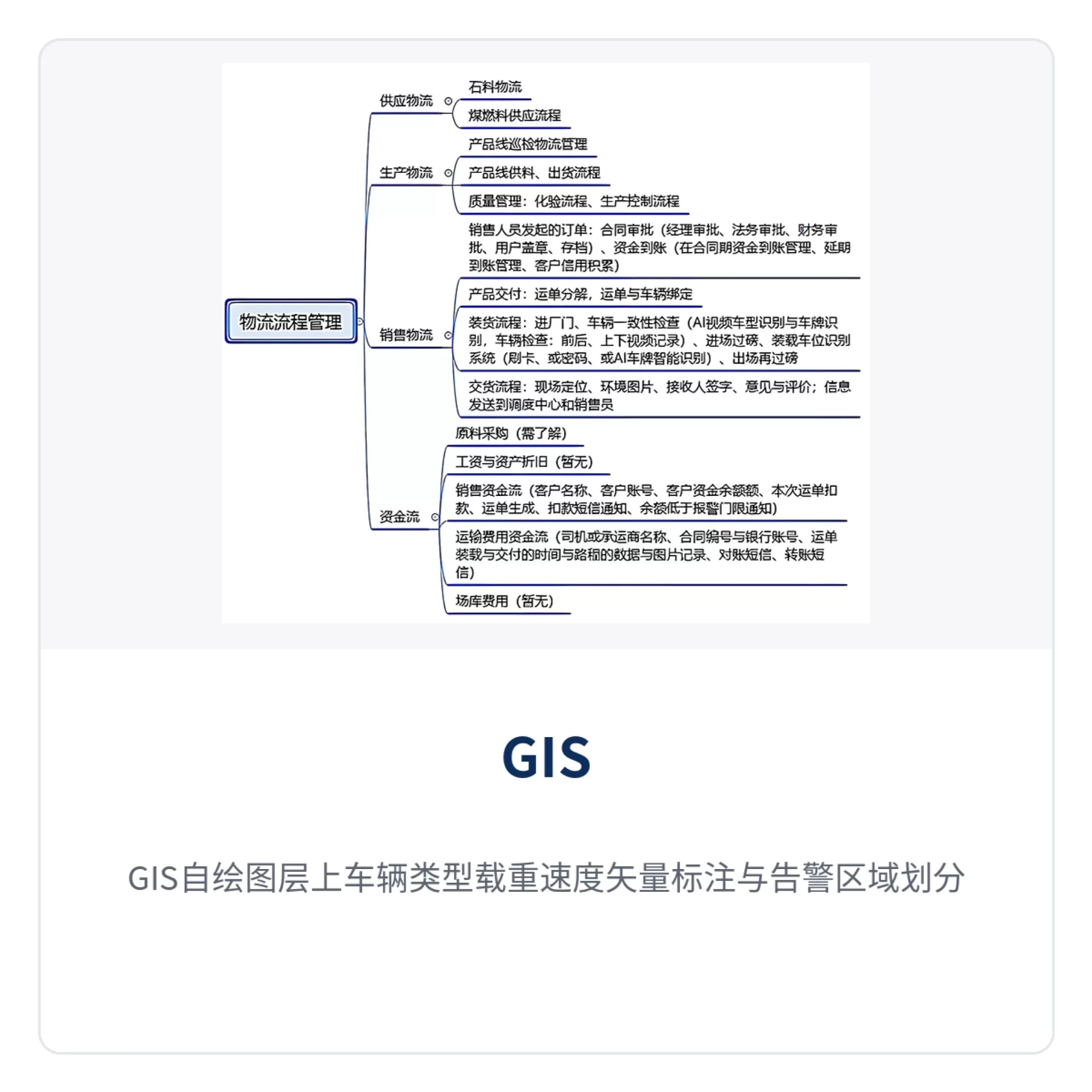
图3:GIS自绘图层上车辆类型载重速度矢量标注与告警区域划分
车载终端上有哪些AI识别能力
水泥运输车辆监控的颗粒度,取决于车上装了什么。车载物联网终端除对讲和定位外,还承担传感器、执行器的数据通信,把车厢、篷布、锁封这些物理状态变成平台上可判断的信号,调度员不必只凭司机口述判断途中情况。
| 功能项 | 功能说明 |
|---|---|
| 音频对讲 | 司机与调度中心双向语音通话,支持单呼与组呼 |
| 一级报警等快捷操作 | 面板快捷键一键上报紧急事件,减少行车中的操作步骤 |
| AI智能摄像头 | 抓拍驾驶室与车厢画面,为途中异常提供图像依据 |
| 篷布开合识别 | 通过图像判断篷布是否按要求遮盖 |
| 自卸车厢传感识别 | 采集车厢举升与卸料动作,判断卸货是否发生 |
| 电子锁封 | 对车厢封条状态做电子化管控,防止途中私自开启 |
| 商砼车正反转监控 | 监控搅拌罐转向,反转为出料,判断是否存在违规卸料 |
| RFID包装交货扫描 | 包装水泥交货时扫描标签,完成交接确认 |
这些识别项针对的是水泥与商砼运输里常见的几类异常:途中开篷、私自卸料、封条被动、搅拌罐乱转。AI篷布识别与电子锁封配合,能把货物有没有被动过从口头询问变成有图有记录的事件。
车载手机APP或专业设备都能实现驾驶室视频监控、PTT对讲、BDS/GPS轨迹上传,瑞光极远(Raytrans)的IDM-MCC调度系统即按这条路径组网,为智慧矿山通信方案等场景提供可复用的车载物联网终端组网经验。选择哪一类终端,取决于车辆是否需要对讲常开、是否需要视频回传,以及车厢传感器要不要接入。作为指挥调度系统厂家,瑞光极远在物流调度系统与企业通信解决方案上的积累,正体现在这类终端选型与组网的灵活性上。
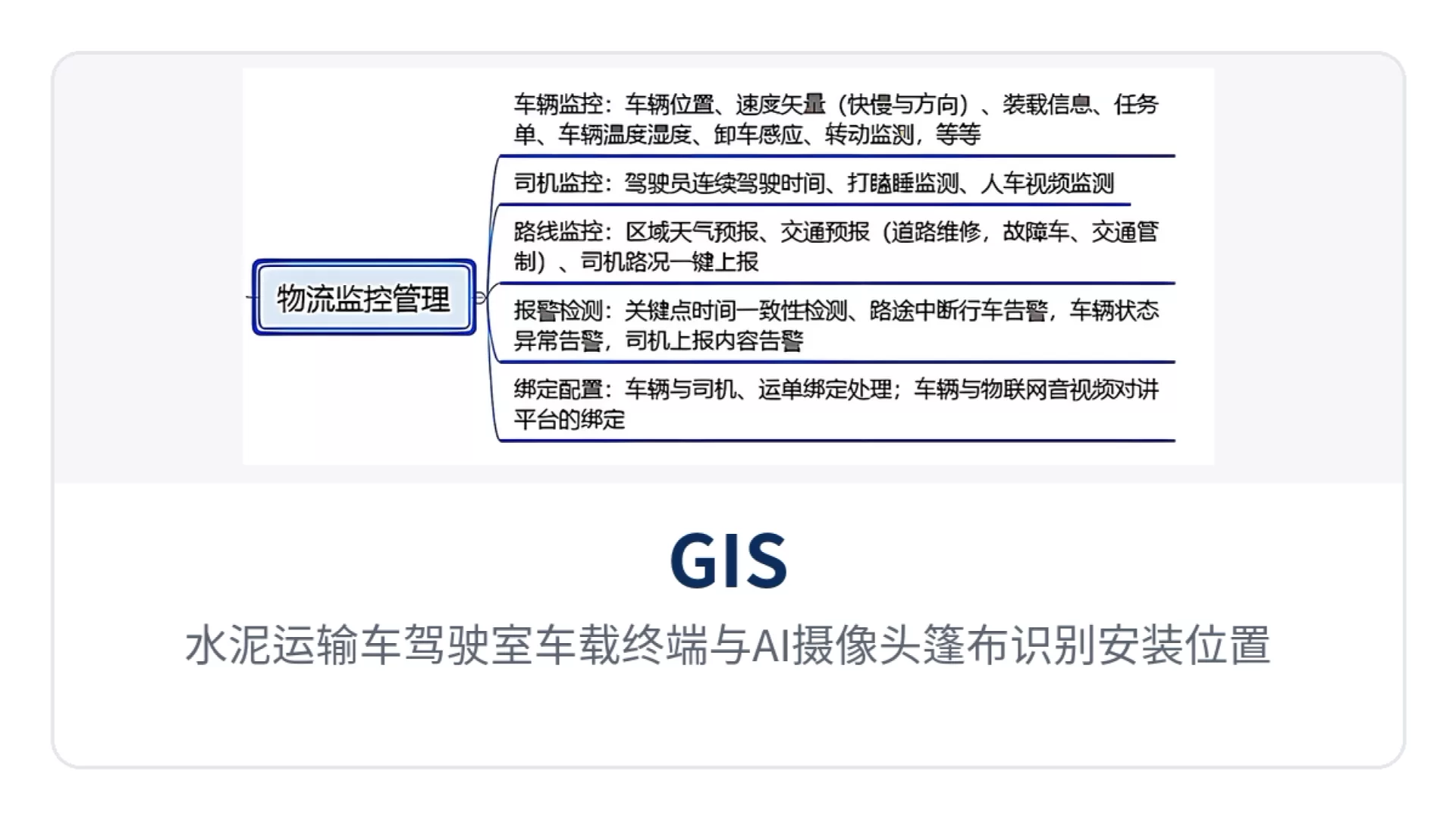
图4:水泥运输车驾驶室车载终端与AI摄像头篷布识别安装位置
4G对讲怎么做到一喊就到
4G对讲组呼是这套企业解决方案在现场响应速度上的关键能力。对讲走4G网络,配用合适的流量卡,不依赖既有模拟对讲的中继覆盖,车辆开出厂区、跑到偏远工地仍在同一张对讲网里。
| 对讲能力 | 说明 |
|---|---|
| 群组通话 | 提供一对一一对多快速通话,自动组群、无需拨号,接通即讲、即时监听 |
| 单呼 | 调度员与某一台车一对一通话 |
| 组呼 | 一条指令同时下达到一个车队的多台车 |
| 分组管理 | 支持多组管理与临时组管理,可按工地或任务临时编组 |
| 多组在线 | 一个终端可定义在几个不同组群,系统自动扫描终端是否忙线,未忙线即可接收不同组群呼叫 |
| 在线状态显示 | 终端上显示同组用户的在线、离线、组呼、单呼状态 |
| 语音记录 | 记录每次通话内容,可按需查询与回放 |
| 调度功能 | 后台GPS卫星监控调度,确定车辆与人员实时位置,实时语音调度、自动选车、召开电话会议 |
现场用得较多的动作是直接呼叫某一台车。调度界面上看到工地车辆排队,点一下组呼,几台车同时听到改派指令,不用挨个拨号;通话内容有录音,事后处理争议可以回放核对,也便于复盘当天的调度节奏。这套可视对讲能力让调度指令的下达更直观、更可靠。
多组在线的规则值得说明:一台车同时属于车队组与工地临时组,系统先判断终端是否忙线,空闲时才接入新的组呼。这样调度员不必知道司机正在和谁通话,也不会因为占线丢掉紧急指令。
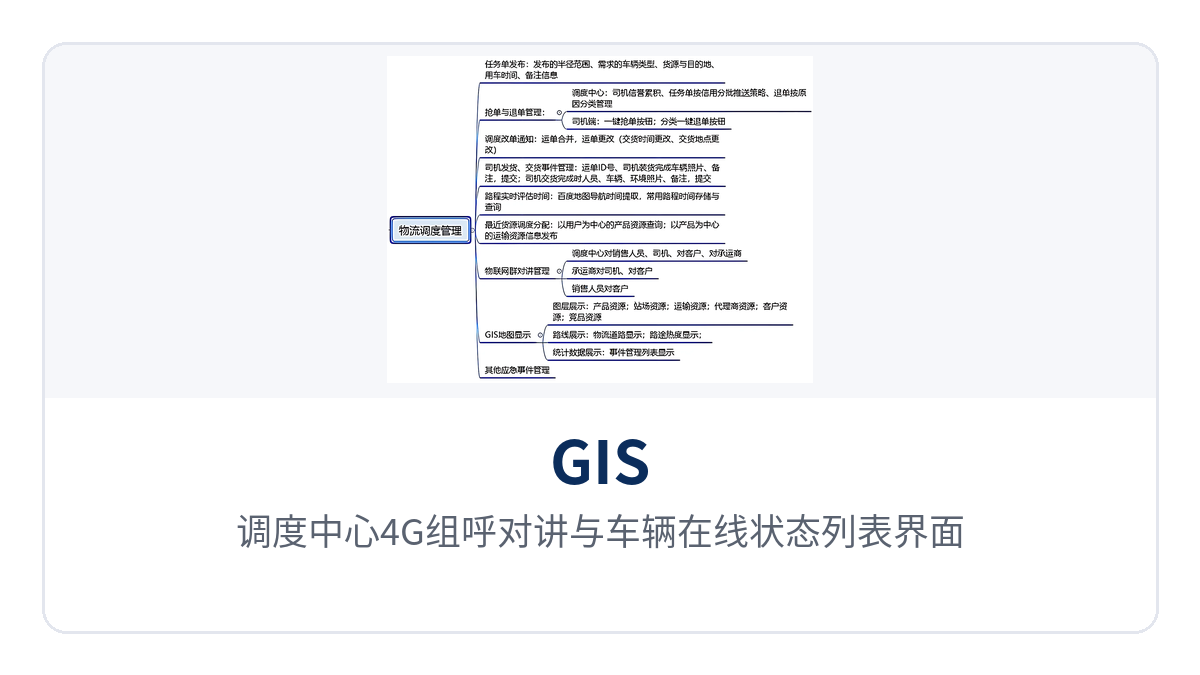
图5:调度中心4G组呼对讲与车辆在线状态列表界面
四类告警怎么设,定位数据怎么回传
调度中心可以在GIS上划定报警区域,车辆进入或者离开该区域时系统发出告警消息。厂区、工地、限行路段都能单独设区,区域超速告警由区域规则与速度阈值共同判断,车辆在区域内超速才触发。
| 告警类型 | 触发条件 | 现场用途 |
|---|---|---|
| 区域监控告警 | 车辆进入或离开划定的报警区域 | 判断是否偏离指定路线、是否到达工地 |
| 超速告警 | 车辆运行速度超过设定限制 | 约束超速行驶,降低油耗与事故风险 |
| 超时告警 | 车辆停止超过设定时限 | 发现长时间滞留与路边停靠 |
| 运输超时告警 | 车辆运输过程超过设定时限 | 提前预警晚点,避免工地断料 |
车辆向调度中心发送位置、速度等数据有两种工作模式:一是定时、定长主动发送,间隔由调度中心设置;二是查询模式,收到查询指令后才发送当前的状态数据,两种模式可在同一批车辆上并存。车载物联网终端在这一环节承担了位置与状态数据采集回传的职责。
两种模式适合不同场景:日常监控用主动上报,保证轨迹连续;关注流量成本或只查特定车辆时用查询模式,减少空转上报。上报间隔设多长,取决于车辆密度和工地数量,间隔过密会增加流量与存储压力。
司机和承运商在手机上做什么
承运商和司机离开车辆后,用IOT365 APP做信息操作,可以实现事件上报、音频对讲、直接通话、订单接收。定位与对讲的主要职责仍在车载终端,手机端补的是人不在驾驶室时的空档。
IOT365 APP提供类似微信的操作界面,但增加了及时播报、物联网终端管理、便携调度台切换和后台大数据采集。可管理的物联网终端包括车载终端、电梯对讲、门禁对讲,在中心端配合下还能和微信群实现对讲。
APP里能做的事按两类归口:一类是路上发生的事件,一类是司机与调度中心之间的通话。两类记录都挂在同一条运输任务上,事后回查时能看到谁在什么时间上报了什么、调度员当时怎么回复。
- 事件管理:装卸事件、装卸货量、装卸地点事件、签收交接。
- 对讲管理:音频对讲、视频监控、物联网数据采集。
商砼车调度对手机端的依赖更明显。司机到工地后要报到达、报卸料完成,签收单要拍照回传,这些动作都在APP里完成,调度员在中心端即时看到工地现场状态,不必再打电话确认工地还有几车在等。
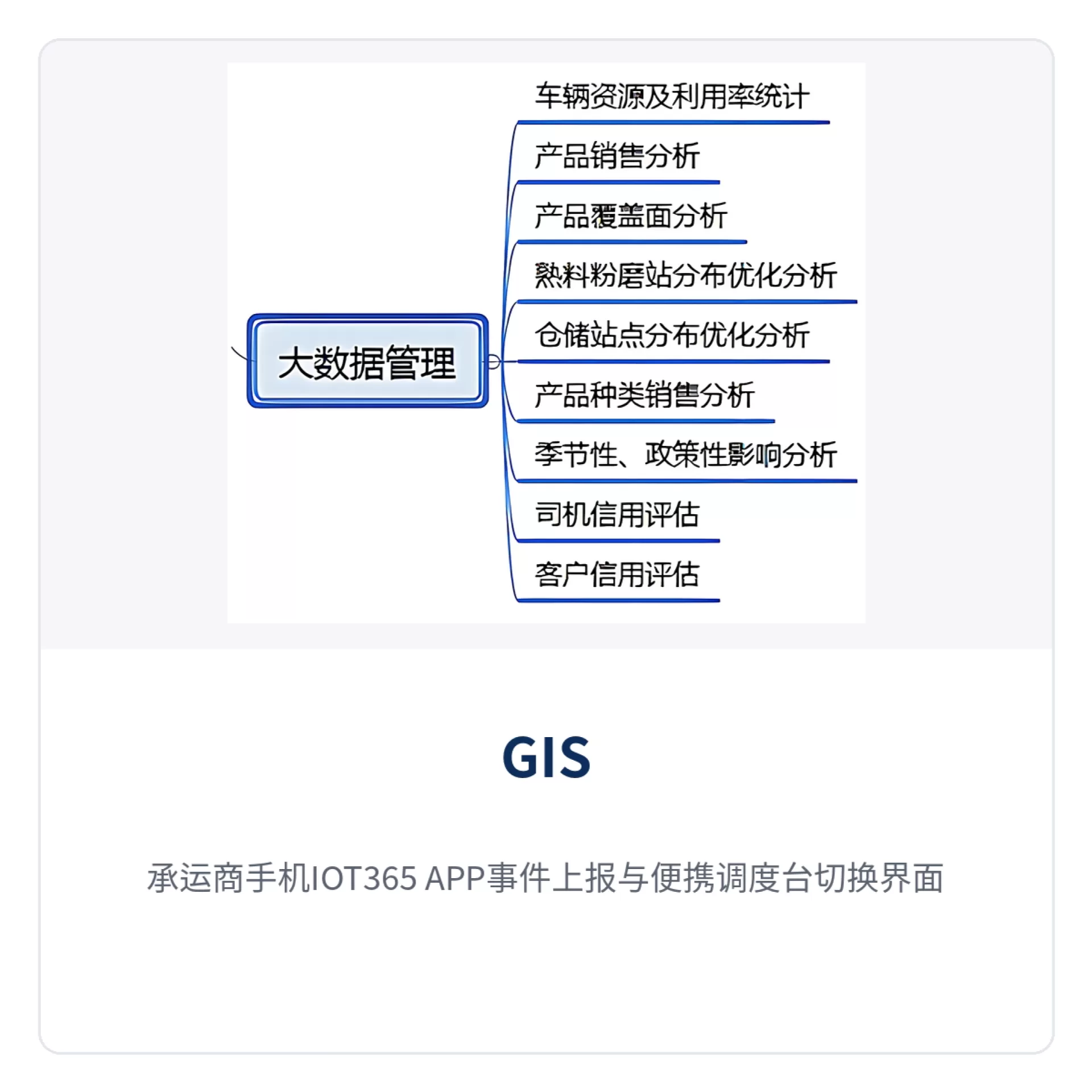
图6:承运商手机IOT365 APP事件上报与便携调度台切换界面
调度中心怎么把压车和断料压下去
工地压车怎么减少
压车的根子在于调度不知道工地还有几台车在等。调度界面直观显示每个工地的车辆使用情况与每辆车运行状况,调度员据此适时安排生产、合理调度车辆,把运力匀给更急的工地,工地门口排长队的现象随之减少。
工地断料怎么提前发现
断料往往发生在发货高峰。系统能动态看到每个工地的车辆到位数量,以及车辆到工地的路途距离,距离远、到位少的工地提前补车,避免长时间断料造成的质量问题与客户投诉,也减少服务层面的被动解释。
紧急调度怎么临时改道
遇到塞车、道路不通,原计划送A地的料可能因时间问题影响质量。司机可通过车载语音向调度中心紧急汇报,调度员在地图上临时改变运输道路或运送对象,指令一条组呼发下去,不必逐台车打电话。
导航盲点怎么消除
每个月要接十几个新工地,司机对路线不熟,问路十几分钟很常见。调度不知道司机和工地的具体位置,也没法给出正确导航,走错路既费时间又费油,边开车边打电话还影响安全。把工地位置标进图层,导航与派车就有了共同坐标。
油耗和司机行为怎么管
系统自动统计每辆车行驶里程、每月运送方量、耗油量,能算出每方每公里的油耗,车辆之间可比、可奖优罚劣。超速报警与轨迹回放让偷油、偷料、怠工、故意绕行这些行为留下痕迹,车队管理有了可核查的依据。
哪些企业适合先上这套系统
水泥熟料基地与粉磨站的物流调度部门
这类企业发货量大、工地分散,销售订单与发车计划需要每天对齐。把发货顺序、车辆在途、工地存量放进同一张地图,物流调度系统能在高峰前后把运力调到位,减少厂区排队与工地等料两头空转。
商砼企业与承运商车队
商砼有时效,搅拌罐正反转、卸料地点、到达时间都要留痕。车载终端的正反转监控与AI识别,加上APP的装卸事件上报,让承运商能向甲方提供可核查的运输过程记录,结算时也有统一口径。
集团化水泥企业的工业专网
集团下辖多个粉磨站与车队,各点数据口径不一。GIS平台按区域建图层,指挥中心统一看全局,各站点按权限看本地,集团层面做运力与成本对比,不必等各厂月末报表汇总后再判断。
分步落地的实施顺序
落地通常分五步推进,每一步都对应一部分现场可见的变化。先让车看得见,再让指令喊得通,最后让数据算得清。每一步都有可验收的产出,做完一步就能看到一部分现场变化,不必等整套系统上线之后再评估效果。
- 梳理发货流程与工地清单,明确每条线路的装车点、卸车点与时限要求。
- 把商用地图转成标准坐标底图,叠加网格、路径、资源点等自绘图层。
- 车载终端接入对讲、视频与传感信号,司机端安装IOT365 APP并绑定车辆。
- 配置告警区域、速度阈值与组呼分组,把调度常用指令固化成规则。
- 用里程、方量、油耗与告警数据做月度考核,再按结果调整线路与运力。
五步之间存在先后依赖:底图与车辆档案没理清,告警区域划不准;组呼分组没按工地编好,临时改派仍然要靠电话。项目周期取决于车辆数量与工地数量,建议按一条产线或一个片区先试运行。作为指挥调度系统厂家,瑞光极远(Raytrans)可提供从智慧矿山通信方案到物流调度系统的整体解决方案,帮助企业在实施各阶段有序推进。
结语
水泥物流调度系统的价值不在软件界面,而在把发货、在途、卸货三段时间对齐。GIS自绘图层让车辆与工地同图可见,可视对讲组呼让指令一次到位,车载物联网终端的AI识别与告警把异常留在记录里。
对水泥与商砼企业来说,先上一个片区、一条产线,用真实数据校准告警阈值与派车规则,再向集团各站点推广,比一次性全量铺开更容易看到效果。作为指挥调度系统厂家,瑞光极远(Raytrans)在智慧矿山通信方案与物流调度系统领域积累的方案经验表明,运输是水泥成本里可压缩的一块,调度效率提上去,利润空间就出来了。
常见问题
现场要配多少台终端、按什么单位编组比较合适?
配置量按人和作业面两头算。终端按参与调度的人员配,巡检、检修、调度等岗位各持一台;编组按岗位、班次或作业面划分,公网数字集群对讲支持无范围限制、无限分组,跨区甚至跨省的现场人员都能编进同一通话组,不必按基站覆盖半径把队伍切开。无线接入点一侧按场区覆盖范围与需要并发开展的视频、语音业务量规划,覆盖边缘与信号薄弱处适当补点,保证语音与位置回传稳定。涉及的分组数量上限、并发用户数这类产品参数此处资料库暂无相关信息,采购前请以厂商技术资料与商务确认为准。
查看完整回答终端接入正常却建不起语音对讲、也收不到位置信息怎么排查?
遇到这类情况按链路顺序逐段查。先核对通话双方是否编入同一通话组、群组呼叫是否被权限限制,编组不一致时语音自然建不起来;随后确认无线接入是否稳定,场区无线接入点覆盖边缘、信号回退或频繁重连都会让语音断续、位置上报时断时续;再看定位与数据通道,终端需在无线链路可用时经GPRS回传位置与短数据,通道未建立时调度端就看不到位置;最后用一台工作正常的终端在同一点位接入对调,区分是终端问题还是网络与编组问题。以上步骤仍不能恢复时,建议结合设备状态联系厂家技术支持。
查看完整回答指令回执与GPS位置回传是怎么串起调度闭环的?
这台便携多媒体终端把指令流与位置流并到一起回传。调度端下发指令报文后,终端侧确认接收并回执,下发方据此判断指令是否送到,避免指令发出却无人执行;GPS定位与GPRS数据通道则把现场人员的位置与短数据经无线链路送回调度中心,调度人员在图上能看到每名人员的位置,遇到登塔作业、偏远场站等风险点可就近调度支援。对巡检、地勤、野外作业这类人员分散、作业面铺开的岗位,指令状态加位置信息构成的调度闭环,比单纯喊话更能掌握现场。
查看完整回答音视频对讲、实时视频与非实时视频分别在什么情况下用?
这三类业务按要不要即时看到来分工。音视频对讲是在通话进行中双方同时看到现场画面,适合远程确认人员与设备状态;实时视频业务包括视频会议与远程视频监控,调度端还能远程调看便携多媒体终端自身摄像头的画面,用于中控室与现场同屏会商;非实时视频是拍照、录像上传与视频记录浏览,画面留痕后可事后检索,适合巡检取证、隐患记录这类不必当场判读的场合。三类业务都纳入同一套音视频调度流程,现场人员用一台便携多媒体终端即可按需切换,不必另带录制设备。
查看完整回答现场噪声大、距离拉开后语音对讲为什么还能听清?
这台便携多媒体终端在语音链路上做了三道处理。语音编解码把语音压成适合无线链路传输的数据,在有限带宽内还原出可听辨的话音;数字纠错对传输中产生的误码做纠正,减少距离拉开、信号变弱时的断续与失真;回声处理针对免提或扬声器通话场景,抑制送话与扬声器之间形成的回声。三道处理叠加后,石油化工装置区、变电站这类机械噪声大的现场,以及作业面铺开的远距离通话,仍能听清调度指令。语音质量的实际表现还与现场无线覆盖有关,部署时按场区覆盖情况规划接入点。
查看完整回答