
IP Multimedia Video Phone
Satellite Backhaul + Terrestrial Transmission + Audio and Video Dispatching, Direct Networking and Calls at Sites Without Public Network Coverage
The converged communication terminal was also unveiled at the 2026 China International Information and Communication Exhibition.
The IP multimedia video phone is a new-generation audio and video calling terminal for converged communication scenarios. As one of the family of converged communication terminals, it was also unveiled at the 2026 China International Information and Communication Exhibition (PT Expo). This year's PT Expo was held on September 22-24 at the China National Convention Center in Beijing under the theme "Strengthening Networks, Flourishing Computing and Converging Intelligence for the Ecosystem", focusing on frontier directions such as satellite internet and space-ground integrated communication. As a manufacturer of integrated service optical transmission and multimedia dispatching equipment, Raytrans provides the IP multimedia video phone, which can be paired with a satellite terminal to build an integrated private network of "satellite backhaul + terrestrial transmission + audio and video dispatching", enabling emergency response, field operations and other scenarios without public network coverage to network and communicate directly.

Figure 1: New-Generation IP Multimedia Video Phone converged communication terminal on display at the PT Expo site
What Is the "Satellite Backhaul + Terrestrial Transmission + Audio and Video Dispatching" Integrated Private Network?
An integrated private network is a technical solution that combines the three layers of capability — satellite, terrestrial optical transmission and audio and video dispatching — into a single communication link, with the core goal of directly building a usable communication network on site even without public network coverage. Satellite backhaul is responsible for establishing the space-ground backhaul link and, in place of the public network, carrying long-distance transmission; terrestrial transmission relies on integrated service optical transmission and multimedia dispatching products to complete service aggregation and forwarding within the site; and audio and video dispatching uses terminals such as the IP multimedia video phone to provide calling, conferencing and visualized command capabilities. With the three layers working in concert, on-site personnel, the command center and remote stations can intercommunicate.
| Integrated Private Network Layer | Function | Role in Scenarios Without Public Network Coverage |
|---|---|---|
| Satellite Backhaul | Establishes a space-ground backhaul link with the aid of a satellite terminal | Replaces the public network and opens up a long-distance transmission channel for sites experiencing network outage |
| Terrestrial Transmission | Carries services over integrated service optical transmission and multimedia dispatching products | Completes on-site service aggregation, dispatching and forwarding |
| Audio and Video Dispatching | Provides calling and visualized command through terminals such as the IP multimedia video phone | Enables on-site personnel to directly initiate audio and video calls and dispatching |
How Does the IP Multimedia Video Phone Network with a Space-Ground Integrated Private Network?
Space-ground integrated communication is a key direction of this year's exhibition, and its implementation depends on the ability of end converged communication terminals to access the space-ground hybrid link. As a converged communication terminal, the IP multimedia video phone connects to the terrestrial private network and can also be incorporated into the space-ground integrated network via a satellite terminal; during deployment, it can be commissioned rapidly as long as it is organized in the three layers of "satellite backhaul + terrestrial transmission + audio and video dispatching". For multi-site scenarios, each site deploys a satellite terminal and an IP multimedia video phone, with the backhaul aggregated via satellite and then connected through to the terrestrial optical transmission dispatch network, forming an all-weather communication network covering emergency sites.
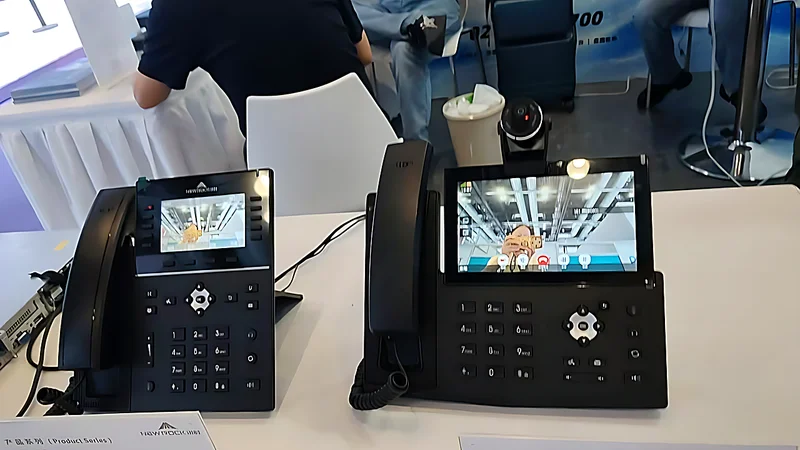
Figure 2: Networking diagram of the integrated private network combining satellite backhaul, terrestrial transmission and audio and video dispatching
Typical Application Scenarios
Emergency Command Private Network Application: Directly Setting Up a Dispatch Channel at a Network-Outage Site
In an emergency command private network, the disaster site is often in a no-public-network state. After deploying the IP multimedia video phone together with a satellite terminal, the site can set up a satellite backhaul audio and video dispatching channel: the command center can see the on-site picture in real time, call on-site personnel and issue instructions, free from dependence on whether the terrestrial public network is up or down.
Field Operations Communication: Satellite Backhaul Guarantees Communication in the Operations Area
For field operations such as electric power inspection, oil and gas exploration and water conservancy survey, the operations area often extends deep into uninhabited areas. Satellite backhaul ensures the channel connection between the operations area and the outside world; the IP multimedia video phone lets field personnel hold meetings, report positions and connect to the command center; and terrestrial transmission is responsible for carrying the local area network services within the work camp.
Satellite Internet Integration: The Converged Communication Terminal's Landing Point in Space-Ground Integration
For satellite internet integration scenarios, the IP multimedia video phone accesses the space-ground integrated network as an end terminal and can work in concert with various satellite communication services, providing industry customers with a unified, dispatchable audio and video service interface and supporting converged dispatching between the private network and the space-ground network.
How Do Satellite Backhaul Networking and Terrestrial Transmission Work Together to Form an Integrated Private Network?
Satellite backhaul and terrestrial transmission are not mutually exclusive; they work together according to on-site conditions: when the public network or an optical cable is available, traffic goes over terrestrial transmission, with satellite serving as a supplement and backup; where there is no public network coverage, satellite backhaul takes the primary channel, ensuring that audio and video dispatching is always available. This both keeps link cost under control and preserves communication during a network outage. In actual networking, besides the IP multimedia video phone, a satellite terminal and integrated service optical transmission and multimedia dispatching products are also required to work together, and the final configuration is subject to the project technical solution and the manufacturer's documentation.
Conclusion
This year's information and communication exhibition has brought space-ground integrated communication into the industry's view, and the converged communication terminal is exactly the key link that lands this direction on site. With its audio and video dispatching capability, the IP multimedia video phone provides interfacing with satellite backhaul and terrestrial transmission, offering networking options in environments without public network coverage for emergency command private networks, field operations communication and satellite internet integration; it is a converged communication terminal well worth attention in the construction of space-ground integrated private networks.